Installing a new heat pump: when it is time and how the swap works
Swapping a heat pump usually takes a couple of days. The preparation is what takes time. Here are the signs it is time, and how the installation works step by step.
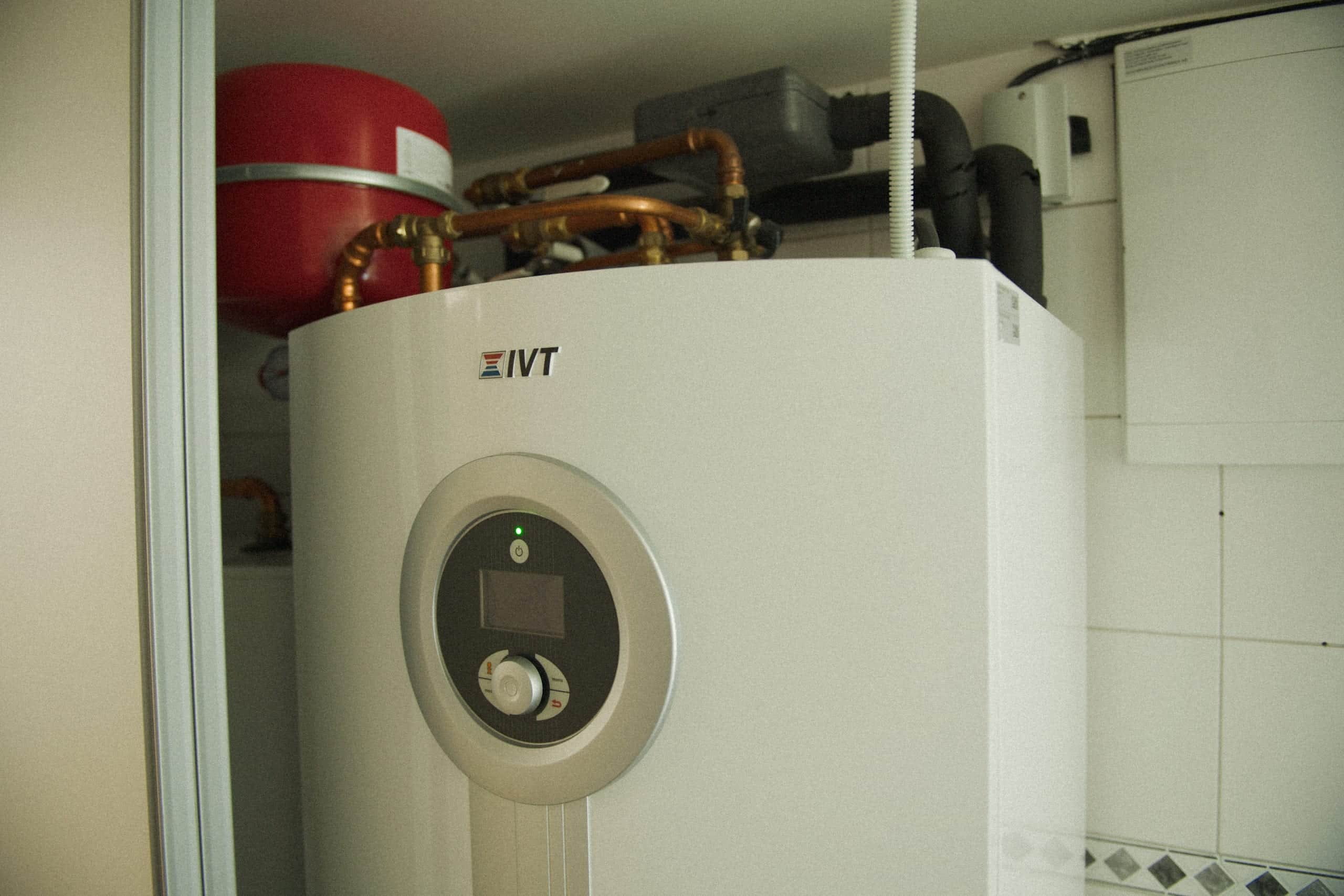
Installing a new heat pump usually takes a couple of days on site. The old one is disconnected, the new one is connected to the house's heating system, hot water and electricity, and then it is set up for the house. What decides how long the whole swap takes is the preparation, not the job itself.
Almost nobody replaces a heat pump for fun. You replace it because the old one has started making odd noises, uses more electricity than before or has broken down once too often. And then you want to know two things: is it really time, and how much hassle will it be?
Below we go through both.
When is it time to replace a heat pump?
The most common signs:
- The pump is more than ten years old.
- The bill rises although you live as usual.
- The compressor is louder than before, or stutters.
- A technician has been out more than once in two years.
Most heat pumps last 15 to 20 years, but efficiency starts to drop long before that. An older pump needs more electricity to deliver the same heat.
One of the signs does not have to mean a replacement. Several at once usually does. If you are unsure, we go through the trade-off in Repair or replace your heat pump? How to decide.
Which pump should replace the old one?
Usually the same type you have today, because then most of it is already in place. With ground-source heat the borehole can almost always be reused. With air-to-water the pipes are already in place, and the outdoor unit has a given spot.
But a replacement is also a good moment to think again. The house may have had extra insulation, an extension or more people living in it since the last pump was chosen. Then the new one should be sized for the house as it is today, not as it was. A pump that is too big costs money, and so does one that is too small.
How does the installation work?
1. Assessing the house. A technician goes through the heating system, the fuse board and where the pump will stand. This is also where the pump and its size are decided.
2. Ordering. The pump is ordered. If a new borehole is needed, it is planned at this step.
3. The old pump is disconnected. We take care of the old pump, haul it away and make sure it is recycled.
4. The new one is connected. The pump is connected to the borehole or the outdoor unit, to the house's radiators or underfloor heating and to the hot water. An electrician connects it to the fuse board.
5. Commissioning and start-up. The pump is set to the house's heating need, and the controls are connected so it can run by the electricity price.
How long does it take?
The installation on site usually takes a couple of days. At Elvy, where solar panels, a battery and a heat pump are installed at the same time, it takes 1 to 3 days for an ordinary house. From first contact to a system up and running usually takes one to three months.
What drags things out is almost never the installation itself. It is the grid connection for the solar panels, which your grid company handles. There are around 180 grid companies in Sweden, and some answer in a few weeks while others take two to four months. The whole Elvy installation is described in How the installation works, step by step.
What does it cost to replace a heat pump?
If you buy yourself, a replacement usually costs SEK 100,000 to 200,000 installed, after the ROT deduction. An air-to-water heat pump is SEK 130,000 to 190,000. Ground-source heat with an existing borehole is about SEK 100,000 to 160,000. We go through the prices in more detail in What does a heat pump cost in 2026?
What happens if the new pump breaks?
If you buy yourself, the manufacturer's warranty applies for a while, then the repairs are yours. With Elvy an operating guarantee covers the whole contract period. If the compressor breaks in year 8, it is our cost. What is covered is in Operating guarantee: what happens if something breaks.
The system is connected and monitored, so many faults are spotted before you notice anything yourself. Work that affects the heating gets extra priority in winter.
Replace your heat pump without paying for it
The most common reason to put off a replacement is not that people do not want one. It is the invoice. The problem is that waiting costs too. An old pump keeps using more electricity than it needs, every day, every winter.
With Elvy's energy subscription we replace the pump with no upfront payment. It is installed together with solar panels and a battery, controlled by the electricity price and part of a fixed monthly fee that stays fixed for 15 years and is adjusted only by KPI.
Want to know what it would be for your house? Fill in your details and we will work it out. It costs nothing and does not tie you to anything.
SEK 0
upfront, the pump is part of the monthly fee
15 years
fixed price, only KPI adjusts it once a year
1–3 days
installation on site for an ordinary house
Time for a new one? We take the old pump with us.
Keep reading More to explore
- Heat pump
What does a heat pump cost in 2026? Prices for ground-source and air-to-water
A new heat pump usually costs SEK 100,000 to 250,000 installed. Pump type, borehole and house decide. Here are the prices, and what the quote leaves out.
- Heat pump
A ground-source heat pump: price, borehole and installation
Ground-source heat stays even when the cold bites. If you already have a borehole, the switch costs a lot less. Here is what it costs and when it pays off.
- Heat pump
Air-to-water heat pumps: how they work, and do they suit your house?
An air-to-water heat pump heats radiators and hot water with outdoor air. It needs waterborne heating and loses output in hard frost. Here is what applies.
0+
Homeowners no longer manage their own power and heat. They decided they had better things to do.
Curious to do the same?