the words we use, minus the manual voice.
What the words mean in plain English
Heating, electricity and contracts have a language of their own. Here we explain the words we use on the site, short and straight. Come across a word you don't recognise and it is often linked here.
| air-to-air heat pump | A heat pump that takes heat from the outdoor air and blows it into the rooms as warm air, without connecting to any water system. |
|---|---|
| air-to-water heat pump | A heat pump that takes heat from the outdoor air and feeds it into the home's water-borne system (radiators or underfloor heating). |
| backup power | Electricity from something like a home battery that keeps the house running when the regular grid is down. |
| bidding zone | One of Sweden's four electricity pricing areas (SE1 to SE4); the spot price can differ between them. |
| borehole | A deep, narrow hole drilled into the bedrock for ground-source heat, where a collector picks up the ground's steady warmth. |
| building permit | A permit from the municipality to build or alter a building, sometimes required and sometimes not depending on what you do and where you live. |
| capacity charge | Part of the grid fee based on your highest demand peak (how much you draw at once), not just total kilowatt-hours. |
| commissioning and balancing | Setting up the heat pump and the system to suit the house, with the right flow temperature and flow rate, so it runs as it should. |
| compressor | The part of a heat pump that compresses the refrigerant and raises its temperature, so the heat can be passed on to the house. |
| defrost cycle | When an air-source heat pump's outdoor unit melts away the frost that has built up on it, which briefly lowers its efficiency. |
| demand peak | The moment when the most things in your home draw power at once, that is your highest power level during the measurement period. |
| direct electric heating | Heating where electricity is turned straight into heat in electric radiators, with no water-borne system, which makes it simple but expensive to run. |
| district heating | Heat produced centrally at a plant and delivered as hot water through pipes to the buildings across an area. |
| efficiency | How much heat a heat pump delivers per unit of electricity it uses; for heat pumps it is measured as COP and SCOP. |
| electric boiler | A boiler that heats the water in a water-borne heating system using electricity, common in older houses before heat pumps became standard. |
| electricity retailer | The company you buy your electricity from; it charges you for the power and carries the price risk on a fixed contract. |
| exhaust-air heat pump | A heat pump that recovers the heat in the air ventilated out of the house instead of letting it escape. |
| flow temperature | The temperature of the water the heat pump sends out to radiators and underfloor heating; the lower it can be kept, the more efficiently the pump runs. |
| green-technology tax deduction | A tax reduction for installing green technology such as solar panels, battery storage and charging points, deducted straight off the invoice so you don't have to claim it afterwards. |
| grid fee | The fee to your grid company for transporting the electricity to your home, separate from the price of the power itself. |
| grid operator | The grid company that owns the lines where you live and transports the electricity to your home; you cannot choose it yourself. |
| ground-source heat | Heat drawn from the bedrock: a collector in a borehole picks up the ground's stored warmth, which a heat pump lifts to a usable temperature. |
| household-electricity allowance | The amount of household electricity included in the subscription each year, sized from your previous consumption. Power for heating and hot water is not counted against it. |
| hydronic (water-borne) heating | A heating system that distributes heat using water, through radiators or underfloor heating. |
| inverter | Converts the solar panels' direct current into the alternating current the house and the grid actually use. |
| joint property association | An association of property owners who jointly own and manage something shared between several homes, such as roads, water or green spaces. |
| main fuse | The fuse that caps how much power your connection can draw at once, measured in amperes. |
| markup | The amount an electricity retailer adds on top of the purchase price of the power as its own margin. |
| micro-production | The term for electricity produced on a small scale, such as by solar panels on a house roof. |
| operating lease | An arrangement where the user pays a fee to use equipment while the provider owns it, maintains it and carries the risk, instead of buying it outright. |
| outdoor unit | The part of an air-source heat pump that sits outside and draws heat from the outdoor air. |
| power (kW) | How much electricity is used at a given moment, measured in kilowatts; distinct from energy, which is consumption over time. |
| power exchange | The marketplace where electricity is traded between producers and retailers, and where the spot price is set hour by hour. |
| self-sufficiency rate | The share of the house's electricity use that is covered by power you produce yourself rather than buy. |
| sizing | Working out what size of heat pump a house needs, so it ends up neither too big nor too small for the heating demand. |
| spot price | The variable hourly price on the Nordic power exchange, changing hour by hour with supply and demand. |
| supplementary electric heat | The extra electric heat a heat pump switches on during the coldest days, when the pump alone cannot cover the house's heating demand. |
| surplus electricity | The solar electricity you produce but do not use right away, which instead flows out onto the grid. |
| turnkey contract | A contract form where a single provider is responsible for both design and execution, so you deal with one party instead of coordinating several. |
Read more The articles behind the words
- About Elvy
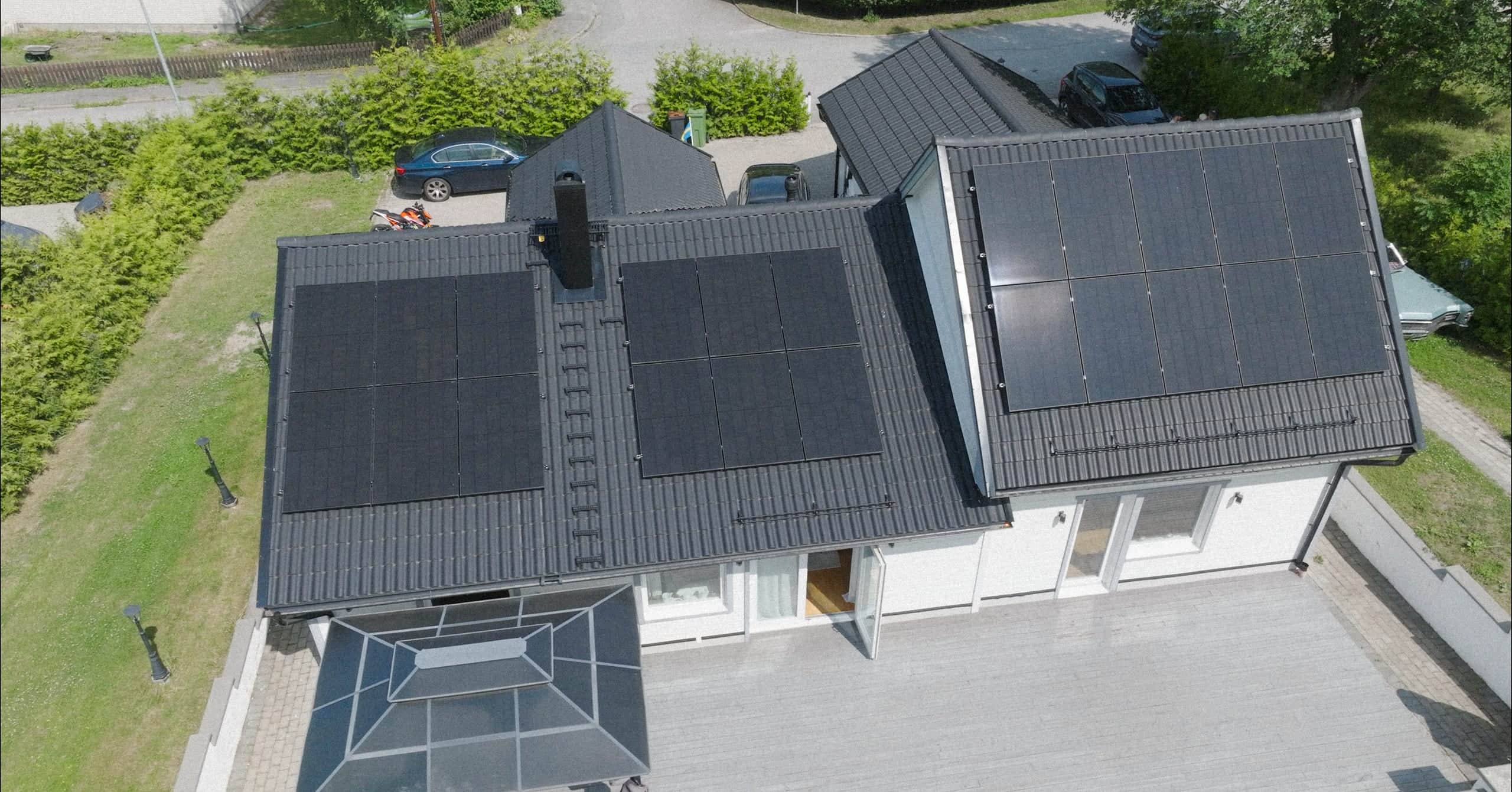
What is an energy subscription?
An energy subscription is a fixed monthly price for a home's power and heat. Only the CPI moves the price. Elvy owns and runs the equipment, no upfront cost.
- Electricity prices
What is a spot price and how is it set?
The spot price is electricity's market price hour by hour, set on the Nord Pool exchange. Every afternoon, tomorrow's 24 prices are set by supply and demand.
- Heat pump
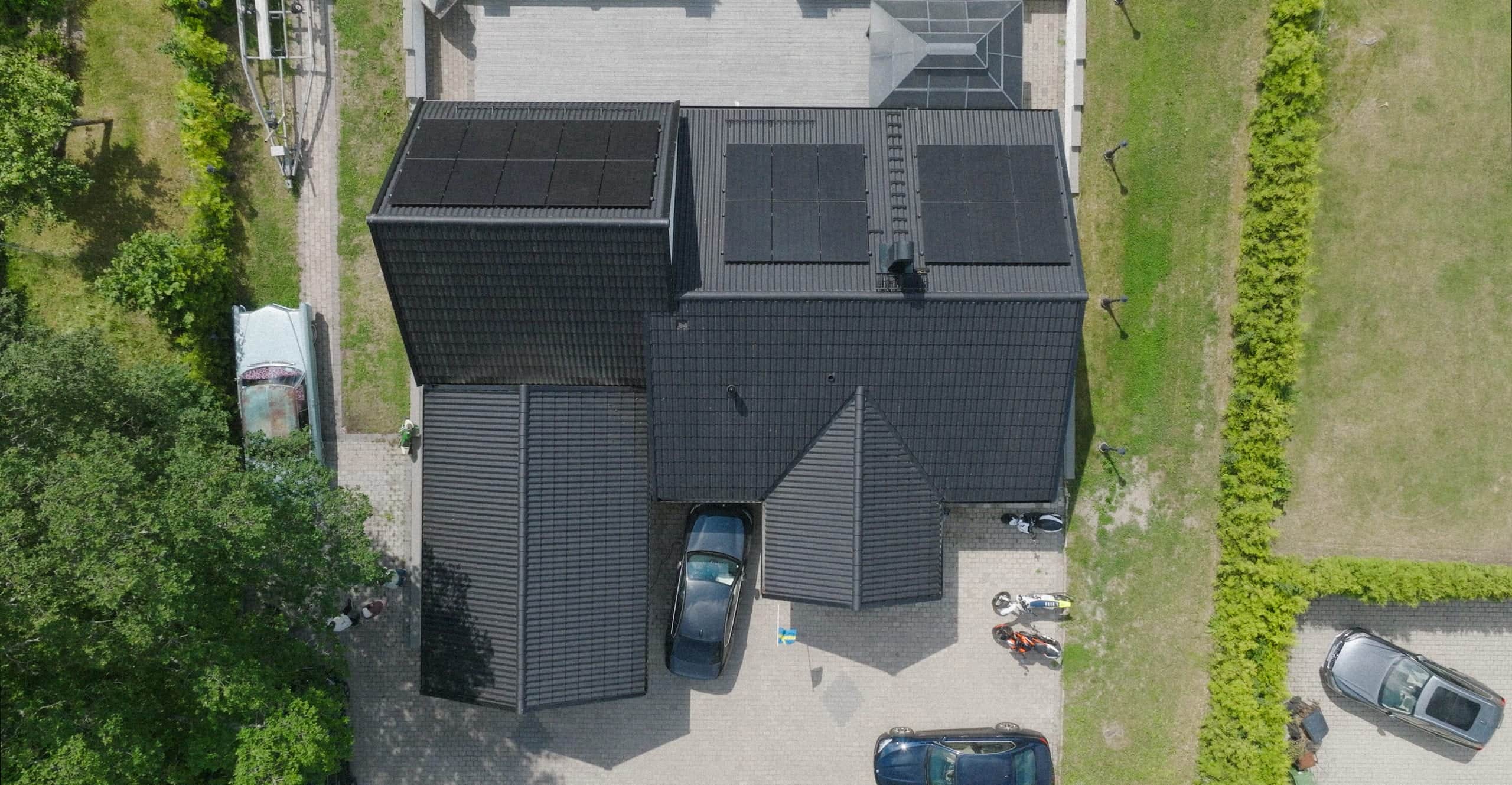
What are COP and SCOP? How to read a heat pump's spec
COP and SCOP measure a heat pump's efficiency. COP is heat per unit of power now, COP 3 gives three parts heat per part power. SCOP is the season average.
- Electricity prices
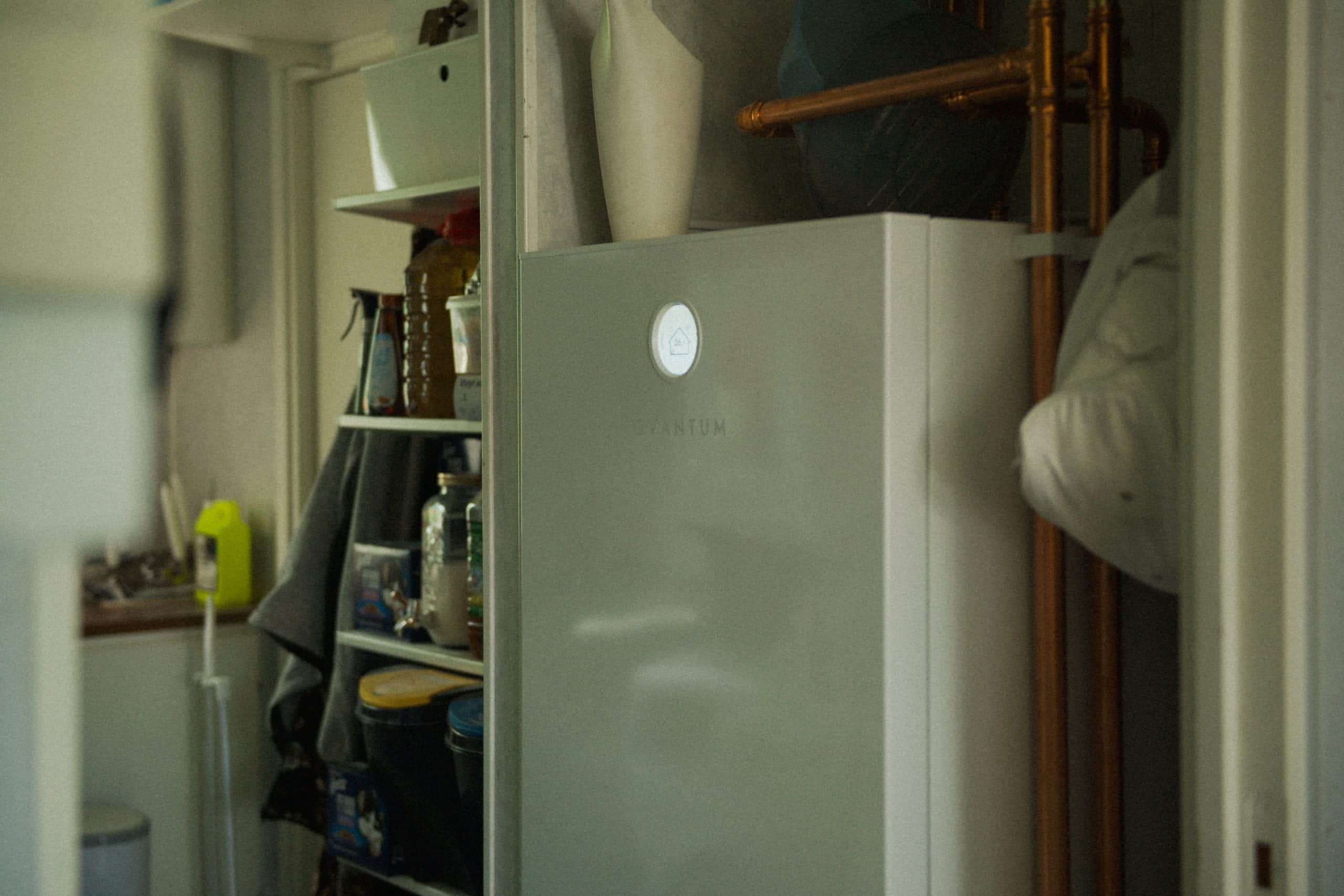
Your electricity bill isn't just the electricity
The bill is made up of spot price, markup, grid fee, energy tax and VAT. Only a small part moves with the market, the rest is fixed charges and tax.

- Electricity prices
Electricity areas SE1-SE4: which one am I in, and why?
An electricity area is one of Sweden's four price regions, SE1-SE4. The south usually pays more than the north, because it uses most where it makes least.
- Electricity prices
What is a power tariff and how does it affect your bill?
A power tariff is part of your grid fee that charges you for your highest power peak, not just the kilowatt-hours you use. A home battery can shave the peaks.
- Solar
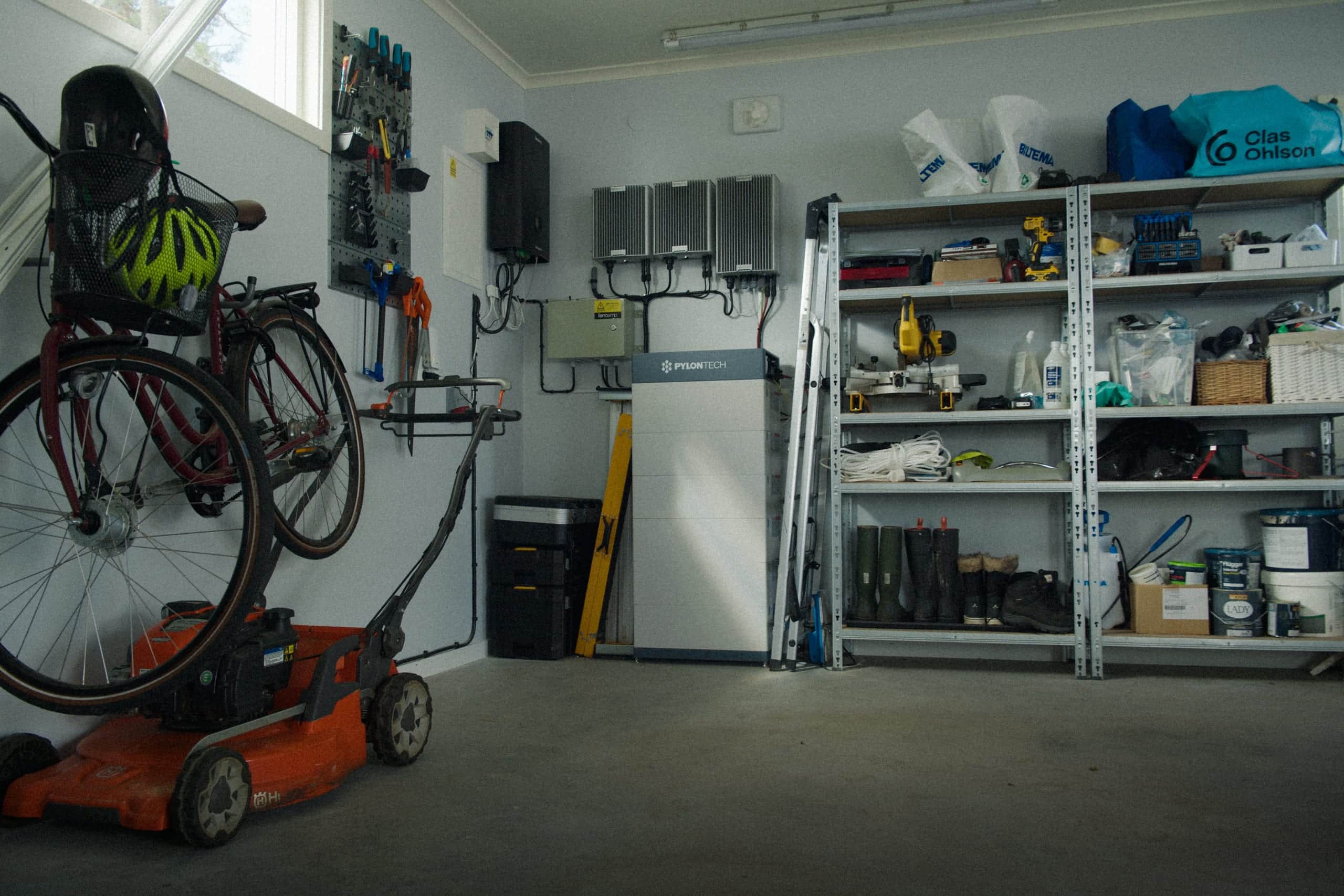
Green deduction for solar and battery on a subscription?
The green deduction doesn't apply in a subscription: Elvy owns the kit and you buy nothing. And it's no loss, there's no investment left to lower.
- About Elvy
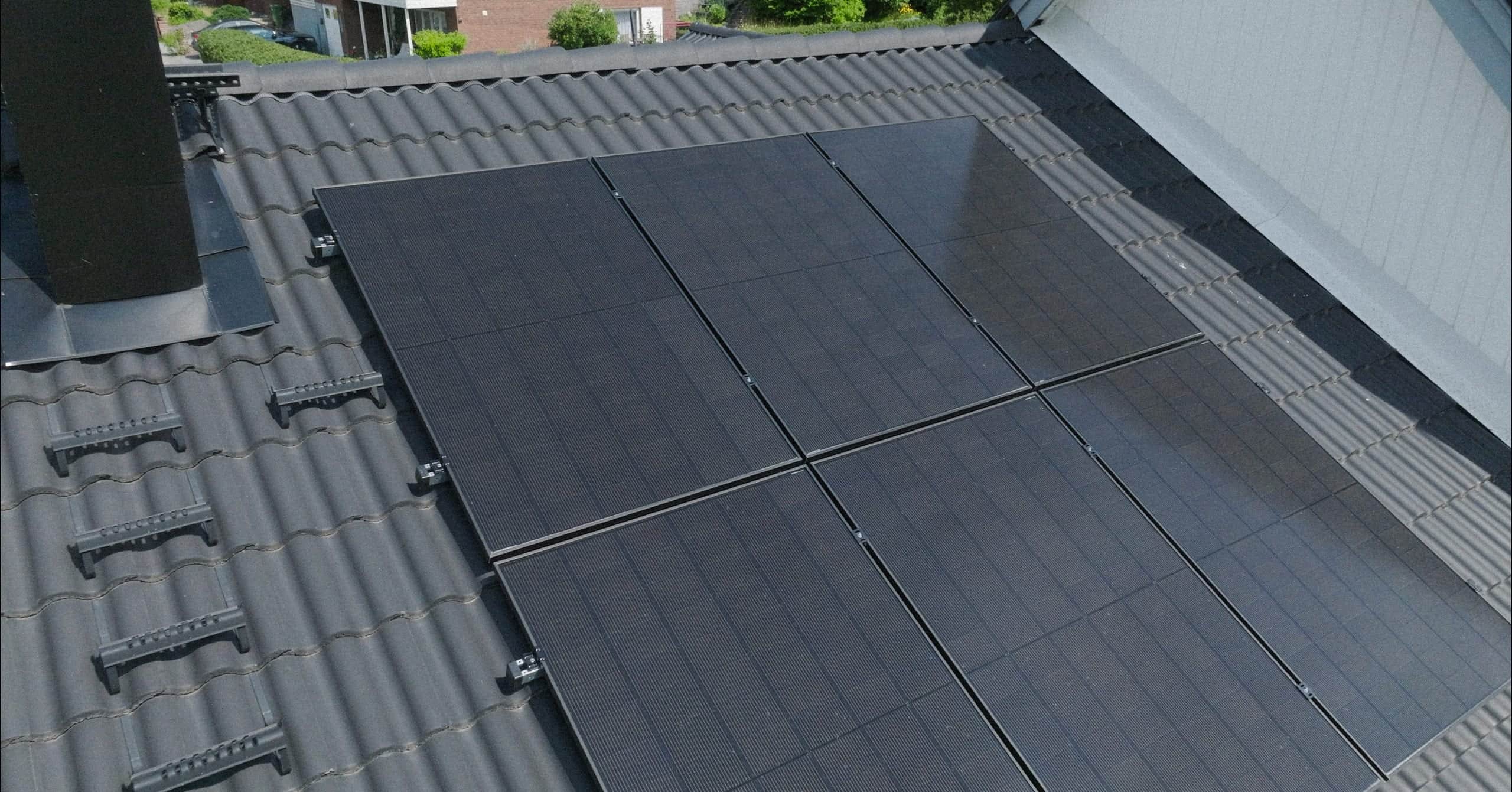
Own or lease? It comes down to who fixes it when it breaks
Own the kit and you take on the capital and the risk. Lease it, as in Elvy's subscription, and Elvy owns the hardware and handles upkeep for a fixed fee.

- Solar
Selling surplus solar: what's it worth without the credit?
The 60 öre per kWh tax reduction was scrapped on 1 January 2026. Surplus is now worth what a buyer pays, not a tax credit.
0+
Homeowners no longer manage their own electricity and heating. They worked out they had better things to do.
Curious to do the same?