What does a heat pump cost in 2026? Prices for ground-source and air-to-water
A new heat pump usually costs SEK 100,000 to 250,000 installed. The pump type, the borehole and the house decide where you land. Here are the prices, and what the quote leaves out.
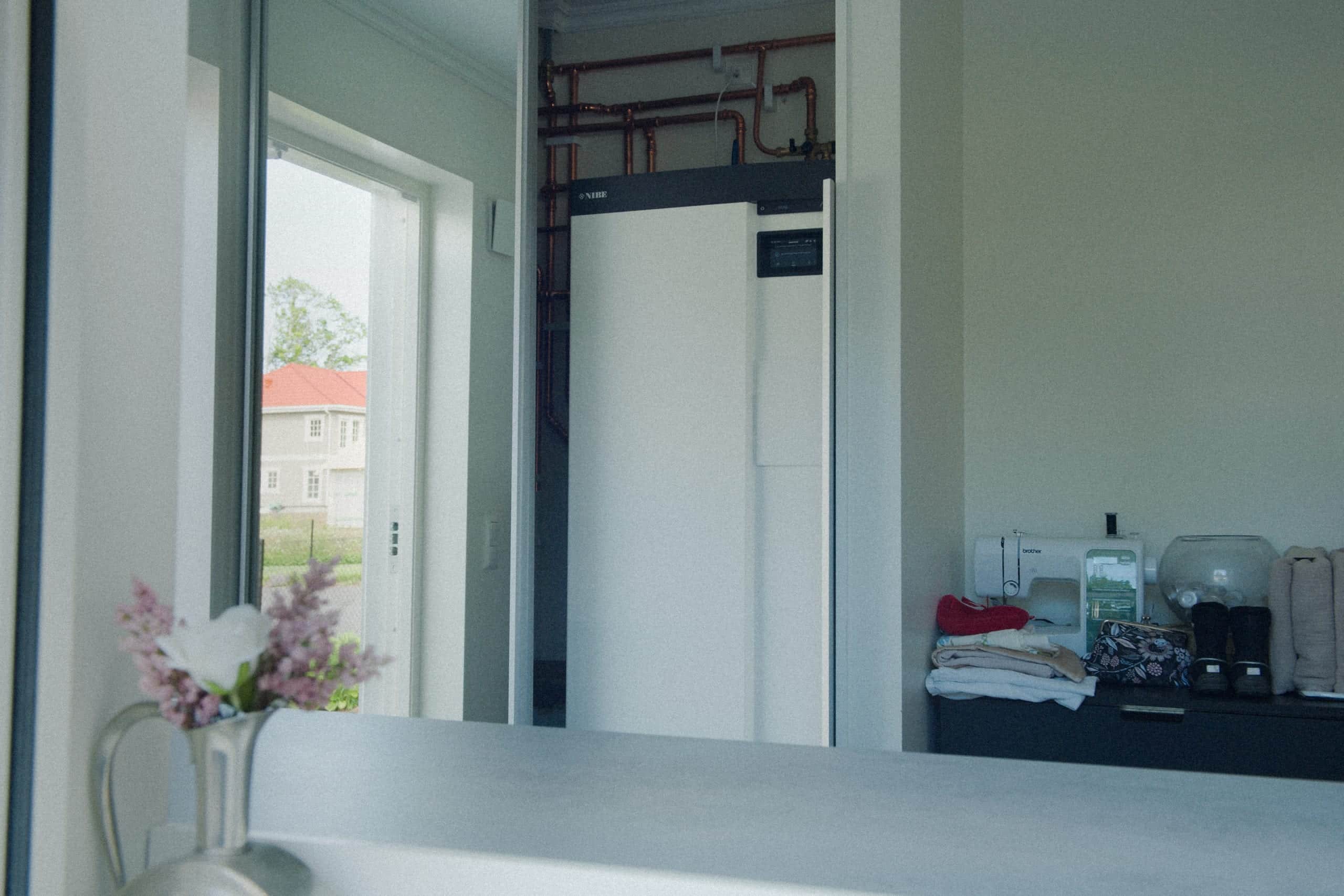
An air-to-water heat pump usually costs SEK 130,000 to 190,000 installed, after the ROT deduction. Ground-source heat costs SEK 100,000 to 160,000 if an existing borehole can be reused, and SEK 180,000 to 250,000 if you need to drill a new one. That is what it costs to buy a heat pump. What it costs to have one is a different, bigger number.
Most people looking up a heat pump price want something to plan around. You get that here. But a quote only shows day one. Servicing, repairs and the electricity the pump uses over 15 years are not on it, and that is where most of the cost sits.
Below we go through what ground-source and air-to-water cost to buy, what pushes the price up, what the quote usually misses, and what it costs to let someone else own the pump.
What do ground-source and air-to-water cost in 2026?
Approximate market prices for a turnkey contract, meaning the pump and the installation, after the ROT deduction:
| Pump type | Price after ROT |
|---|---|
| Air-to-water | SEK 130,000–190,000 |
| Ground-source, existing borehole | SEK 100,000–160,000 |
| Ground-source, new borehole | SEK 180,000–250,000 |
Air-to-water needs no drilling, but the house needs waterborne heating. For ground-source heat the drilling is the big item, so a borehole that can be reused brings the price down a lot.
The ranges are wide for a reason. Two houses with the same pump can get quotes tens of thousands of kronor apart, depending on what is already in place and how much work the installation takes. Many people are surprised that ground-source heat with an existing borehole can be cheaper than air-to-water. It is the borehole that is expensive, not the pump.
Which type suits your house we compare in Ground-source or air-to-water? How to choose.
What makes the price high or low?
Four things, mainly.
The borehole. If there is a borehole that can be reused, the most expensive part of a ground-source job disappears. If a new one has to be drilled, often 100 to 200 metres down, the drilling sets the price. More on that in A ground-source heat pump for your house.
The house's heating need. A large or poorly insulated house needs a bigger pump than a small, tight one. Bigger pump, higher price. And a pump that is too big costs too, because it runs in short cycles and wears out faster.
The heating system. Both air-to-water and ground-source need waterborne heating, meaning radiators or underfloor heating fed by water. If the house does not have it, converting adds a cost.
The installation. Pipework, electrical work, holes through walls and commissioning can cost about as much as the pump itself. That is why the price of a pump in a web shop says so little about what you actually pay.
What is not on the quote?
The quote shows what it costs to get the pump in place. It does not show what it costs to have it for 15 years.
Servicing. An annual check, filter changes and a refrigerant check. A small item, but it comes every year.
Repairs. Once the warranty has run out, they are your cost. A major repair, such as a new compressor, can come to SEK 15,000 to 40,000.
Electricity. The biggest item of all. A heat pump uses electricity day and night, all year, and over 15 years the electricity costs more than the pump and the installation. Two identical pumps can have completely different running costs depending on how they are controlled. A pump that works hardest when electricity is most expensive costs more, year after year.
The capital. Pay cash and the money sits in the pump instead of in the bank. Borrow and it costs interest from the first month.
What happens when the pump gets old?
The last years are usually the most expensive. A heat pump loses efficiency over time. It makes less heat per kilowatt-hour than when it was new, so it uses more electricity for the same 21 degrees in the hallway. At about the same time the warranty runs out, and that is when the expensive parts tend to fail.
The curve slopes the wrong way. The pump gets less efficient just as it starts needing repairs. The cheapest heat pump is rarely the one that was cheapest to buy.
What does a heat pump cost per month?
It depends on how you pay. If you borrow, for example by extending the mortgage, the interest hits from the first month and the repayments come on top. If you pay cash, no interest shows on the statement, but the money in the pump earns nothing anywhere else. Either way you also need to put money aside for servicing and for the repair that comes when you least want it.
That is why the monthly cost of owning a pump is almost always higher than it looks in the sums. In an energy subscription it is one fixed amount a month, and all of that is included.
Is it worth waiting for a sale?
Rarely. A sale lowers the purchase price, and that is already the smallest part of the sums. A cheaper pump that is the wrong size, or has a worse seasonal efficiency (SCOP), can cost more every winter than the discount gave you. And while you wait, the old pump keeps using more electricity than it needs to.
Compare the total cost over 15 years rather than today's discount. Ask how the pump is sized for your house, and what servicing and repairs cost once the warranty has run out.
What does a heat pump cost with Elvy?
With us the pump has no price of its own. It is part of a fixed monthly fee together with solar panels, a battery, installation, servicing and repairs. The fee is worked out from an energy analysis of your house, stays fixed for 15 years and is adjusted only by KPI (the Swedish CPI) once a year. It does not follow the spot price. No upfront payment and no loan. If a new borehole is needed for ground-source heat, you pay for the drilling.
There is no list price, not even a from-price, and that is on purpose. Two houses that look the same from the outside can need completely different pumps. A number before we have seen the house would be a guess.
| Buying yourself | With Elvy | |
|---|---|---|
| The investment | Buying yourself The whole amount at once | With Elvy SEK 0, part of the monthly fee |
| Choosing the pump | Buying yourself You compare quotes and data sheets | With Elvy The energy analysis decides, we carry the responsibility |
| Servicing and repairs | Buying yourself Your cost, your responsibility | With Elvy Included for 15 years |
| When it breaks | Buying yourself You ring round and pay | With Elvy Our problem, we own it |
| Per month | Buying yourself Swings with the electricity price | With Elvy Fixed fee, adjusted by KPI |
How do I get a quote for my house?
You fill in your address, roughly how much electricity you use and how you heat the house today. It takes a few minutes. An adviser gets in touch, goes through the house and your usage, and works out what an energy subscription would cost per month compared with today. Then a technician visits and checks the conditions before anything is ordered.
It costs nothing and you are not tied to anything. If you want to know what it would be for your house, the analysis answers that, not a table.
SEK 0
upfront, the pump is part of the monthly fee
15 years
fixed price, only KPI adjusts it once a year
1–3 days
installation on site for an ordinary house
What would it cost for your house? Your address is enough to start.
Keep reading More to explore
- Heat pump
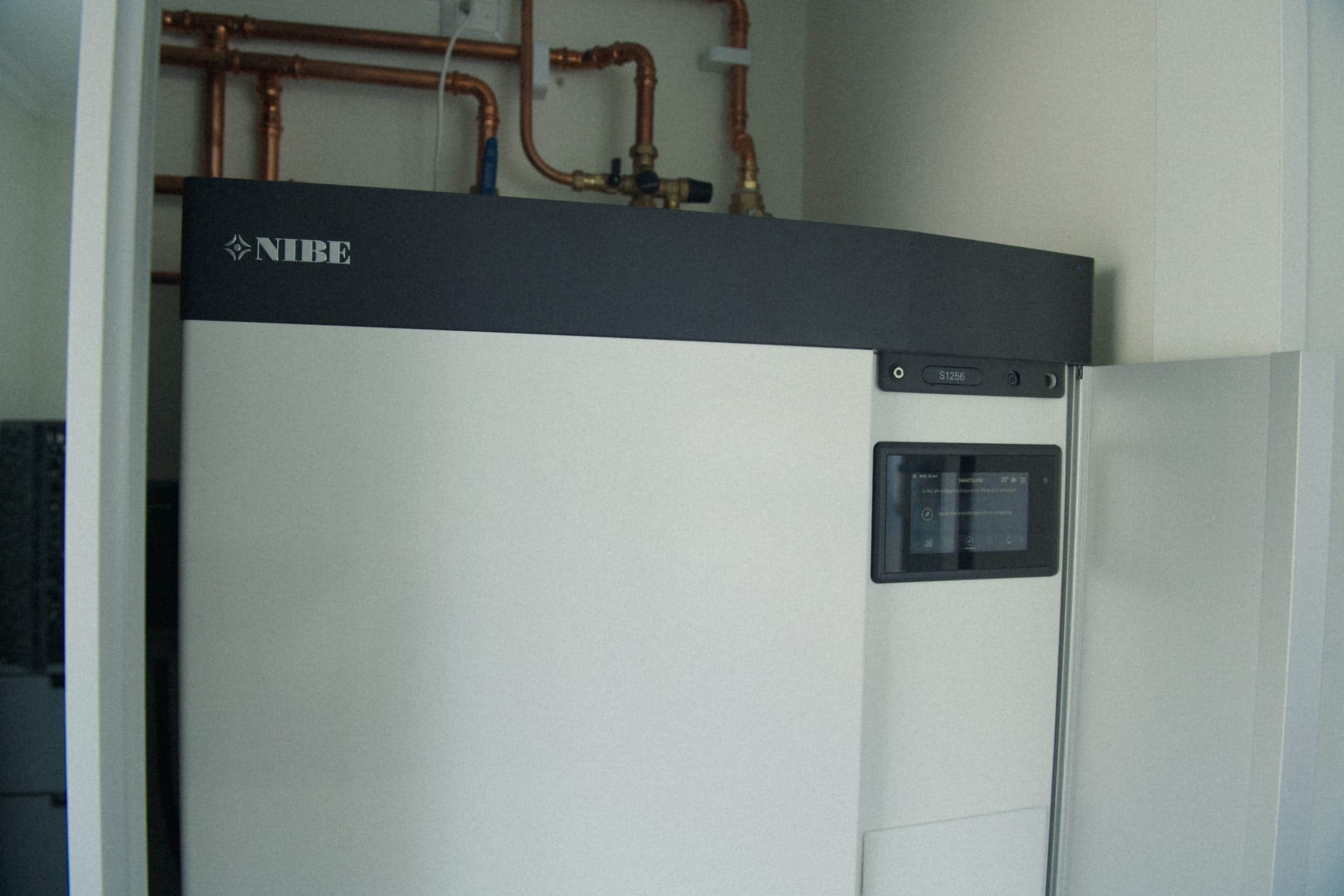
A ground-source heat pump: price, borehole and installation
Ground-source heat stays even when the cold bites. If you already have a borehole, the switch costs a lot less. Here is what it costs and when it pays off.
- Heat pump
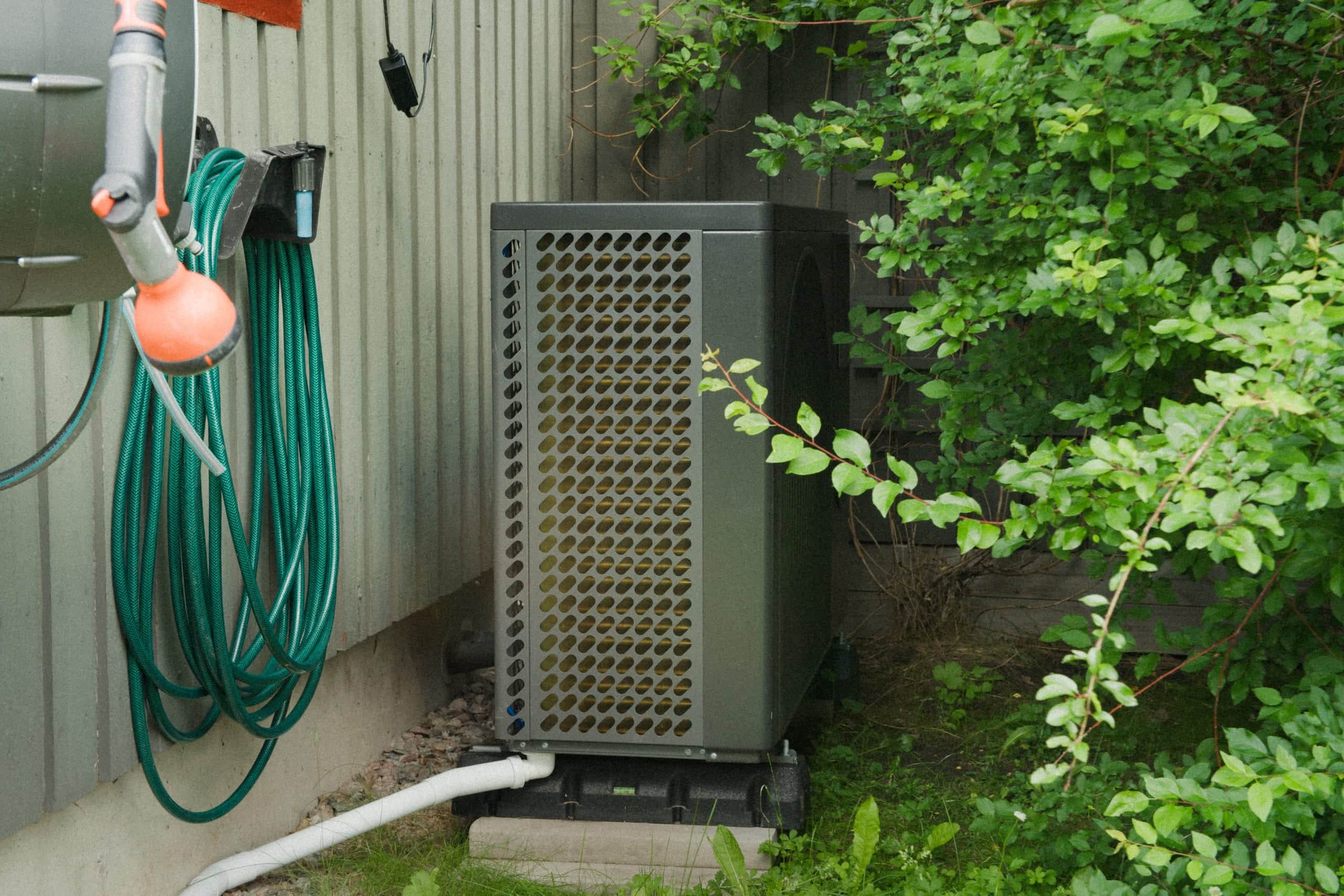
Air-to-water heat pumps: how they work, and do they suit your house?
An air-to-water heat pump heats radiators and hot water with outdoor air. It needs waterborne heating and loses output in hard frost. Here is what applies.
- Heat pump
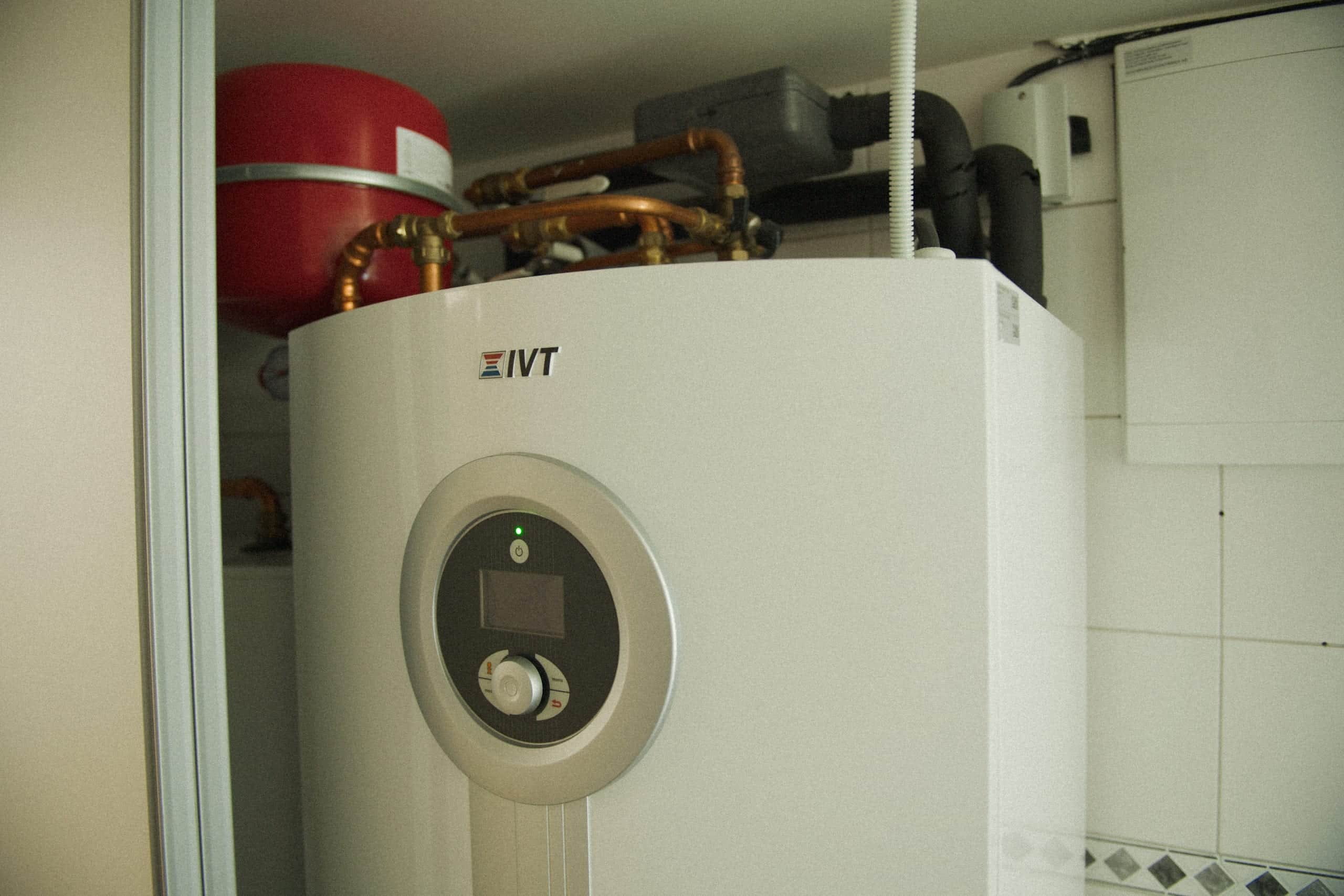
Installing a new heat pump: when it is time and how the swap works
Swapping a heat pump usually takes a couple of days. The preparation is what takes time. Here are the signs it is time, and how the installation works.
0+
Homeowners no longer manage their own power and heat. They decided they had better things to do.
Curious to do the same?