Repair or replace your heat pump? How to decide
Repair a contained fault on a young pump. Replace one on its way out that draws more electricity every winter. Weigh the repair against the years left.
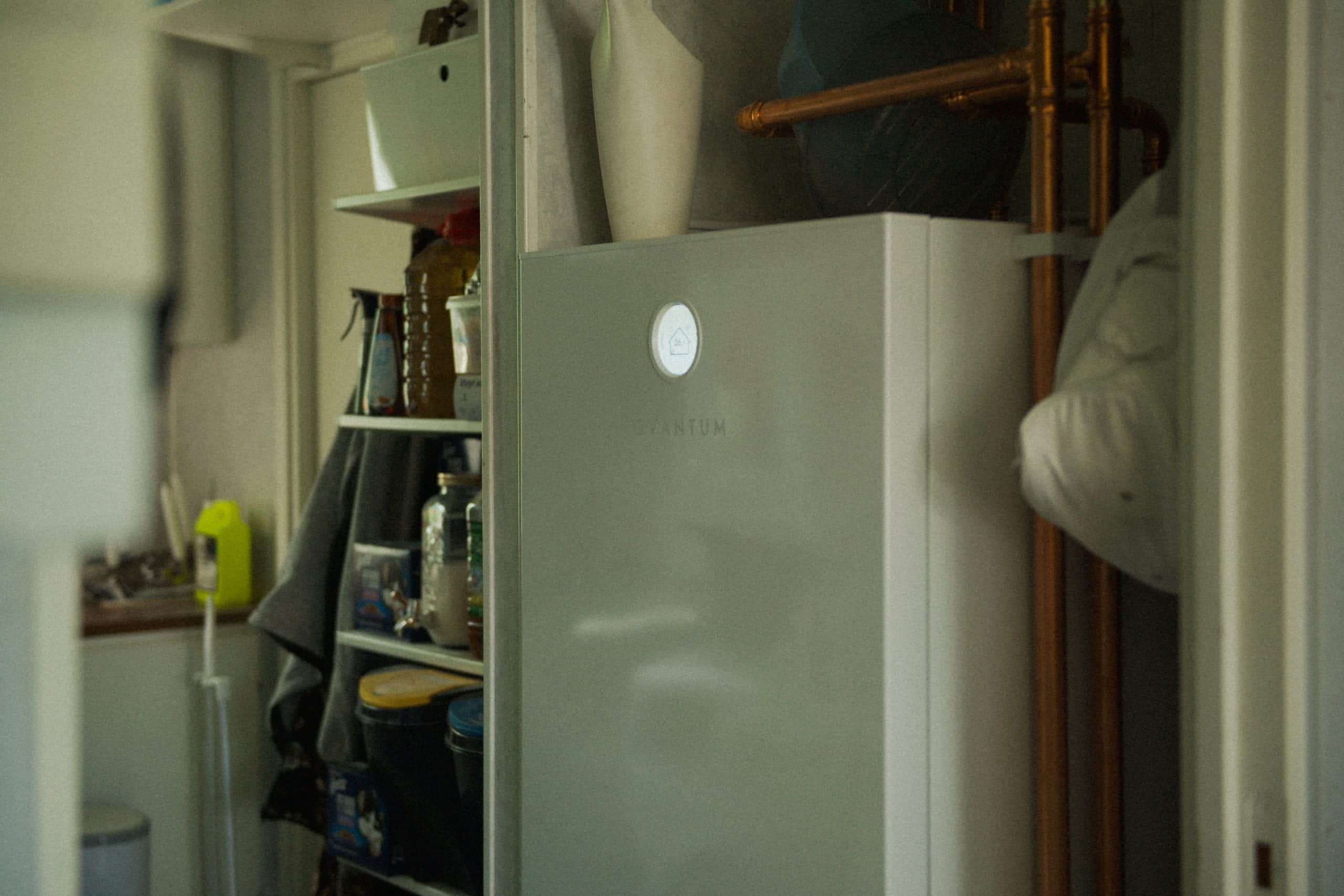
Repair when the fault is contained and the pump is otherwise young and healthy. Replace when the pump is nearing the end of its life, when the repairs start coming closer together, or when it has lost so much efficiency that it draws more electricity every winter. Weigh the price of the repair against the years the pump has left, not against doing nothing.
A cheap fix on a dying pump is still money into a dying pump. And while you hesitate, an old pump keeps drawing more electricity than it needs, every day. Below we cover when it's worth repairing, when it's time to replace, how you weigh the two against each other, and what the hesitation itself costs.
When is it worth repairing?
When the fault is contained and the pump is otherwise healthy. A capacitor, a sensor, a fan motor or a reversing valve are single parts you can swap without touching the rest of the pump. If the pump ran well last winter and one thing broke, fix that one thing. The repair then buys many more winters, and those are cheap winters next to a whole new pump.
The rule of thumb is that a small repair on a pump with most of its life left is nearly always worth the money. The compressor is the exception. It's the pump's expensive heart, and when that's what goes, the fix is rarely small any more.
When is it time to replace?
When the pump is nearing the end of its life, often somewhere around 15 to 20 years, and the faults start coming closer together. If you've had a technician out more than once in the last two years, you're no longer repairing a pump, you're keeping a dying one alive. The next fault will come, and what you've already spent gets hard to earn back.
The other sign doesn't show up as a breakdown but on the bill. A pump that has lost efficiency fails slowly: it works, but it draws more electricity for the same heat, every cold day. When the compressor is on its way out or the pump limps through winter on backup electric heat, it's usually cheaper to replace than to keep repairing.
How do I weigh the repair against what's left?
Compare the price of the repair with the years the pump has left, not with putting the decision off. The same fix means different things on a young pump and an old one. On a five-year-old pump it buys many winters. On a tired fourteen-year-old it maybe buys one, and then you're standing there again with the next quote.
The honest question isn't whether the repair is cheap in itself, but what it buys. A cheap repair on a pump on its way out is still money into a pump on its way out. A dearer repair on a pump with many years left may well be the better deal. Age and efficiency weigh more than the repair's price tag on its own.
What does the hesitation cost?
More than you'd think, and not where you're looking. While you weigh it back and forth, an old, inefficient pump keeps drawing more electricity than it needs, every day and every winter. The lost efficiency is a slow leak you pay whether you've decided or not.
The cost doesn't turn up as a repair bill, it turns up on the electricity bill. So not deciding is a decision too, and rarely the cheapest one. The longer a pump that ought to be replaced is left running, the more you pay to avoid making the call.
Who makes the call with Elvy?
With Elvy the pump is ours. Repair or replace is our decision and our cost, not yours. If it's cheaper to fix it we fix it, if it's smarter to swap it we swap it. You never stand with a quote in your hand working out whether it's worth it.
You pay a fixed monthly cost and have a warm house. If something breaks it's our job to sort out, and if the pump has run its course it's us who takes that investment, not you. The whole hesitation this article is about simply never becomes yours to carry.
Keep reading More to explore
- Heat pump
What does a heat pump really cost? The 15-year total
The purchase price is the smallest part. Over 15 years the cost is installation, service, repairs and above all electricity. It's the biggest, worst at the end.
- Heat pump
What are COP and SCOP? How to read a heat pump's spec
COP and SCOP measure a heat pump's efficiency. COP is heat per unit of power now, COP 3 gives three parts heat per part power. SCOP is the season average.
- Heat pump
What does a new heat pump cost per month?
A new heat pump rarely costs what you think. Often more than you budgeted for. Here we break down the real monthly cost, whatever way you finance the switch.
0+
Homeowners no longer manage their own power and heat. They decided they had better things to do.
Curious to do the same?