How the installation works, step by step
First you see your price. Then we may call, or send the contract if all looks good. Then we install. Here is the timeline and where it tends to stall.

In short
The installation itself takes 1 to 3 days. What drags it out is the grid connection, which sits with your grid company. Before installation a technician visits your home for an assessment. The whole way to a running system usually takes one to three months, and under a month at best.
First you see your price. Then we may call, or send the contract straight away if everything looks good. After that we make a technical assessment on site, order the grid connection and install. The installation itself takes 1–3 days. What stretches the timeline is almost always the grid connection, which sits with your grid operator.
How the process works, from the first call to solar panels, battery and heat pump running, is a fair thing to want to know in advance. Letting a company into your home for an installation that has to work for 15 years is not a decision made in passing.
This article walks through the whole process step by step. What happens, who does what, and where in the process it often takes a little longer than you'd hoped.
Step 1: You answer a few questions
It all starts with a few questions. You give your address, approximate electricity use and the type of heating you have today. It takes a few minutes and needs no technical knowledge. The answers let you see your price for your own house.
You commit to nothing at this step. You just see what it would cost.
Step 2: You see your price, then we may call
Once you have answered the questions you see your price, and we email you the link. Then we may call, and you decide whether to pick up. The call is not a classic pushy sales call but a walk-through of your house and your energy use. The adviser goes through your current consumption and sizes the solution. If everything looks good and we have no questions, we may send the contract straight away instead.
If the timing is right, many customers go from first contact to signed agreement in about a week. Others need more time, compare with other options or want to talk it through with a partner. Both are normal. What matters is that you understand what you're saying yes to before you sign.
What's included in the monthly cost?
That question always comes up, and the answer is worth being clear about. The fixed monthly cost includes the equipment (solar panels, battery and heat pump), the installation itself, a full operating guarantee for the entire contract term and ongoing optimisation of the system via smart control. If something breaks, it's Elvy's responsibility to fix it at no extra cost.
So what you're paying for isn't the hardware. It's that your heating and electricity generation should work, year after year, without you having to think about it.
Step 3: Site visit and technical assessment
Before the installation can be planned, someone actually needs to see the house. A technician comes to your home and goes through the roof, façade, existing heating system, electrical panel and any challenges in the installation environment. The visit usually takes a couple of hours.
This step lets the price you have seen be refined. Sometimes the visit shows that the number of solar panels can be adjusted, or that the placement of the heat pump's outdoor unit needs some thought. In rare cases, conditions come to light that affect the setup more significantly, and then you get an updated price before anything is ordered.
Step 4: Ordering and grid connection
Once the agreement is signed and the site visit is done, the equipment is ordered. In parallel, an application for grid connection is sent to your local grid owner. This is often the phase where the timeline starts to vary the most, and it's worth explaining why.
There are around 180 grid companies in Sweden, and their processing times differ enormously. Some handle an application in a few weeks. Others can take two to four months. In some cases, the grid company requires the local grid to be reinforced before connection can be made. That's a process outside Elvy's control and one that unfortunately can extend the overall timeline.
This part accounts for most of the variation in installation time that customers experience. It's not the installation itself that takes a long time. It's waiting for an external party to say yes.
Step 5: Installation (usually in 1–3 days)
Once the equipment has been delivered and the grid connection is ready, the installation itself is booked. For a typical house, the work takes 1–3 days across solar panels, battery, inverter and heat pump. Everything is installed by certified technicians, and you need to be home for certain parts but not the whole time.
Internally, Elvy sets a clear limit on how long the installation may take from when the process starts. It acts as a cap on what the customer should have to put up with, and it governs how the project is prioritised.
Step 6: Commissioning and optimisation
Once everything is in place, the system is started and connected to Elvy's software for automatic energy optimisation. It controls generation, storage and consumption based on the electricity price, the weather forecast and how your home actually behaves. The optimisation happens continuously and requires nothing from you.
From this point on, you're up and running. The heating takes care of itself, the solar panels produce electricity that's stored or used directly, and you pay your fixed monthly cost. If something should break, you call Elvy. Not an installer, an insurance company or a service provider.
How long does the whole process take?
From expression of interest to a commissioned system, it takes one to three months in most cases. At best, where the grid application goes quickly and no extra steps are added, it can land at under a month. In cases where the grid company requires longer processing or grid reinforcement, it can drag out longer than that.
What we can control internally, we try to keep as short as possible. What we don't control, above all the lead time at the grid owner, we're open about from the start so you know what to expect.
The process is straightforward. It consists of a call, a site visit, a little waiting on external parties and a few days of installation. What separates an energy subscription from an ordinary purchase isn't the process itself, but who bears the responsibility afterwards. At Elvy, we're the ones who own the equipment, optimise it and fix faults if they arise. That's why it's called a subscription and not an invoice.
Want to see what an energy subscription would cost for your particular home? Answer a few questions about your consumption and current heating, and you see your price.
What would it cost for your house? Answer the questions and you'll see your price in about five minutes. Seeing your price is free and does not commit you.
Keep reading More to explore
- About Elvy
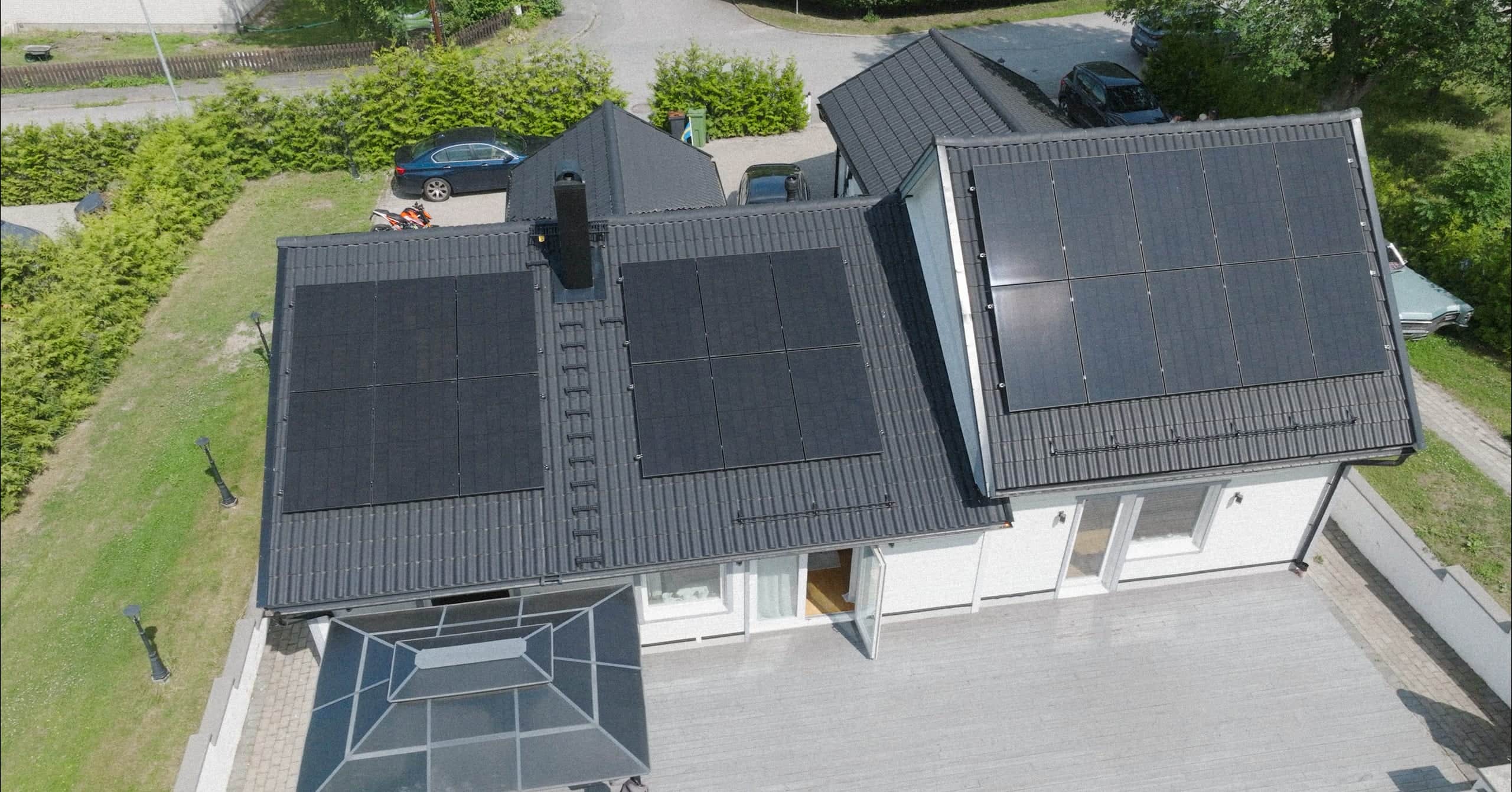
An energy subscription is a fixed monthly price for a home's power and heat. Only the CPI moves the price. Elvy owns and runs the equipment, no upfront cost.
- About Elvy
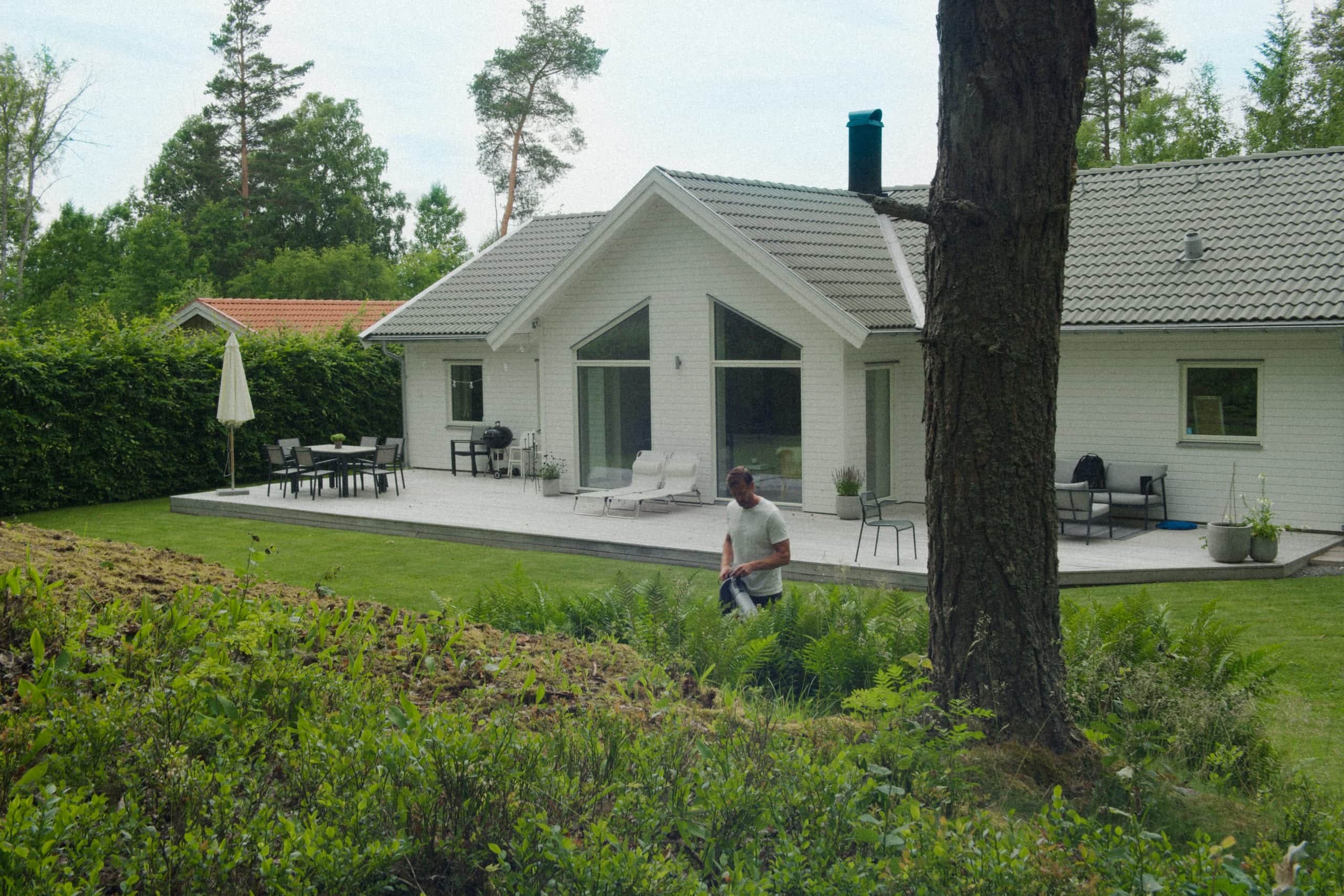
If you sell the house, you're not stuck. The subscription is transferable and passes to the next owner as part of the purchase. Or you buy the system out.
- About Elvy
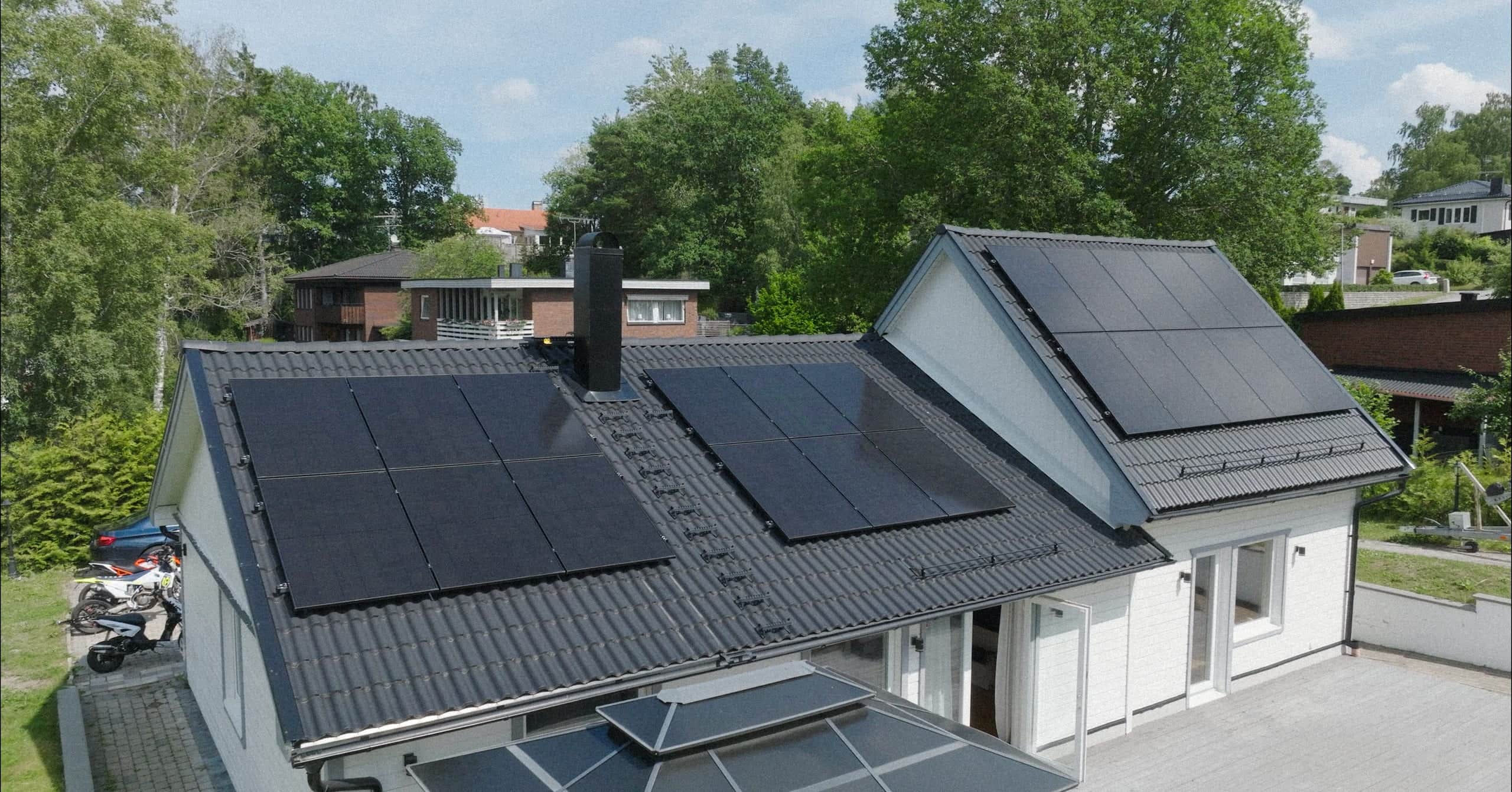
Yes, a group of neighbouring homeowners can get an energy subscription together. Installing several homes at once is more efficient and can lower the price.
0+
Stop guessing what it would cost.
Enter your address and you see your price in about five minutes. Seeing your price is free and does not commit you.