A ground-source heat pump: price, borehole and installation
Ground-source heat stays even when the cold bites. If you already have a borehole, the switch costs a lot less. Here is what ground-source heat costs, how the installation works and when it pays off.
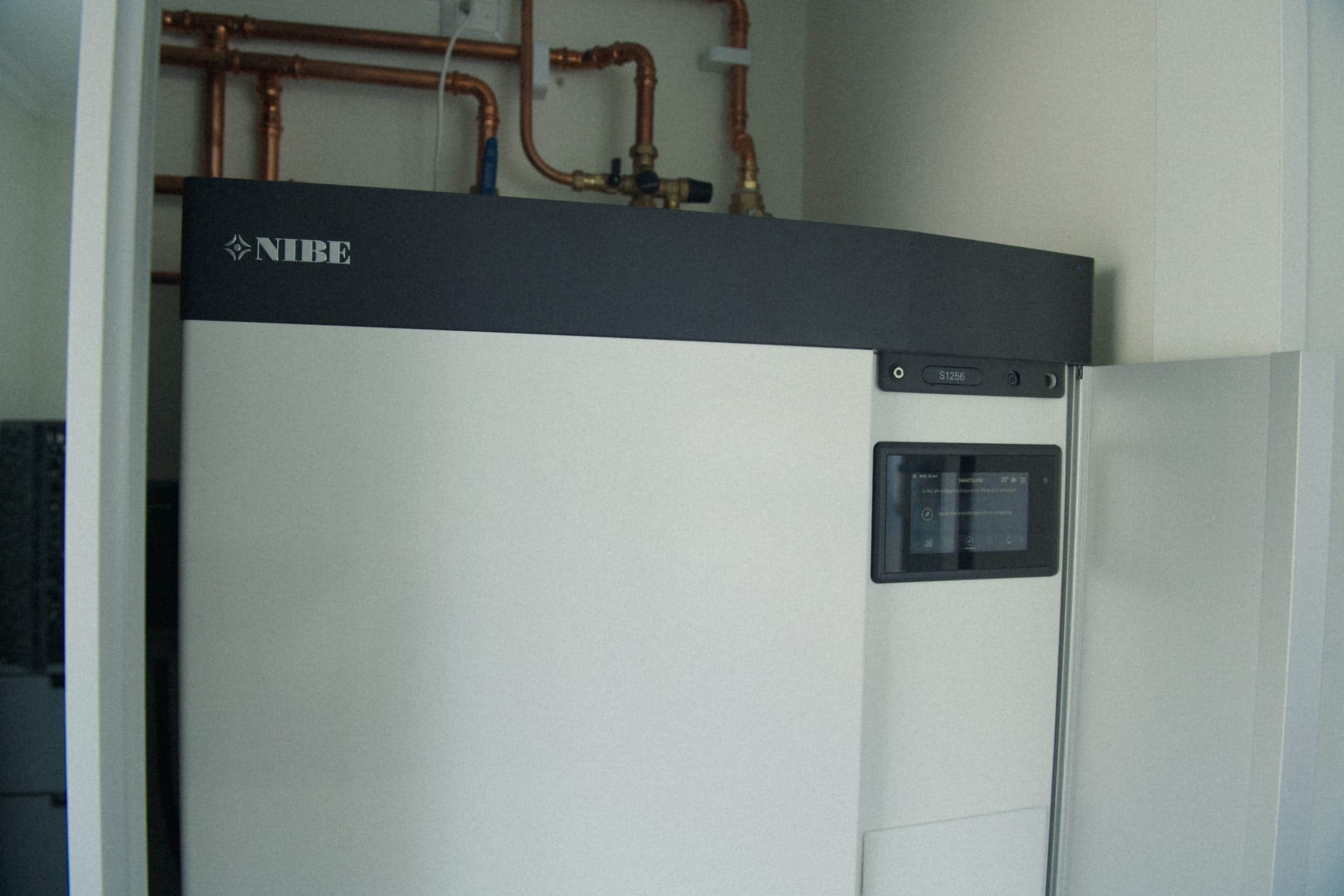
A ground-source heat pump draws heat from the bedrock through a borehole and gives steady heat all year, even through long cold spells. A replacement often costs SEK 100,000 to 160,000 installed after the ROT deduction, if the borehole can be reused. If you need to drill a new one, it usually comes to SEK 180,000 to 250,000. Whether ground-source is right for your house depends on the plot, the heating system and how much heat the house needs.
Ground-source heat has a reputation as the safe choice. That is usually true, but not always. In a smaller house in southern Sweden, air-to-water can give more heat per krona, and on a cramped plot it is not always possible to drill.
Below we go through how ground-source heat works, what it costs, what happens to your old borehole and how the installation works.
How does ground-source heat work?
A borehole, usually 100 to 200 metres deep, goes down into the bedrock. In the hole sits a hose with a collector fluid that picks up the heat from the rock. The heat pump raises the temperature and sends it out to the house's radiators or underfloor heating, and heats the hot water as well.
The temperature in the bedrock is about the same all year. So a ground-source heat pump works steadily even at minus twenty outside, while a pump that takes heat from the air has to work harder exactly when it is coldest. You get about three times more heat out than the electricity you put in.
What does ground-source heat cost in 2026?
Approximate market prices for the pump and installation, after the ROT deduction:
| Situation | Price after ROT |
|---|---|
| Replacement, existing borehole | SEK 100,000–160,000 |
| New installation, new borehole | SEK 180,000–250,000 |
The drilling makes the difference. How deep it needs to go depends on the house's heating need and on the bedrock. How far down the rock starts, the distance between the borehole and the house, and how the plot is restored afterwards also affect the price.
Then comes the cost of having the pump: servicing, repairs once the warranty has run out, and the electricity it uses. That grows over the years as the pump loses efficiency. The whole bill, buying and running, is in What does a heat pump cost in 2026?
Can I reuse my old borehole?
In most cases, yes. A borehole often lasts 40 to 50 years, or longer. The pump itself needs replacing after about 15 to 20 years. A house that has had ground-source heat for 15 years usually has a borehole with decades left, and then only the pump is replaced.
The one thing to check is whether the hole is deep enough. If the house has been extended, or the new pump has to deliver more heat than the old one, the borehole's depth needs checking against the need. A hole that is too shallow makes the pump work harder than it should.
How is a ground-source heat pump installed?
Assessment. A technician looks at the house, the existing heating system and the plot, and works out how much heat the house needs.
Notification and drilling. If a new hole is drilled, the municipality usually needs to be notified before the work starts. The drilling is done with a rig on the plot. If an existing hole is reused you skip this step, and most people replacing a ground-source heat pump can use the hole they already have. If a new borehole is needed, that is a cost you pay yourself, and we go through it together before anything is decided.
Connection. The old pump is disconnected and the new one is connected to the borehole, to the house's radiators or underfloor heating and to the hot water. An electrician connects the pump to the fuse board.
Commissioning. The pump is set to the house's heating need, so that it neither runs too hard nor too often.
The swap on site usually takes a couple of days. What takes time is the preparation, and a new borehole if one is needed. The whole replacement step by step is in Installing a new heat pump.
When is ground-source heat the right choice?
An existing borehole. If you already have one, ground-source heat is usually the obvious choice. The most expensive part is already done.
A cold climate. North of Umeå, where the cold can last for months, ground-source heat gives the most even output when the need is greatest. More in Heat pumps in northern Sweden.
A large heating need. In a big, energy-hungry house the borehole pays for itself faster. In southern Sweden that is often the only place ground-source heat pays off.
The long term. The borehole is a lasting asset that outlives several pumps.
And when is it not right? On a small or cramped plot where drilling is not possible, or in a smaller house in southern Sweden where air-to-water often gives more heat per krona. We compare the two in Ground-source or air-to-water? How to choose.
Can I switch to ground-source heat from something else?
Yes, if the house has waterborne heating. A house with an oil boiler, a pellet boiler or district heating almost always has radiators fed by water, and then the heat source is replaced while the radiators stay. If you have direct electric heating, the house first needs a waterborne system, and that costs extra.
Ground-source heat with Elvy
With us you do not pick a pump from a data sheet. An energy adviser works through your house, your plot and your heating system and lands on the pump that gives the most heat per krona. If it is ground-source, it is because it pays off for your house. If the analysis shows air-to-water is better, we say so. If your existing borehole can be reused, there is no cost on top of the monthly fee. If a new borehole is needed, you pay for the drilling.
The pump is installed together with solar panels and a battery, and everything is controlled by the electricity price. You pay a fixed monthly fee that stays fixed for 15 years and is adjusted only by KPI. No upfront payment for the pump. If it breaks, it is our cost, not yours.
SEK 0
upfront, the pump is part of the monthly fee
15 years
fixed price, only KPI adjusts it once a year
40–50 years
is how long a borehole often lasts, so the pump goes and the hole stays
Already have a borehole? Then the most expensive part is done.
Keep reading More to explore
- Heat pump
What does a heat pump cost in 2026? Prices for ground-source and air-to-water
A new heat pump usually costs SEK 100,000 to 250,000 installed. Pump type, borehole and house decide. Here are the prices, and what the quote leaves out.
- Heat pump
Air-to-water heat pumps: how they work, and do they suit your house?
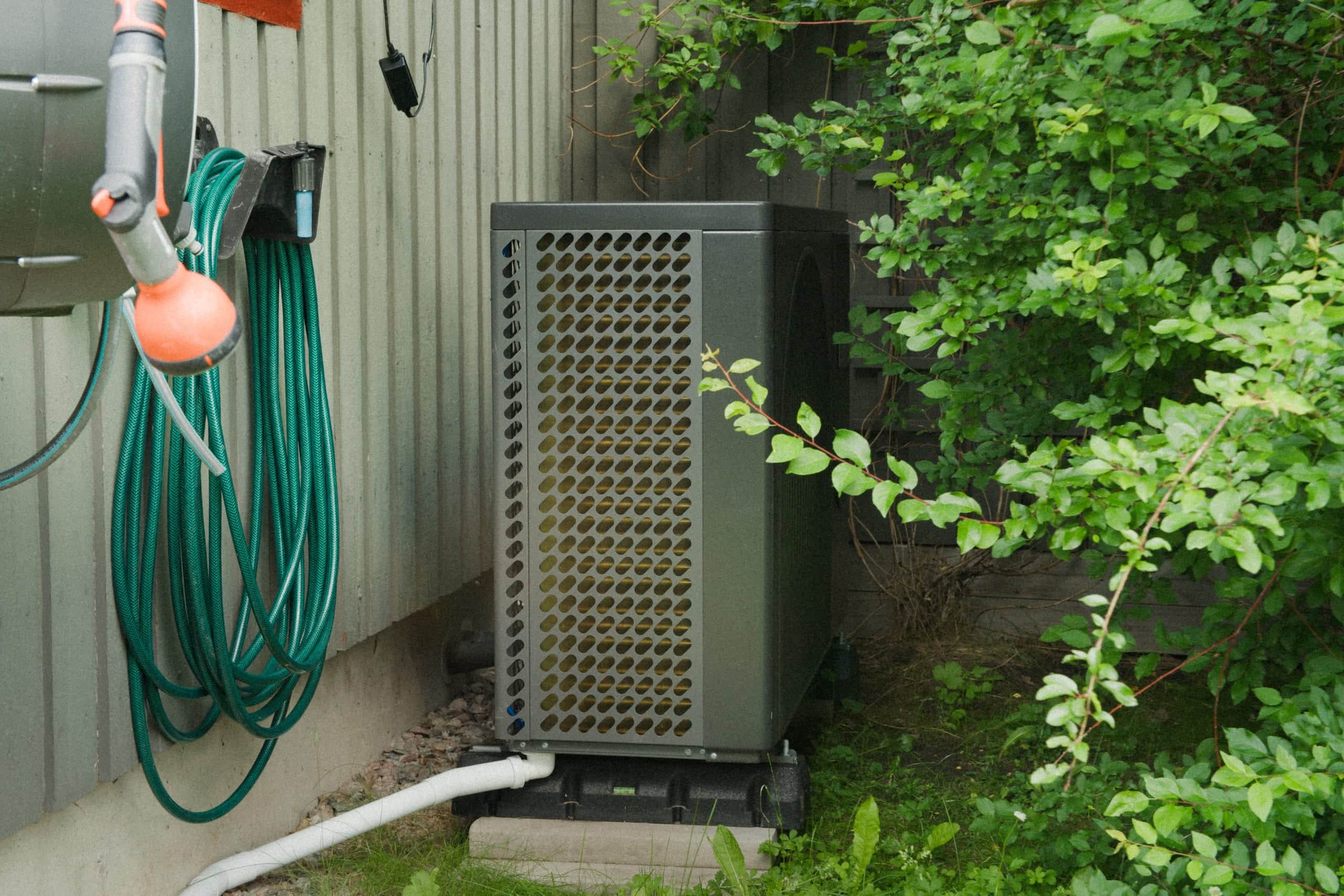
An air-to-water heat pump heats radiators and hot water with outdoor air. It needs waterborne heating and loses output in hard frost. Here is what applies.
- Heat pump
Installing a new heat pump: when it is time and how the swap works
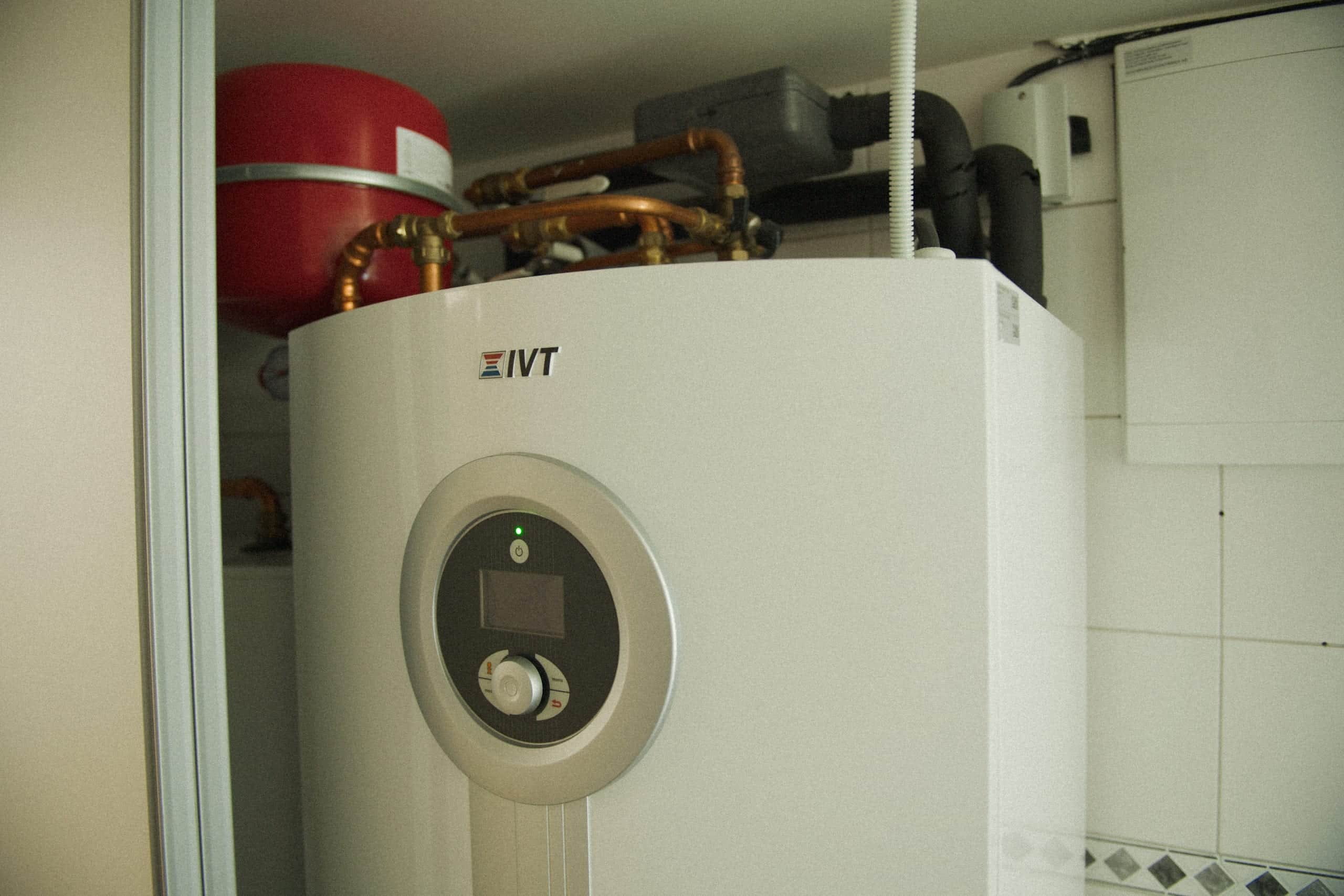
Swapping a heat pump usually takes a couple of days. The preparation is what takes time. Here are the signs it is time, and how the installation works.
0+
Homeowners no longer manage their own power and heat. They decided they had better things to do.
Curious to do the same?