Green deduction for solar and battery on a subscription?
The green deduction doesn't apply in a subscription: Elvy owns the kit and you buy nothing. And it's no loss, there's no investment left to lower.
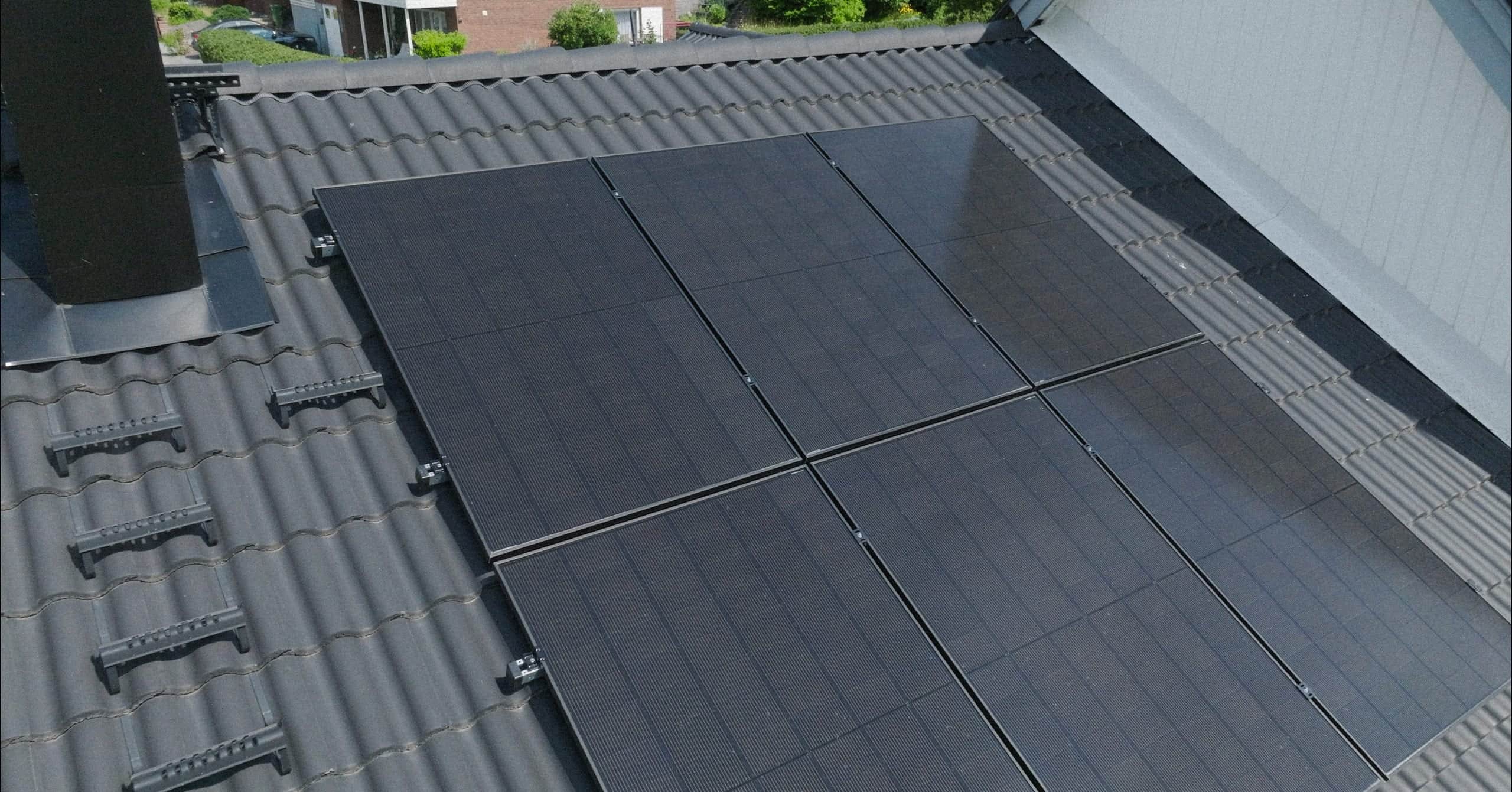
The green deduction (grönt avdrag) is a tax reduction for private individuals who buy and pay for an installation themselves. Solar gives 15 percent on labour and material, a battery gives 50 percent, up to 50,000 kronor per person a year. In a subscription you buy nothing, Elvy owns the kit, and a company can't take a private deduction. So it doesn't apply, and that's no loss: there's no investment for it to lower.
Below we cover what the green deduction is, how much you can deduct, who's allowed to use it, what happens to the deduction in a subscription, whether you miss out, and what applies to the electricity you feed back to the grid.
What is the green deduction for solar and battery?
The green deduction is a tax reduction you get straight on the invoice when you install green technology. The installer deducts it, you pay less, and you don't have to apply for anything yourself. It's counted on both labour and material. For a grid-connected solar system the deduction is 15 percent. For a system that stores your self-produced electricity, meaning a battery, it's 50 percent. The same 50 percent applies to an EV charging point.
The rate for solar was cut from 20 to 15 percent for installations paid after 1 July 2025, and 15 percent is what applies during 2026. The battery stays at 50 percent. The solar deduction requires the system to be grid-connected, and the battery deduction requires the system to store electricity you produce yourself.
How much can you deduct?
The ceiling is 50,000 kronor per person a year. It's a single ceiling for all green technology, not one per category. Solar, battery and charging point are added up against the same 50,000 kronor, not counted separately.
If you own the house together you each have a ceiling, so two people can reach up to 100,000 kronor combined in a year. If the installation costs more than that, you get the deduction up to the ceiling and pay the rest yourself.
Who can use the green deduction?
The green deduction is for private individuals. You have to own, or be in the middle of building, the home the equipment serves, a house or an owner-occupied flat, or a tenant-owned or rented flat where you have the right to install. And you have to have paid for the installation yourself.
You don't apply for the deduction. The installer takes it straight off the invoice, the so-called invoice model, and the Tax Agency reconciles it afterwards. A company can't get green technology at all, the deduction only exists for private individuals.
What happens to the green deduction in a subscription?
Nothing, because there's no purchase to base the deduction on. The green deduction lowers the price of an installation you buy and pay for. In a subscription you buy nothing, Elvy owns the solar panels, the heat pump and the battery and pays for them. So there's no invoice of yours to take the deduction from.
And even if there were, Elvy can't take the deduction in your place. Green technology is a tax reduction for private individuals, and Elvy is a company. Two reasons pointing the same way: the deduction goes with owning and buying, and in a subscription you do neither.
Do you miss out by not getting the deduction?
No, and that's the important part. The green deduction is a discount on an investment. It makes a large one-off cost smaller, but only if you have that cost in the first place. In a subscription there's no upfront payment and no loan for the equipment, so there's no investment for the deduction to lower.
Comparing a purchase with the deduction against a subscription without it is comparing the wrong things. In one case you pay for the hardware and the state takes part of the hit. In the other you pay a fixed fee a month and never own the hardware, so there's no hit to take.
What applies to the electricity you feed back to the grid?
This is a different thing from the green deduction, and the rules changed at the turn of the year. Through 2025 there was a tax reduction of 60 öre per kilowatt-hour for electricity you fed to the grid, on a base of up to 30,000 kilowatt-hours a year, so at most 18,000 kronor, and never more than you bought in. That reduction is gone from 1 January 2026. From 2026 the surplus is instead paid for by whoever buys the electricity, at a price that follows the spot price, plus about 5 öre per kilowatt-hour in grid benefit from the grid owner.
In a subscription Elvy owns and runs the whole system, the battery included. Surplus therefore doesn't have to be fed out cheaply in the middle of the day, but can be stored and used or sold when it's worth more. Exactly who gets paid for the exported electricity in a subscription is a question for the contract, not for this article.
Keep reading More to explore
- Solar
Buy solar panels or take out an energy subscription?
Buy solar panels to own the system and take the upside, plus the wear and risk. If you just want a predictable bill, an energy subscription fits.
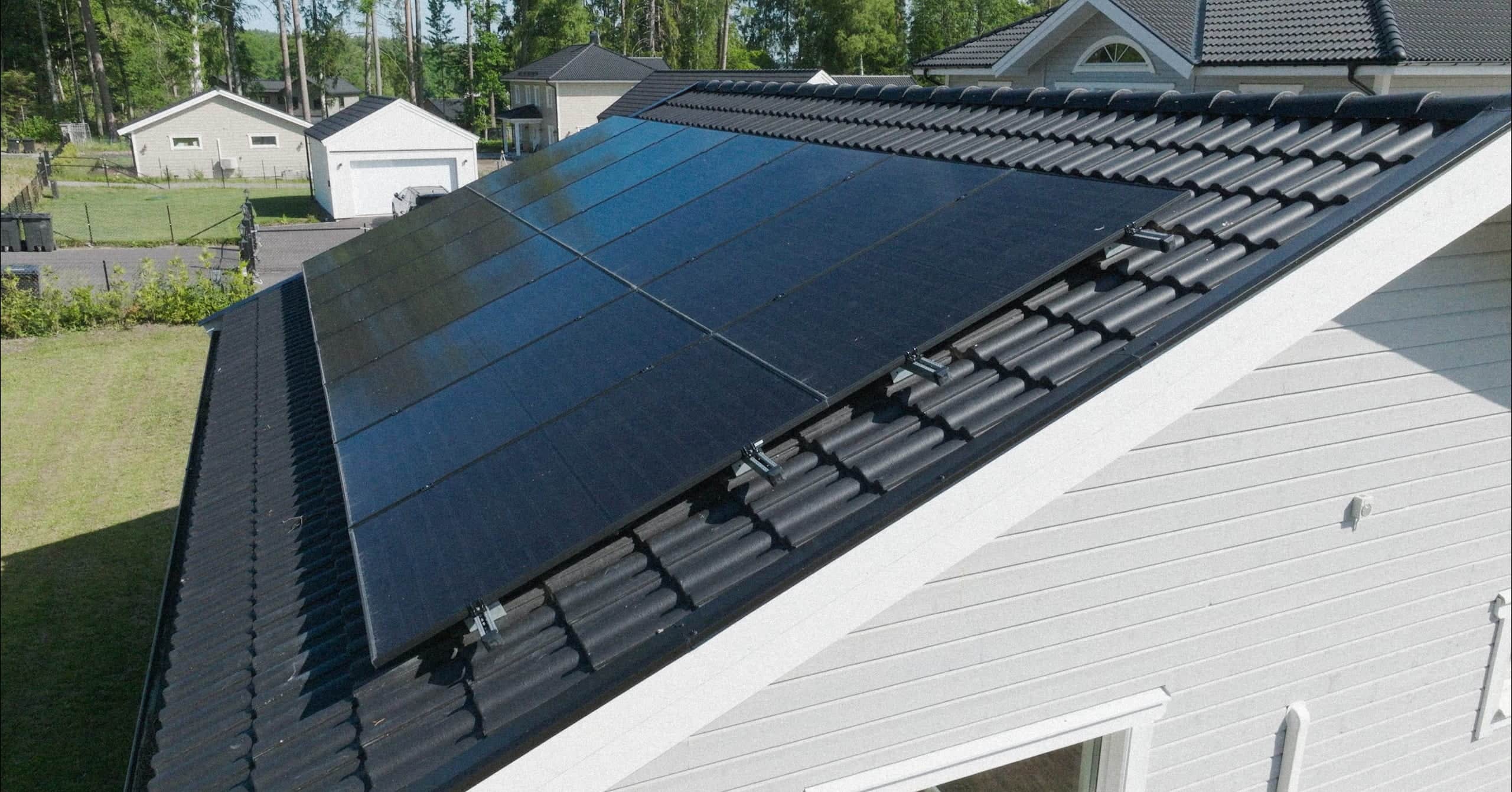
- Solar
Do solar panels work in winter in Sweden?
Yes, solar panels work in winter, but make much less electricity. The cold isn't the problem, it's the daylight. Solar is judged over the year, not December.
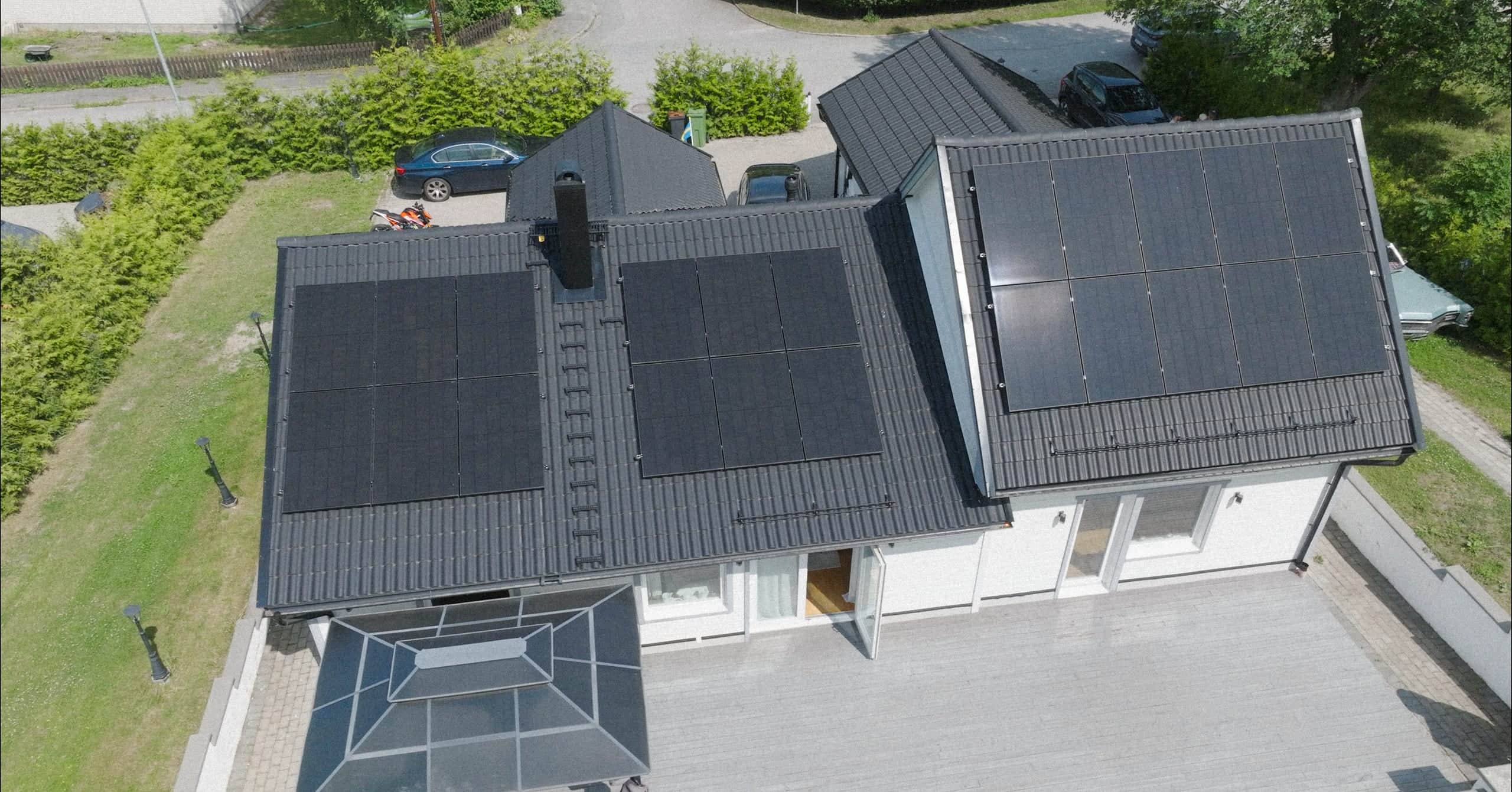
- Solar
How many solar panels does my house need?
How many solar panels a house needs is measured in kilowatts and depends on the roof, your usage and self-use. The right number comes from an analysis.
0+
Homeowners no longer manage their own power and heat. They decided they had better things to do.
Curious to do the same?