Own or lease? It comes down to who fixes it when it breaks
Own the kit and you take on the capital and the risk. Lease it, as in Elvy's subscription, and Elvy owns the hardware and handles upkeep for a fixed fee.

Own the kit and you pay for it once, then you're responsible for everything: service, repairs and the day the inverter dies. Lease it, as with Elvy's subscription, and Elvy owns the hardware and handles the upkeep for a fixed monthly cost. The difference is less about price and more about who gets the phone call when something breaks.
Which one is right depends on whether you want to own a system or simply stop thinking about it. Below we cover what you take on when you own outright, what you actually lease in a subscription, who fixes it when it plays up, who carries the risk, and what happens the day you sell.
What does owning the kit outright mean?
You pay for the whole system at once, or borrow for it, and then you own it. The solar panels, heat pump and battery become yours, a fixture that follows the house when you sell. You decide over everything and take the whole upside. That's the real advantage of buying.
But everything that happens to the kit after installation lands on you too. Warranties to keep track of, service to book, and the day the inverter, the system's brain, wears out and has to be replaced, long before the panels do. You're your own operations manager, whether you meant to be one or not.
What are you actually leasing?
The right to use a system that Elvy owns. Elvy installs solar panels, a heat pump and a battery, provides the hardware and optimises it against the electricity price. You pay a fixed amount a month to use it, with no upfront cost and no loan for the equipment. The price stays fixed for 15 years and is adjusted once a year by the consumer price index. It does not follow the spot price.
So you don't own the panels on the roof, and that's the whole point. You skip the capital tied up in them, and you skip what comes with owning. Elvy owns the electricity and trades it, and that upside goes to Elvy. It's part of how a fixed fee adds up.
Who fixes it when something breaks?
If you own the system, it's you. You troubleshoot, call a technician, wait for a spare part and pay the bill. An inverter that dies during a cold week in February is your problem to solve, and your cost.
If you lease it, it's Elvy's job to fix it, at no extra cost. Ideally you notice something was wrong only afterwards, if at all. That's the concrete difference behind the two models, and more often than the price, it's the one that decides which suits you.
Who carries the risk?
Whoever owns. When you buy, you take on both the capital risk and the technology ageing. A component that wears out earlier than planned, a year with little sun, a shift in the technology that leaves your system dated before it's paid off, all of it lands on you. That's the price of also taking the whole upside.
The subscription swaps that uncertainty for a known amount. Elvy owns the equipment and carries the risk that it works. You pay the same in January as in July and never have to guess what the next repair costs, because it isn't your bill.
What happens to the kit if you sell the house?
Short answer: if you own it, it follows the house as a fixture; if you lease through Elvy, the next owner can instead take over the subscription with the same fixed fee and the same zero responsibility for running it.
What matters here is the model, not the paperwork. Whoever subscribes hands over a house where running the system is already someone else's job, and a house where the energy is sorted is rarely a drawback in a sale. The mechanics of transfer, buy-out and what counts as a fixture we cover separately.
So how do you choose?
Ask yourself what you want: an asset to manage, or a system someone else fixes when it breaks. If you have the capital, the interest and the appetite to look after a system yourself, owning is a reasonable path, and you take the whole upside. If you want it to just work, you'd rather pay a fixed amount and hand the responsibility off.
Elvy is available today for villas and houses across Sweden, but not yet for flats. The price is set individually from an energy analysis of your house, because a list price would just be a guess. What it comes to for your particular house is something the analysis answers, not this article. If several houses in the same area go ahead together, the installation can be coordinated, and that saving can go back into the price for all of you.
Keep reading More to explore
- About Elvy
What is an energy subscription?
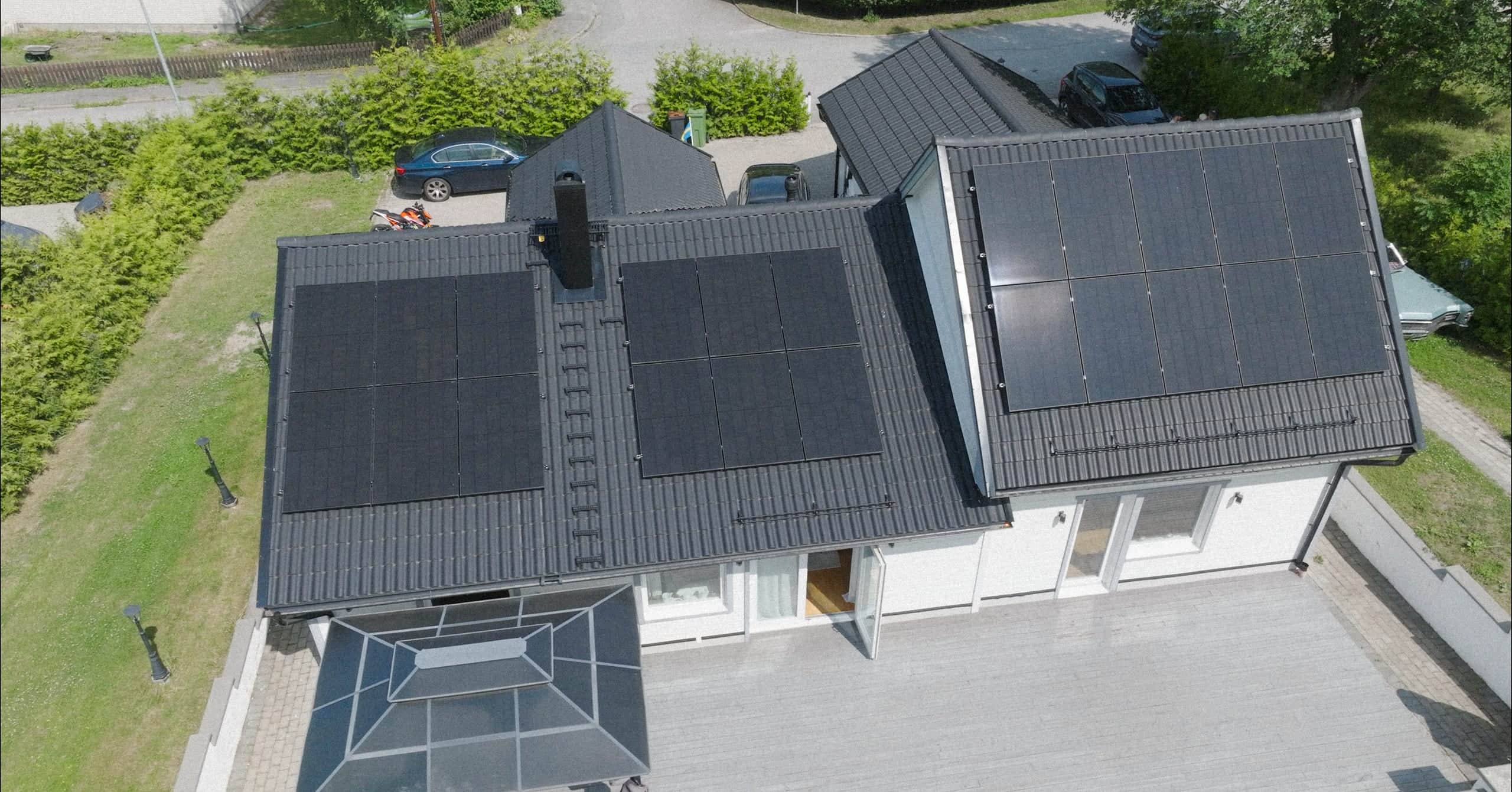
An energy subscription is a fixed monthly price for a home's power and heat. Only the CPI moves the price. Elvy owns and runs the equipment, no upfront cost.
- About Elvy
What happens to the subscription if I sell the house?
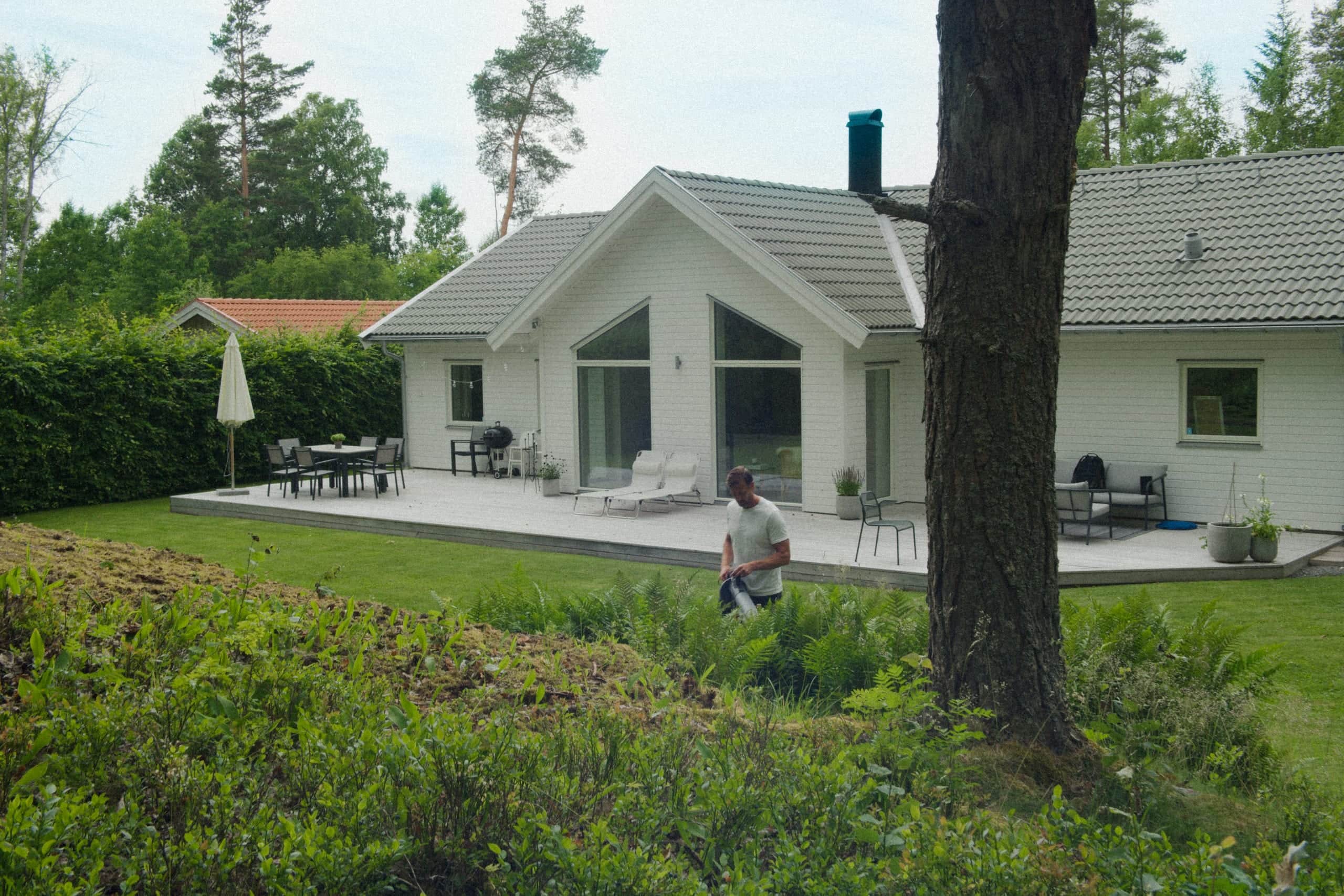
If you sell the house, you're not stuck. The subscription is transferable and passes to the next owner as part of the purchase. Or you buy the system out.
- About Elvy
Energy subscription for a group of neighbouring homes
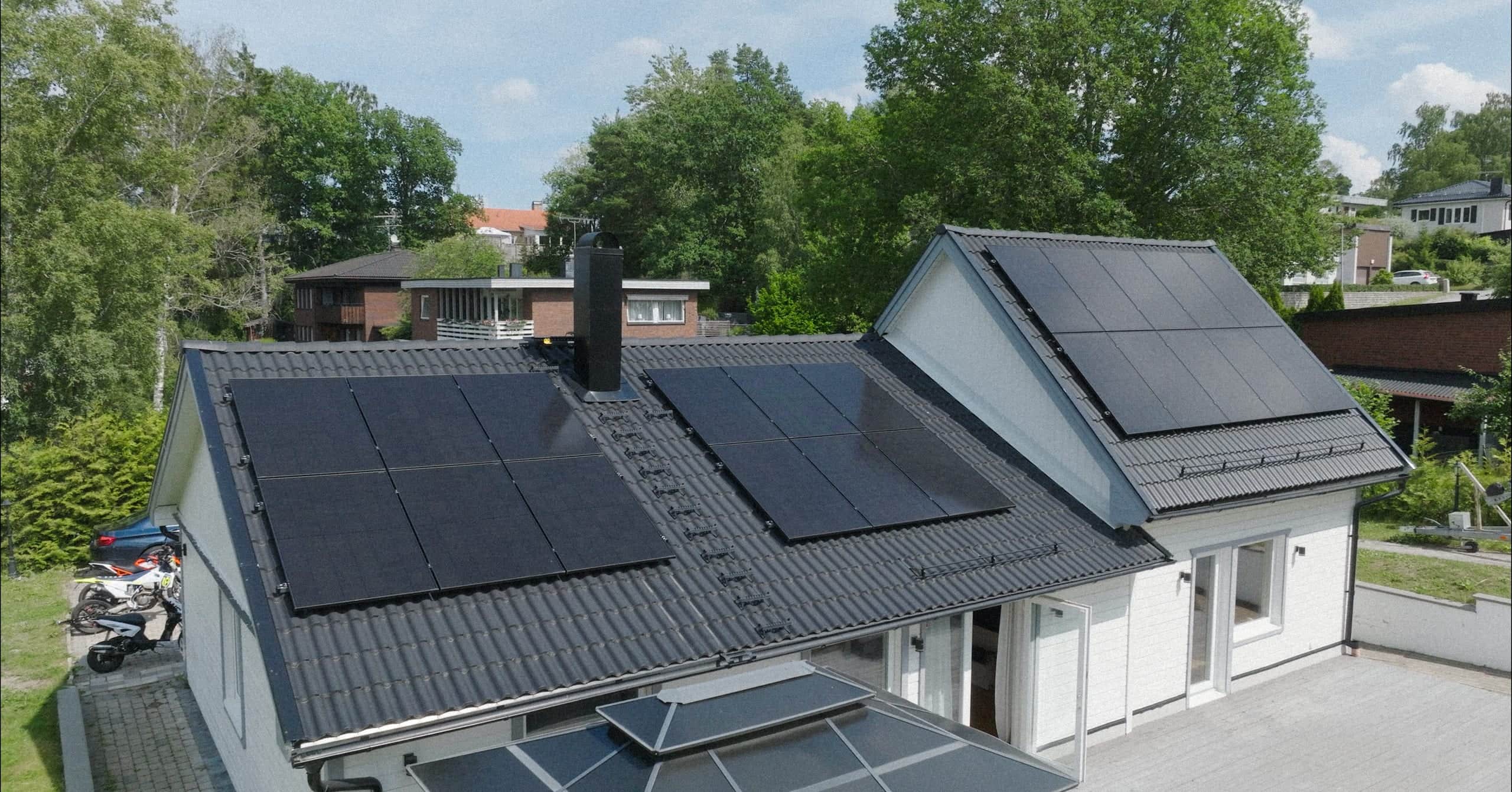
Yes, a group of neighbouring homeowners can get an energy subscription together. Installing several homes at once is more efficient and can lower the price.
0+
Homeowners no longer manage their own power and heat. They decided they had better things to do.
Curious to do the same?