Selling surplus solar: what's it worth without the credit?
The 60 öre per kWh tax reduction was scrapped on 1 January 2026. Surplus is now worth what a buyer pays, not a tax credit.
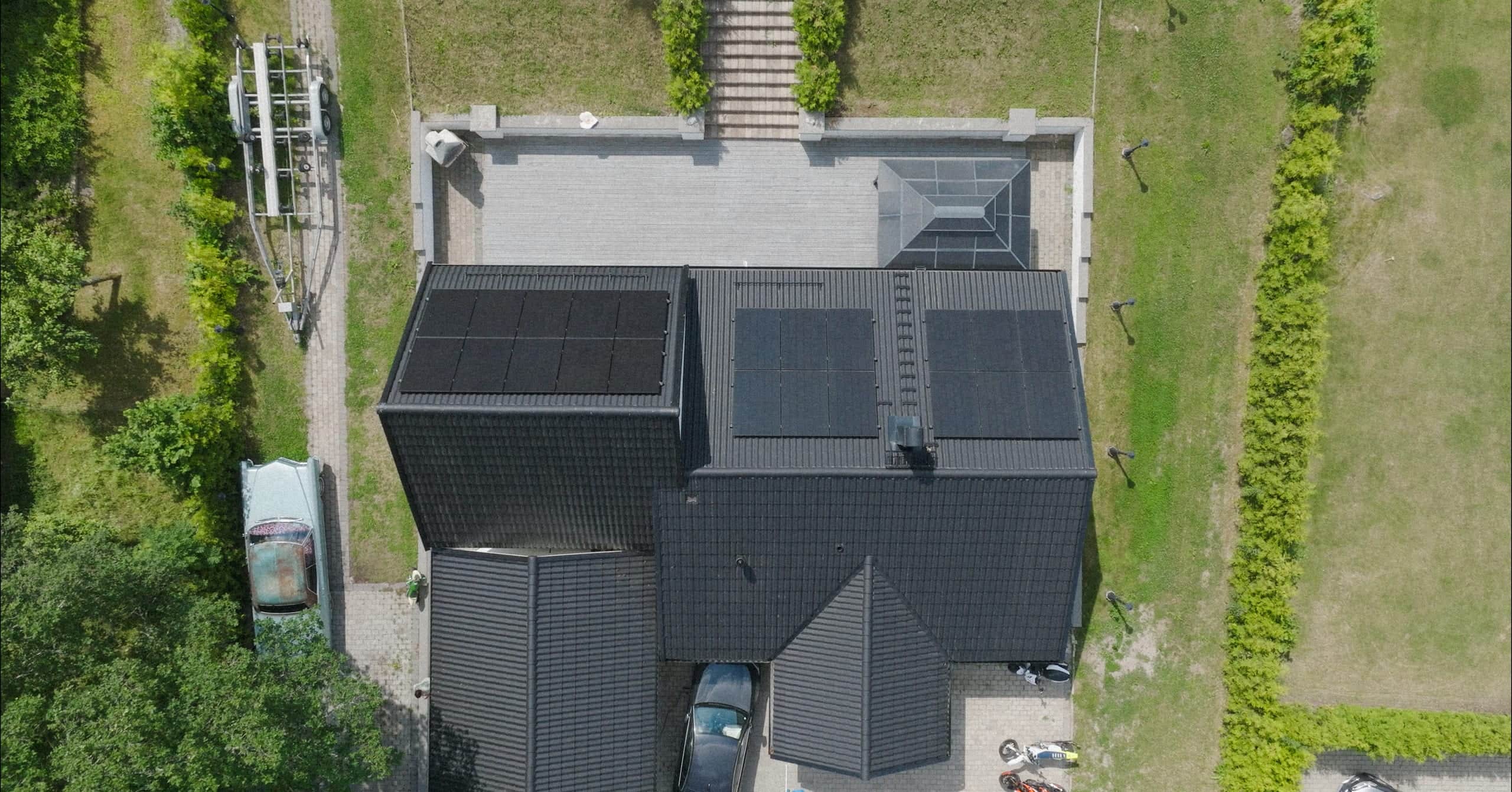
Surplus electricity is the solar power you produce but don't use in the moment, and that goes out onto the grid. Through the end of 2025 it earned a tax reduction of 60 öre per kilowatt-hour. That was scrapped on 1 January 2026. Now surplus is instead worth what an electricity buyer pays, a rate that follows the spot price, plus a small grid-benefit payment from the grid owner. It's market payment, not a tax credit.
Below we go through what the tax reduction was, why it disappeared, what surplus is actually worth now, why it pays badly to dump electricity onto the grid in the middle of the day, and how surplus is handled when Elvy owns and runs the system.
What happened to the tax reduction for surplus electricity?
The Riksdag scrapped it. The tax reduction for micro-production of renewable electricity, known colloquially as the 60-öring, applied through 31 December 2025 and disappeared on 1 January 2026. It gave 60 öre per kilowatt-hour for electricity fed into the grid, as a reduction in your tax return.
If you sold surplus during 2025 you can still claim the reduction in the spring 2026 tax return, that part stays. But on electricity you feed in during 2026 it no longer earns anything. For feed-in from this year onward, the credit simply doesn't exist.
What were the rules, and why do they matter less now?
The basis was the ceiling. You got the reduction on at most 30,000 kilowatt-hours a year, so a maximum of 18,000 kronor, and never on more kilowatt-hours than you drew out at the same connection point over the year. In other words, you couldn't be paid for feeding in more than you took out.
The conditions were specific too. The same connection point had to be used for both feed-in and draw, the main fuse could be rated at no more than 100 amperes, and you had to have notified your grid company that you produce renewable electricity. From 2026 none of this matters, because the reduction the conditions hung on no longer exists.
What is surplus worth now, in 2026?
What a buyer pays. Instead of a fixed tax credit, you get a rate that follows the spot price for the electricity you feed in, often with a small markup or deduction depending on the contract. On top of that comes roughly 5 öre per kilowatt-hour in grid-benefit payment from the grid owner, because your electricity reduces losses in the grid.
That means the value swings. A kilowatt-hour you feed in when the spot price is high is worth more than one you feed in when the price is low. Surplus isn't worthless, but it isn't the guaranteed 60-öring anymore either. It's electricity sold at whatever price the market happens to set at the time.
Why does it pay badly to dump electricity onto the grid in the middle of the day?
Because the sun and the spot price pull in opposite directions. The solar panels produce the most in the middle of the day, often at the same time as many other roofs do, and that's when the spot price is often at its lowest. Feed in right then and you're selling when the electricity is worth the least.
The same kilowatt-hour can be worth considerably more in the evening, when the sun is gone and the price rises. The point is simple. Electricity you save and use yourself, or sell when the price is higher, is worth more than electricity you dump onto the grid when the price is at its lowest.
How is surplus handled in an Elvy subscription?
Elvy owns and runs the whole system, including the battery. Surplus therefore doesn't have to be dumped onto the grid the moment the sun gives more than the house uses. It can be stored in the battery and used when the house needs it, or sold when it's worth more, instead of going out cheap in the middle of the day.
Elvy is the one paid for the surplus for as long as you're a customer. That's exactly how a fixed, low fee holds together: the revenue from the electricity goes to Elvy, and the risk comes with it. Some months Elvy comes out ahead on a house, some months behind, and the idea is for the optimisation to pay off over 15 years. If it goes the wrong way, that's Elvy's problem, not yours. You pay the same amount whatever the surplus happens to earn.
Do I need to keep track of this as an Elvy customer?
No. If you own your own system, you're the one who notifies the grid company, keeps track of the contract with the electricity buyer and, in the past, watched the tax reduction in your return. It's yours to manage.
With Elvy you don't own the panels, and you don't handle trading the electricity. Elvy owns the system and optimises how it runs, including everything to do with feed-in and surplus. You pay a fixed amount a month and skip keeping order on öre payments and rule changes. The closest you get to surplus trading is knowing it happens.
Keep reading More to explore
- Solar
Buy solar panels or take out an energy subscription?
Buy solar panels to own the system and take the upside, plus the wear and risk. If you just want a predictable bill, an energy subscription fits.
- Solar
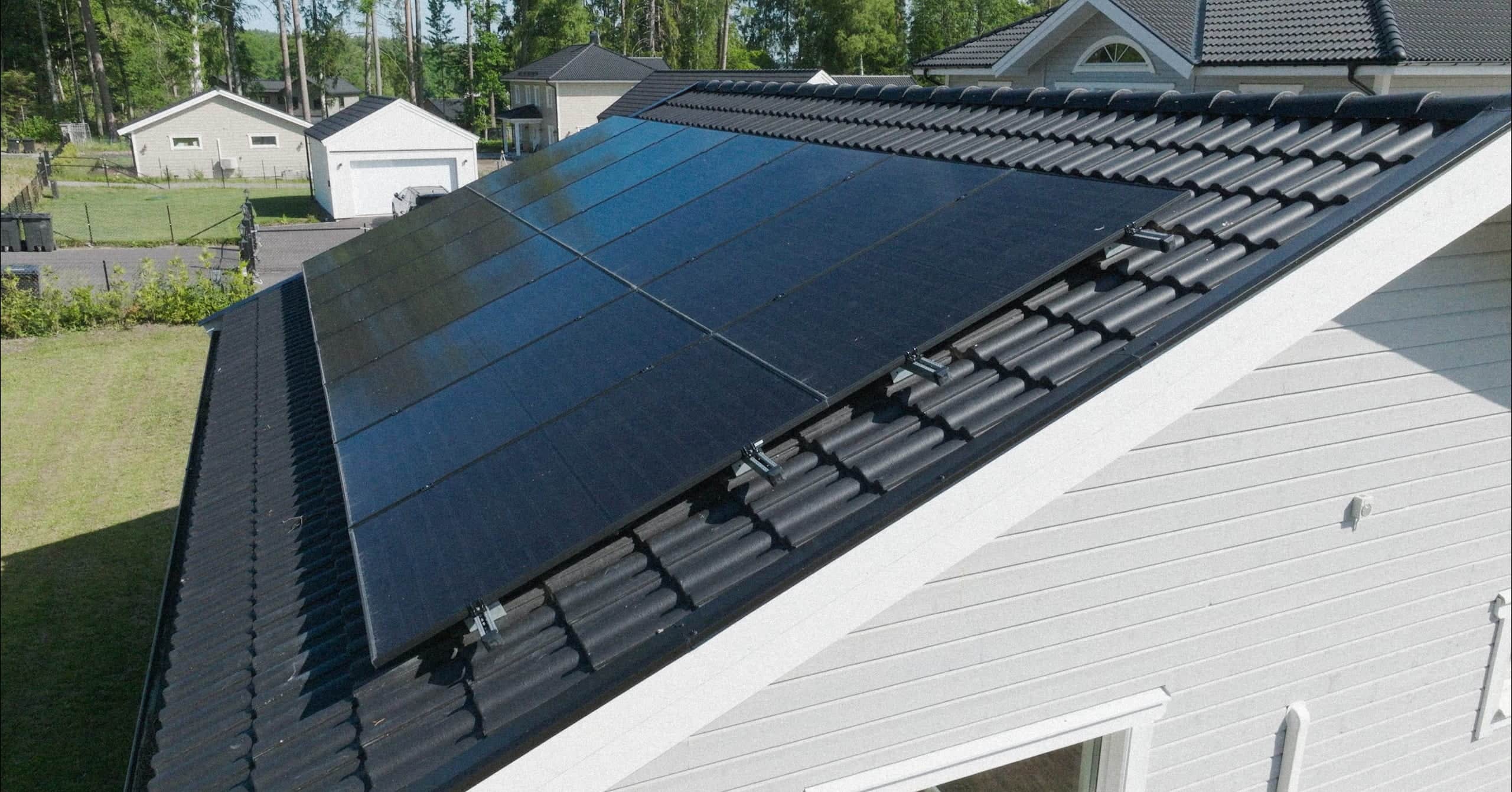
Do solar panels work in winter in Sweden?
Yes, solar panels work in winter, but make much less electricity. The cold isn't the problem, it's the daylight. Solar is judged over the year, not December.
- Solar
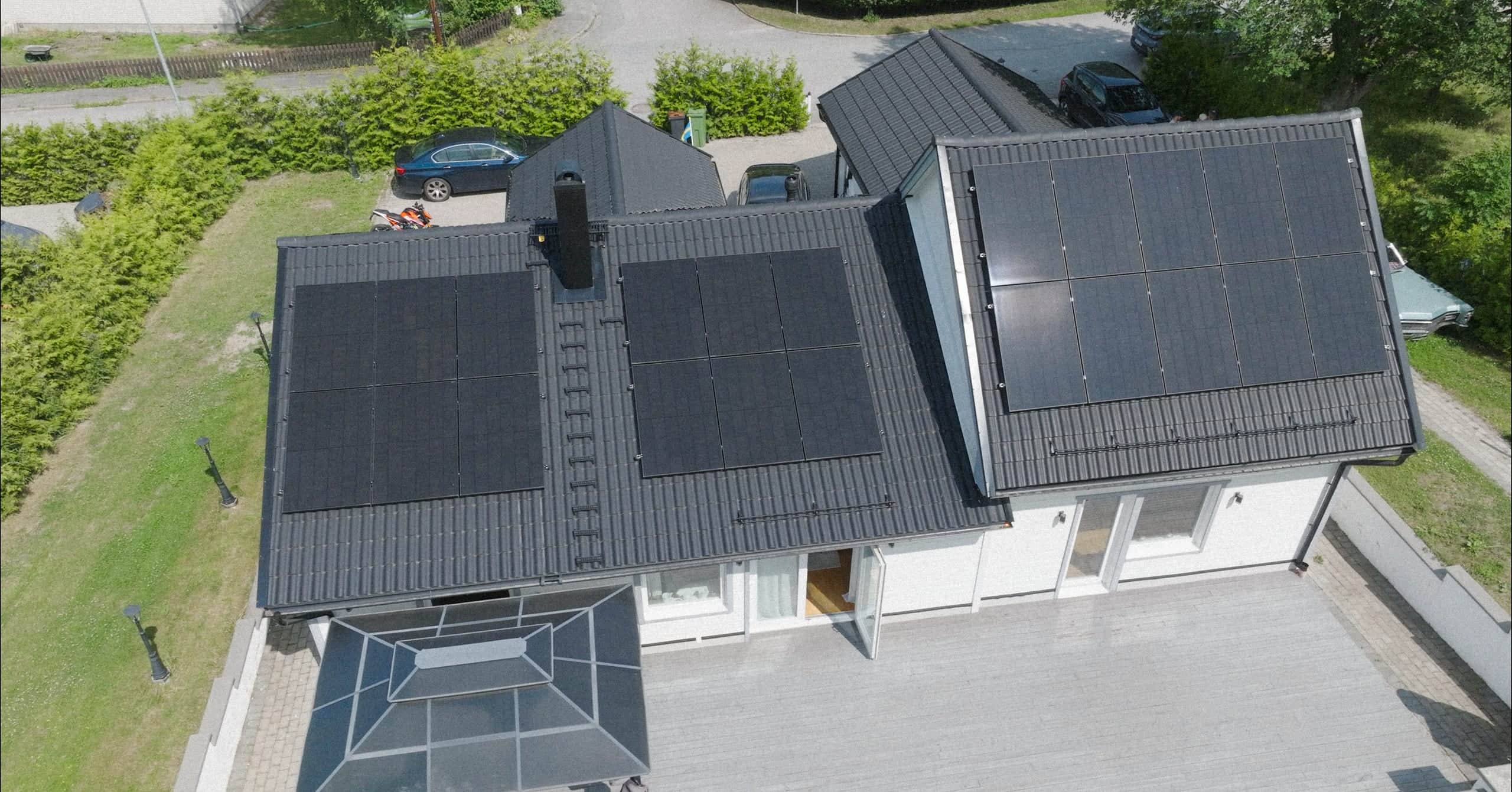
How many solar panels does my house need?
How many solar panels a house needs is measured in kilowatts and depends on the roof, your usage and self-use. The right number comes from an analysis.
0+
Homeowners no longer manage their own power and heat. They decided they had better things to do.
Curious to do the same?