Solar panels with a battery: what it costs and gives in 2026
With solar panels and a battery you use the solar power yourself instead of selling it cheap. Since 2026 that matters more than before. Here is what the package costs and what it gives.
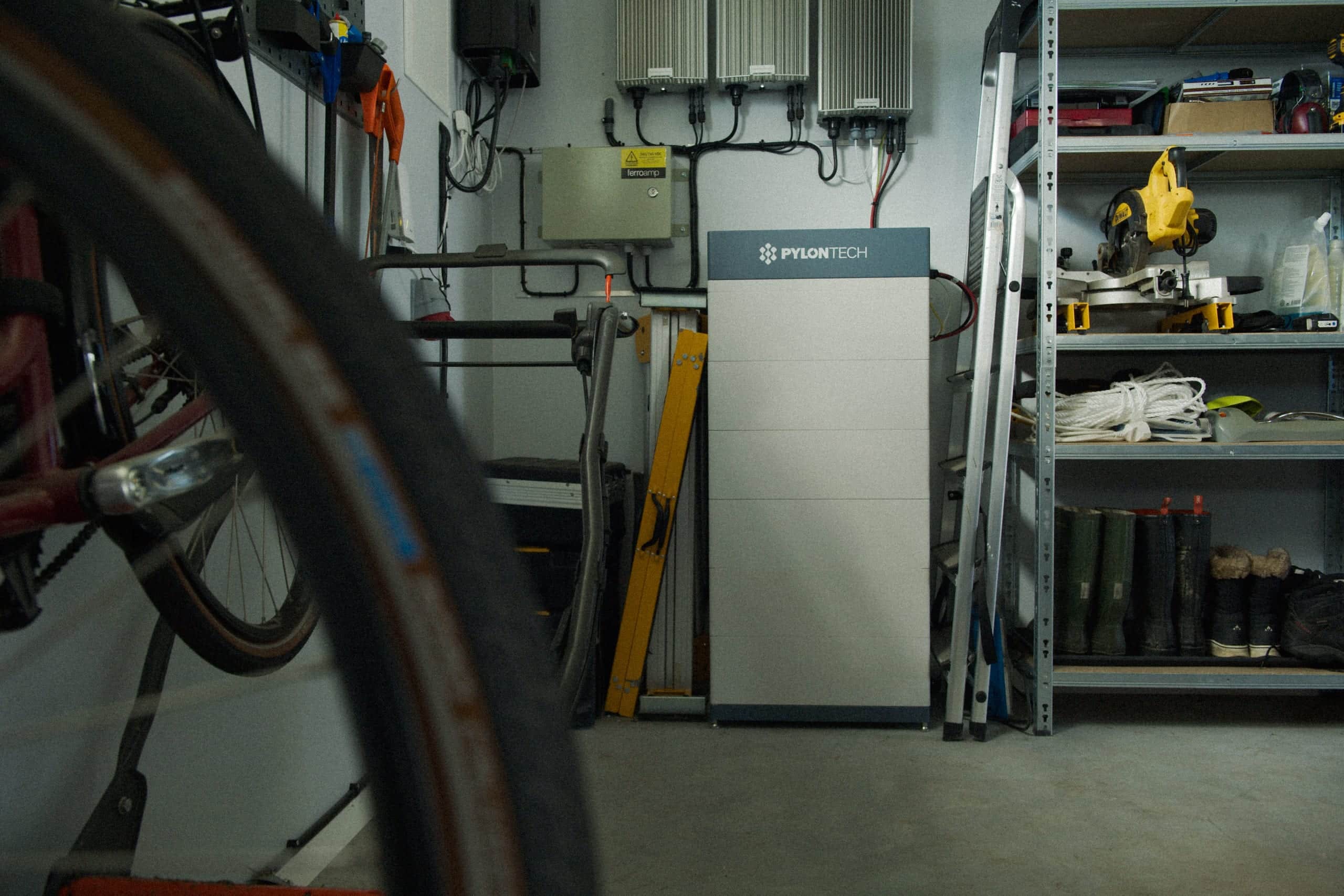
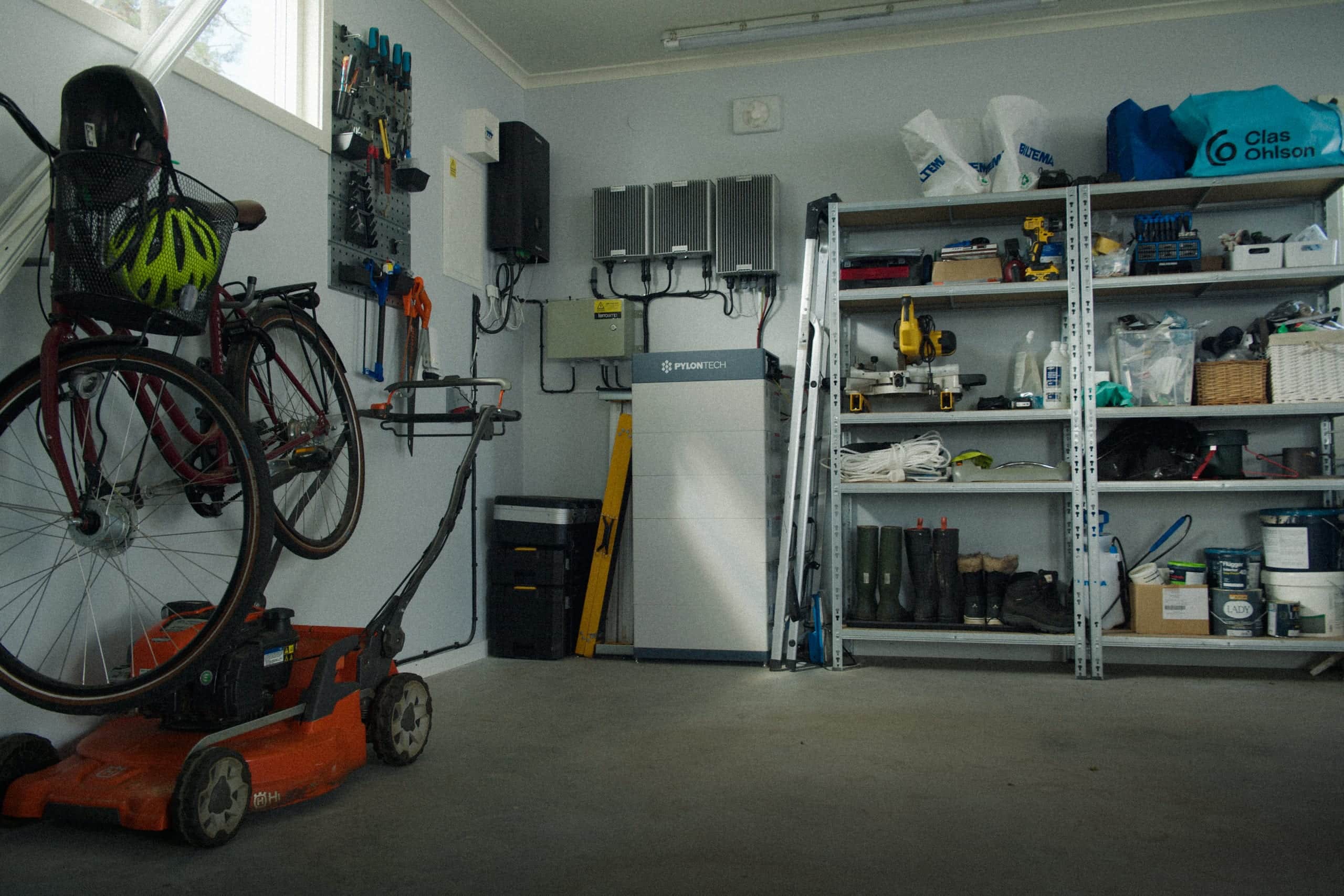
Solar panels with a battery means the electricity you produce in the middle of the day is saved for the evening, instead of being sold cheap and bought back dear. Since 1 January 2026 the tax reduction of 60 öre per kilowatt-hour for sold electricity no longer exists, and that has made the battery more important than ever. What the package costs depends on the roof, the size of the battery and the house. There is no shelf price.
Solar panels produce electricity. The battery decides when you use it. That is why more people choose both from the start, instead of adding the battery later.
Below we go through what the battery does, what changed in 2026, how big a battery you need and what it costs.
What does the battery do in a solar installation?
Three things.
It saves the solar power for the evening. The panels produce most in the middle of the day, when most people are at work. The battery stores the surplus for dinner, the washing and the heat pump during the night.
It shaves the power peaks. More grid companies charge for your highest power peak. When the oven, the electric car and the heat pump all draw at once, the battery can cover the peak so that less comes from the grid. More in How does a home battery shave the power fee?
It helps the grid. A battery can help keep the grid stable through frequency regulation, something Svenska kraftnät (the Swedish grid operator) pays for. How much that brings in varies over time.
Why has the battery become more important in 2026?
Until 2025 you got a tax reduction of 60 öre per kilowatt-hour for electricity you sold, at most SEK 18,000 a year. It was abolished on 1 January 2026. Surplus you feed out now earns a spot-price based payment from the buyer, plus about 5 öre per kilowatt-hour in grid benefit from the grid owner.
In the middle of a sunny day, when every solar owner sells at once, the spot price is often low. Selling then and buying back in the evening, with taxes and grid fees on top, is almost always worse than using the electricity yourself. That is exactly the gap the battery closes. What the surplus is worth today is in Selling surplus solar: what's it worth without the credit?
When does the battery give the most?
When the house uses a lot of electricity while the sun is not shining. A few typical cases:
- High use in the evenings and at night.
- An electric car in the garage.
- A heat pump in the house.
- A grid company that charges for power peaks.
The electric car causes power peaks when it charges, and the battery evens them out. The heat pump can run on stored solar power on cold nights.
How big a battery do I need?
A battery is measured in kilowatt-hours, and bigger is not always better. The right size depends on what the battery should do: cover the evening, shave power peaks or both. A household with an electric car and a heat pump has different needs from one where nobody is home in the evenings.
A battery that is too big sits mostly unused. One that is too small cannot take care of the surplus. We go through how to think about it in How big a home battery do I need?
What do solar panels with a battery cost?
There is no shelf price, and anyone who gives you one before someone has seen the roof is guessing. The number of panels, the size of the battery, the inverter and the installation set the price, and none of them is the same in two houses.
If you buy yourself, you can use the green deduction. For 2026 it is 15 percent on solar panels and 50 percent on batteries, with a shared cap of SEK 50,000 per person and year. That lowers the investment, but the payback time is still uncertain. The price gap between cheap and expensive hours changes from day to day, the payment for grid services varies, and the solar surplus depends on the roof and the season. More on the battery's own sums in What does a home battery cost, and is it worth it?
When does it not pay off?
A battery gives less if the household has low total use, uses little electricity in the evenings and at night, or has no access to the market for grid services. Then the payback time can be long. So look at the whole house before you decide, not at the battery on its own.
Solar panels with a battery at Elvy
With us, solar panels and a battery are never two separate purchases. They are installed together with a heat pump, as one system where production, storage and heating work together. Everything is controlled automatically by the electricity price, the weather forecast and how your house actually uses electricity.
Elvy owns the equipment. So there is no upfront payment and no payback time for you to watch. The income from surplus and grid services goes to Elvy, and that is part of how your monthly fee can stay fixed for 15 years and be adjusted only by KPI. The green deduction cannot be used in a subscription, but there is no upfront payment to soften either.
What it would be for your house, the energy analysis works out. It costs nothing and does not tie you to anything.
SEK 0
upfront, Elvy owns the equipment
15 years
fixed price, only KPI adjusts it once a year
3 in 1
solar panels, battery and heat pump in one system
What would solar and a battery give on your roof? The energy analysis works it out.
Keep reading More to explore
- Battery
What does a home battery cost, and is it worth it?
What a home battery costs depends on the house. The honest figure doesn't exist until someone runs your numbers. Bought outright, payback is uncertain.
- Battery
How big a home battery do I need?
The right size for a home battery is measured in kilowatt-hours and depends on what you want it to do. Bigger isn't always better; it comes from an analysis.
- Battery
How does a home battery shave the power fee?
A power fee charges for your highest power peak. A home battery shaves that peak by covering part of the load in the moment, so less is drawn from the grid.
0+
Homeowners no longer manage their own power and heat. They decided they had better things to do.
Curious to do the same?