Association or just neighbours: does the form matter?
No. Elvy signs with each household separately, so the legal form makes no difference. What decides is the type of home, not what your association is called.
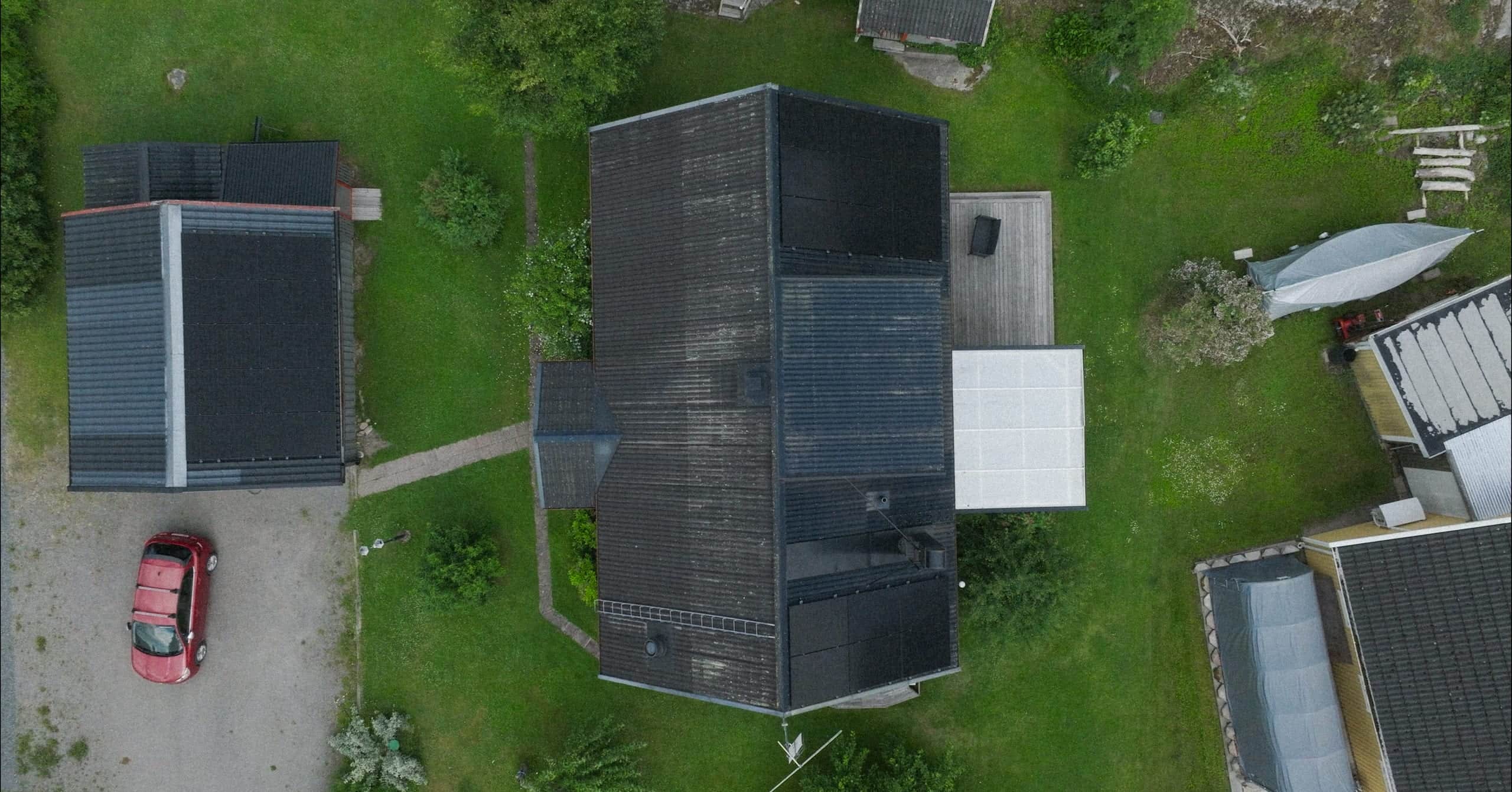
No, the form makes no difference. Elvy signs a contract with each household separately, so whether you are a community association (samfällighet), a road association or just five neighbours on the same street changes nothing. What decides is the houses: Elvy is available for houses across Sweden, but not yet for flats.
Below we go through why the form does not matter, what a samfällighet is, what the type of home means, and whether you need a decision at an association meeting.
Why does the legal form not matter?
Because the contract never goes through the association. It is signed between Elvy and the individual household, exactly as for a homeowner getting in touch alone. The association buys nothing, owns nothing and is not responsible for anybody else's contract.
It also means nobody has to take part. Those who want to sign, those who do not stay out, and anybody unsure can wait and do it later.
What is a samfällighet?
An association of property owners who jointly own and look after something shared between several houses, such as roads, water or green spaces. Everyone owns their own house; what is shared is what lies between them.
Which is exactly why the form works badly as a boundary here. Your samfällighet may be about a gravel road and a playground, while heating and electricity are each household's own business. We care about the houses, not about what you jointly own.
Does the type of home we live in matter?
It is the only question that actually decides. Elvy is available for houses across Sweden, but not yet for flats. Terraced and semi-detached houses count as houses, so an association made up of those looks quite different from one made up of flats.
If you are not sure which kind you are, get in touch and we will sort it out in a minute rather than leaving you to guess. If it is flats, register your interest anyway and we will be in touch if it becomes possible.
We are just a few neighbours. Is that enough?
Yes. You need no association at all, and there is no minimum number. Two neighbours who want to do the same thing at the same time is reason enough to get in touch.
The more houses in the same area, the more efficient a coordinated installation becomes, and that gain can go back into the price. But it is an advantage that grows with the number, not a limit you have to reach.
Do we need a decision at the association meeting?
No. Since every household signs for itself, there is nothing for the meeting to decide. You need no vote, no minutes and no agreement, and a board cannot sign on anybody else's behalf.
What may be worth raising at a meeting is simply that the question exists, so that those who are interested know about it. The rest each household handles for itself.
Keep reading More to explore
- About Elvy
What is an energy subscription?
An energy subscription is a fixed monthly price for a home's power and heat. Only the CPI moves the price. Elvy owns and runs the equipment, no upfront cost.
- About Elvy
What happens to the subscription if I sell the house?
If you sell the house, you're not stuck. The subscription is transferable and passes to the next owner as part of the purchase. Or you buy the system out.
- About Elvy
Energy subscription for a group of neighbouring homes
Yes, a group of neighbouring homeowners can get an energy subscription together. Installing several homes at once is more efficient and can lower the price.
0+
Homeowners no longer manage their own power and heat. They decided they had better things to do.
Curious to do the same?