What happens to the subscription if I sell the house?
If you sell the house, you're not stuck. The subscription is transferable and passes to the next owner as part of the purchase. Or you buy the system out.
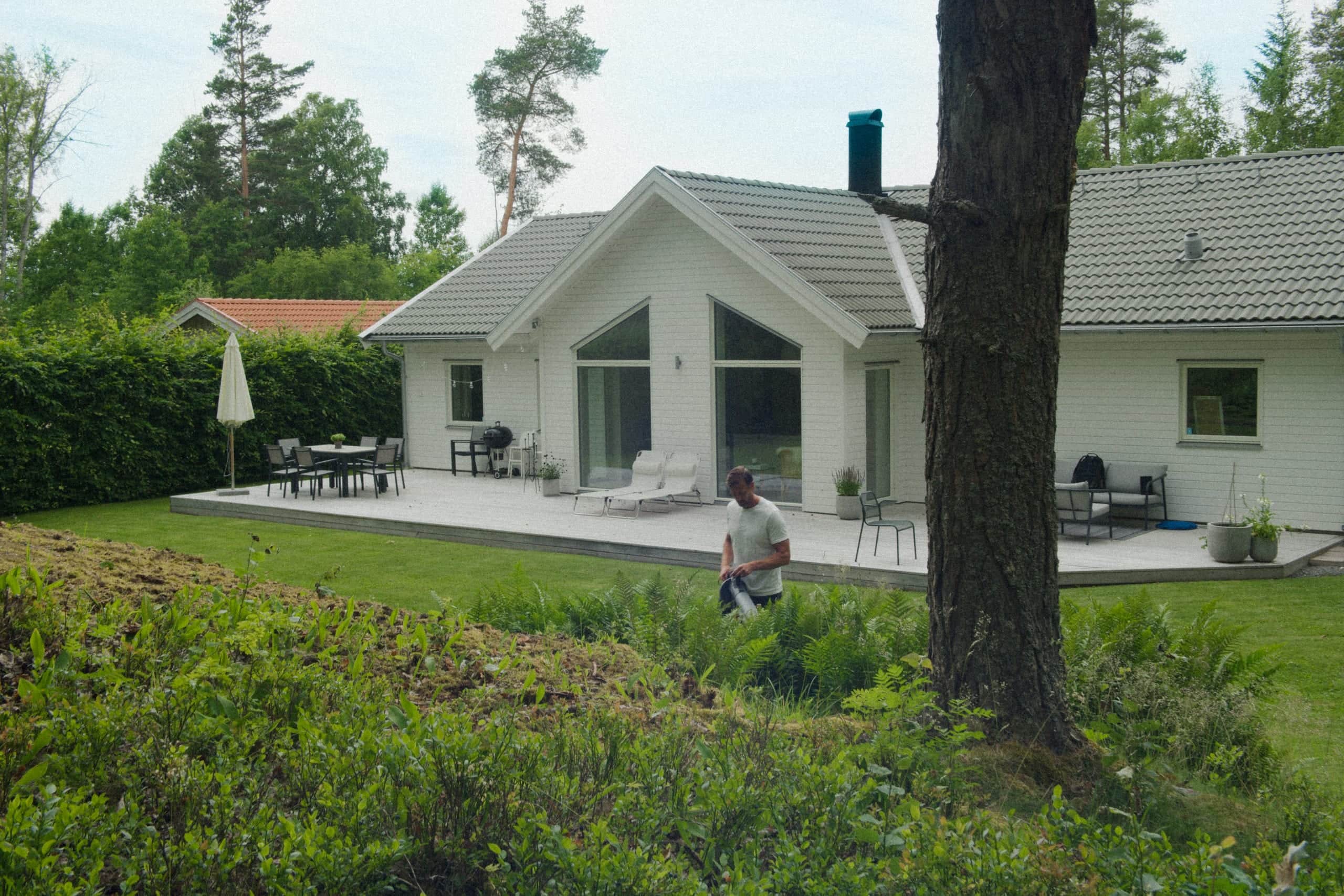
If you sell the house, you're not stuck in the subscription. It's transferable: the next owner takes it over as part of the purchase, just as they take over the house. So you don't take the equipment with you to your next home, it stays where it was installed. If you'd rather buy the system out before the sale, you can do that too.
For a buyer, a house with a finished energy system and a known monthly cost is often an advantage, not a burden. No large investment, nothing to install, a bill that's already predictable. Below we cover what a transfer means, what it means for the buyer, what happens to the guarantee and the service, what buying the system out costs instead, and what applies in the event of death or a separation.
Am I stuck in the subscription if I sell the house?
No. The contract is tied to the house, not to you as a person, and it's transferable. When you sell, the subscription passes to the new owner along with the house. You don't have to pay something expensive to get out early, and you don't drag an old contract along to your next home.
That's the whole point of making the subscription transferable. A 15-year commitment would be a trap if it stayed tied to you when you move. Now it stays tied to the house, where the equipment actually does its job.
What does a transfer mean in practice?
The new owner takes over the subscription on the same terms you had, for the term that's left. The equipment stays in the house, Elvy keeps owning and running it, and the monthly cost continues in the new owner's name. The transfer is done alongside the sale, as part of the deal, against a smaller administrative fee.
For you as the seller it means you don't have to dismantle, move or sell the equipment separately. It belongs to the house. You hand over a working system, not a building site.
What does it mean for the buyer?
A house where the energy system is already in place and tuned. The buyer skips the investment in a heat pump, solar panels and a battery, skips the installation, and gets a monthly cost that's known from day one. What's usually a project after moving in is already done.
In a sale that can carry weight. A predictable energy cost and a finished system are easier to justify than a house where all of that still lies ahead. For many buyers it's an argument for the house, not against it.
What happens to the operations guarantee and the service?
They come along. Elvy still owns the system after the transfer, so the operations guarantee, the service and the round-the-clock monitoring continue exactly as before, only for the new owner. If something breaks, it's Elvy's job to fix it, just as it was while you lived there.
Nothing resets when the house changes hands. The optimisation against the electricity price keeps running, and the new owner doesn't have to sign up again or restart anything. The system doesn't care that the account changes name.
Can I buy the system out instead?
Yes. You can buy the system out if you'd rather, for example to sell the house with the equipment included in the price. Then you own the system and it's part of what you're selling, the same way a kitchen or a garage is.
The price follows what the system is worth when you leave the property: that value minus depreciation, plus a premium. The longer it has been in place, the less there is left to buy out. The exact terms are in the contract.
If you want neither to leave the system behind nor to buy it out, there's a third route. We dismantle it for a share of the residual value, and you as the seller cover the labour cost.
Which route pays off depends on the house and on the deal. A transfer lets the buyer take over a known monthly cost without paying for the technology. Buying it out puts the value in the house itself instead. What fits best is a question for your situation, not a rule.
What happens if I die during the contract term?
If the person on the contract dies during the term, the Elvy subscription can be taken over by the buyer when the estate sells the property. The alternative is that the system is bought out when the property is left, the same way it works in an ordinary sale.
If the system is less than five years old it can also be dismantled, and the seller covers the labour cost then. So the contract follows the property on, and the estate has the same routes to choose between that you would have had.
There are two of us on the contract and we're separating?
If two of you are on the contract, whoever moves out can transfer their share to the one who stays. The subscription then continues unchanged, in the remaining partner's name, and the equipment stays where it is.
If neither of you wants to take it over alone, you can buy the whole system out instead. Those are the same routes as in a sale, only with a split involved.
Does that mean the 15-year term doesn't matter?
No. Fifteen years is a long commitment and should be taken seriously. The transfer is what keeps the commitment from becoming a trap when life changes, it's not a shortcut for ignoring that the contract is long.
Think it through like any long commitment. The difference from a loan on the equipment is that the commitment can follow the house on instead of becoming your headache the day you move. But read the contract before you sign, not after.
Keep reading More to explore
- About Elvy
What is an energy subscription?
An energy subscription is a fixed monthly price for a home's power and heat. Only the CPI moves the price. Elvy owns and runs the equipment, no upfront cost.
- About Elvy
Energy subscription for a group of neighbouring homes
Yes, a group of neighbouring homeowners can get an energy subscription together. Installing several homes at once is more efficient and can lower the price.
- About Elvy
How to raise the energy question with your neighbours
Doing this together means somebody has to ask around first. What you can say, what you do not have to promise, and what happens if a neighbour says no.
0+
Homeowners no longer manage their own power and heat. They decided they had better things to do.
Curious to do the same?