What happens when several houses are installed at once?
Every house is its own job, with its own system and its own contract. What gets coordinated is the planning, and nobody has to wait for a neighbour to start.
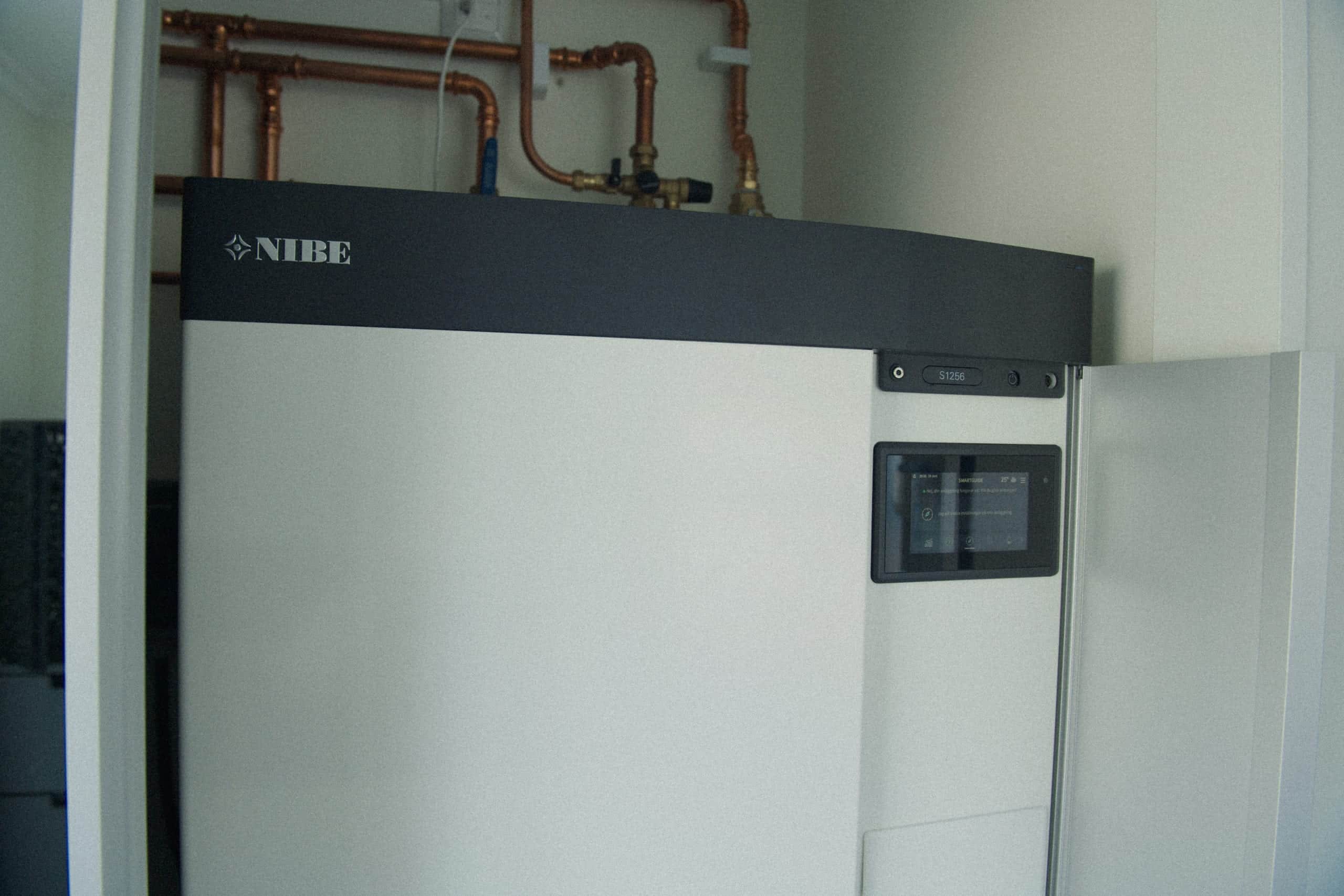
Every house is installed separately, but the jobs are planned together. Your system is yours, your contract is yours, and nothing in your installation waits for a neighbour to make up their mind. What is coordinated is the planning: when several houses in the same area are due, we plan one effort instead of many separate visits spread over months.
Below we go through what the coordination actually means, whether everyone has to finish at the same time, what is visible from outside, and why it is more efficient.
What does a coordinated installation mean?
That we put the houses in one area close together in time and plan them as one job. Travel time shrinks, the same team can move on to the next house, and materials and installation are bought at a larger scale.
It is the planning that is shared, not the system. You do not share a heat pump, a meter or a solar installation. Every house gets its own equipment, and Elvy owns and runs it exactly as for a single house.
Does everyone have to finish at the same time?
No. Every household has its own contract and its own timeline, and the houses differ. A house that already has ground-source heating, a roof that needs looking at or a fuse box due for replacement will take a different route from the one next door.
Our ambition is to have the whole installation in place within 14 days for the individual house. How close together the houses in an area end up depends on how many of you there are and what the houses are like, and that is one of the things we can answer once we have looked at the area.
Does my house wait for my neighbour's?
No. A neighbour dropping out, changing their mind or hitting a delay does not affect your contract or your installation. That is the whole point of signing per household.
What can change if many drop out is the basis for the coordination, meaning the efficiency gain itself. But no single installation is held back waiting for somebody else.
What is visible from outside?
The same work as at a single house, in several houses one after another. A heat pump goes in, solar panels go up on the roof, and an electrician connects it. Step by step it is the ordinary process, which we cover in the guide on how the installation works.
For neighbours who are not taking part, nothing happens. We do not ring around the area, and nobody hears from us because the house next door signed.
Why is it more efficient with several houses?
Because one coordinated effort costs less work than many separate ones. Shorter travel time, one plan instead of ten, and more volume when materials and installation are bought.
That gain can go back into the price. We still set no list price, because every house gets its own energy analysis and its own monthly price, but if several of you are in the same area there is room to make it better than for a single house far away. There is no minimum number, and the more of you there are the more there is to gain.
Keep reading More to explore
- About Elvy
What is an energy subscription?
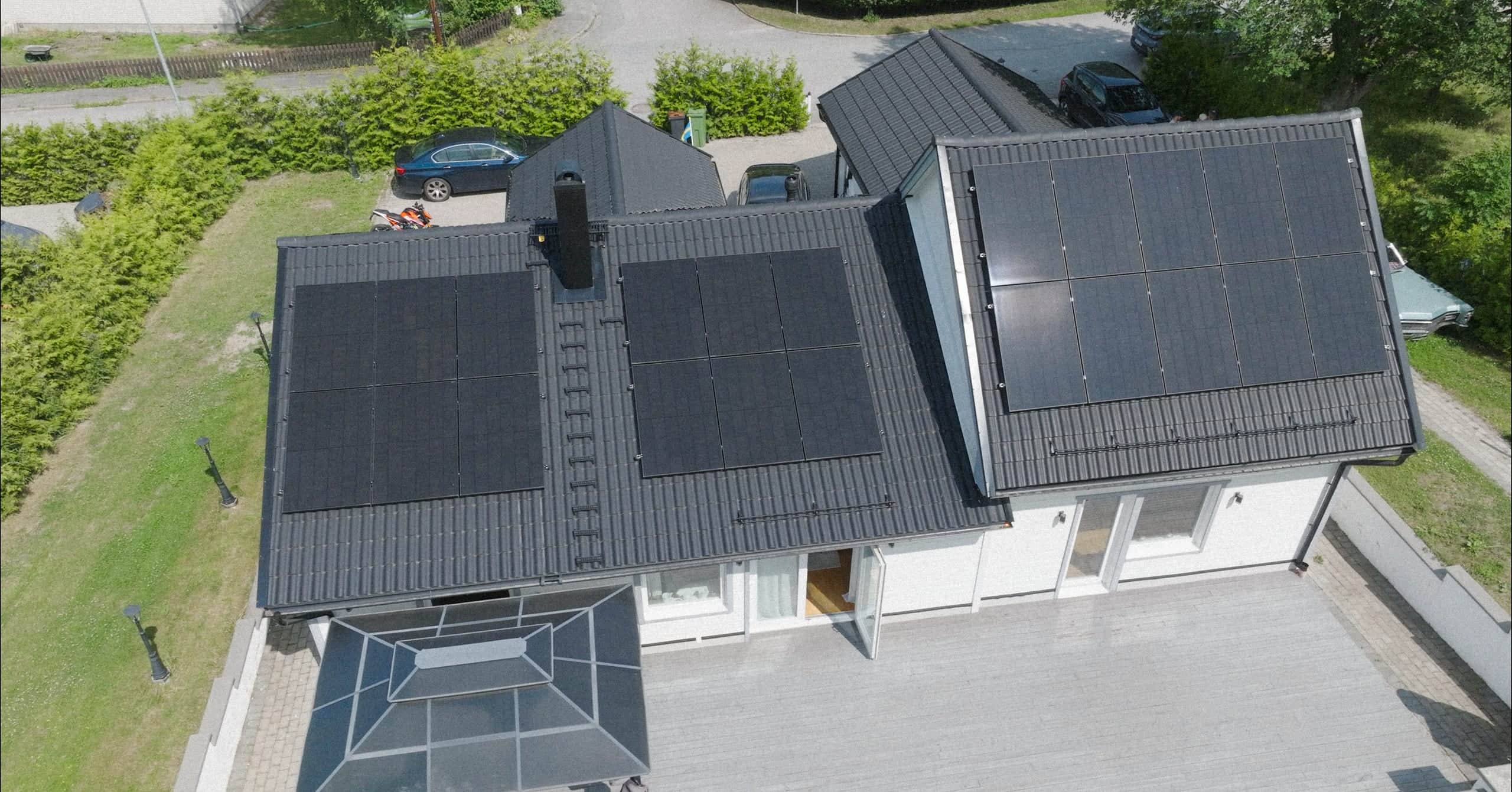
An energy subscription is a fixed monthly price for a home's power and heat. Only the CPI moves the price. Elvy owns and runs the equipment, no upfront cost.
- About Elvy
What happens to the subscription if I sell the house?
If you sell the house, you're not stuck. The subscription is transferable and passes to the next owner as part of the purchase. Or you buy the system out.
- About Elvy
Energy subscription for a group of neighbouring homes
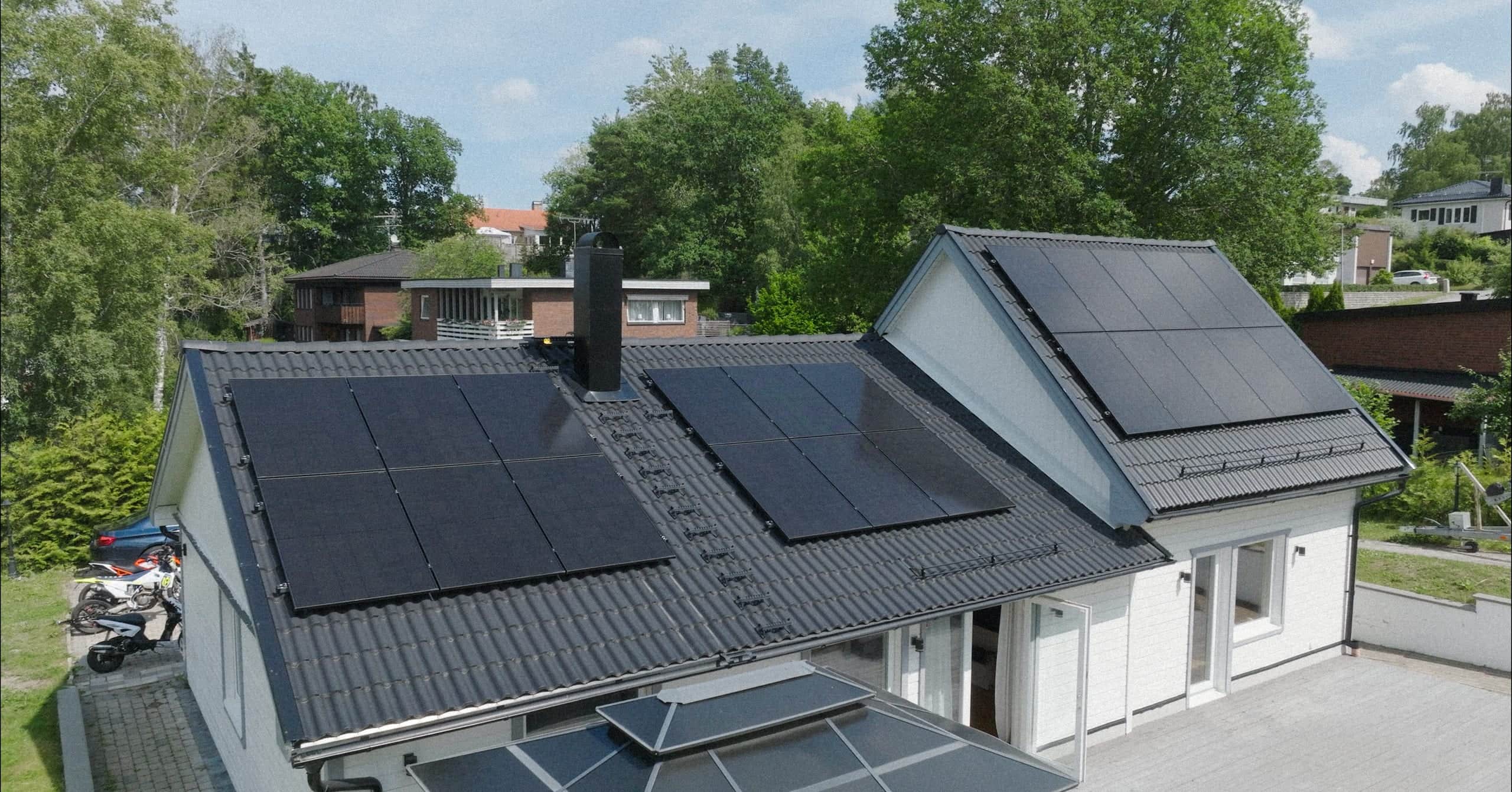
Yes, a group of neighbouring homeowners can get an energy subscription together. Installing several homes at once is more efficient and can lower the price.
0+
Homeowners no longer manage their own power and heat. They decided they had better things to do.
Curious to do the same?