Tired of comparing power companies? Bill still swings
You've switched power companies and read the fine print. The bill stays unpredictable. A contract only sets the markup; spot price and grid fee still move.

An electricity contract only governs the markup. The spot price and the grid fee move regardless of which company you pick, and together they are most of the bill. That is why the bill stays unpredictable even after a switch, and why comparing rarely solves the problem.
It almost always starts the same way. The bill arrives, it's higher than last month, and you think it's time to compare electricity companies again. You sit down with a few tabs open, maybe a comparison site, and try to work out what the actual difference is between variable, fixed and hourly pricing.
An hour later you've switched contracts. Three months later the bill is unpredictable all the same.
It isn't you who's doing something wrong. It's the exercise itself that doesn't solve the problem.
The spot price
The market price of electricity varies hour by hour and is driven by supply, weather and consumption across the Nordics. No electricity company can give you a different spot price than anyone else.
The grid fee
It's paid to your local grid operator, and you can't switch it. In many grids it makes up a significant part of the bill, especially where a capacity tariff applies.
Power peaks
If you use a lot of electricity in short bursts, for example when the oven, the EV and the heat pump are all running at once, it can affect your grid cost. A new electricity contract won't even that out.
How efficient your home is
An older heat pump and a poorly insulated house draw more electricity no matter which electricity company you have. That's where the biggest share of the cost arises in an electrically heated home.
When during the day you use your electricity
The difference between the cheapest and most expensive hours of the day can be several kronor per kilowatt-hour. Without controlling your consumption, the electricity contract affects only a small part of the total.
Why does it never feel settled once you've compared electricity companies?
The short explanation: an electricity contract governs only part of what you pay. The big thing moving beneath the bill is something else. The spot price, the grid fee, the capacity tariff and how you yourself use electricity across the day. When you switch electricity companies, you're negotiating the markup and the fixed fee. That's worthwhile, but it doesn't solve what actually creates the swings.
On a winter evening in February, when the whole neighbourhood is running EVs and heat pumps at the same time, it matters little which electricity company you have. The price per kilowatt-hour is high for everyone, and your grid fee can be tied to precisely that power draw. That's where the money is.
What a "cheap" electricity contract actually contains
The cheapest electricity company on a comparison site is usually cheap on one thing: the markup per kilowatt-hour. That's a small part of the total bill for an electrically heated home.
The rest is made up of the spot price, which varies hour by hour, energy tax, VAT, a monthly fee and the grid fee to your local grid operator. The markup might be a few öre. The spot price can swing by several kronor between the cheapest and most expensive hours of the day. That's why two homes on the same electricity contract can get completely different bills in the same month.
So why do I keep comparing anyway?
Because it's the only tool the market gives you. When the entire category is about choosing the right contract, that becomes the only thing you can optimise. It's like asking which car is cheapest to run without being told what petrol will cost next week.
Many homeowners describe the same thing in conversation: they've switched electricity companies several times, yet it never quite feels settled. It isn't a personal failing. It's a consequence of how the category is built.
What's the alternative to comparing electricity companies every year?
There's another way into the same problem. Instead of trying to buy electricity more cheaply, reduce how much of it you need to buy and control the rest so that you buy when it's cheapest.
That's what an energy subscription from Elvy does: solar panels, a battery and a heat pump as one system with no start-up fee, for a fixed monthly cost, with the control handled for you. How the model works in detail is covered in the guide to the best electricity contract.
Lowering your electricity cost today is less about hunting a cheaper contract and more about producing some of the electricity yourself and using it when the spot price is low.
Does Elvy's model suit everyone?
No. Someone with the capital, the technical interest and the desire to own and optimise everything themselves can do exactly that. The contract term is long, and it's a commitment to be taken seriously. What matters is understanding the whole picture, not just staring at a monthly fee or a markup.
For anyone who wants a predictable electricity cost and to be free of the comparison carousel one year at a time, the arrangement is a different way of looking at energy.
Comparing electricity companies is a rational act in an irrational system. You do everything right and still don't get the security you're after, because that's not where the security lies.
The question isn't which electricity company is cheapest this year. The question is what you want your bill to look like in five years.
Keep reading More to explore
- Electricity prices
What is a power tariff and how does it affect your bill?
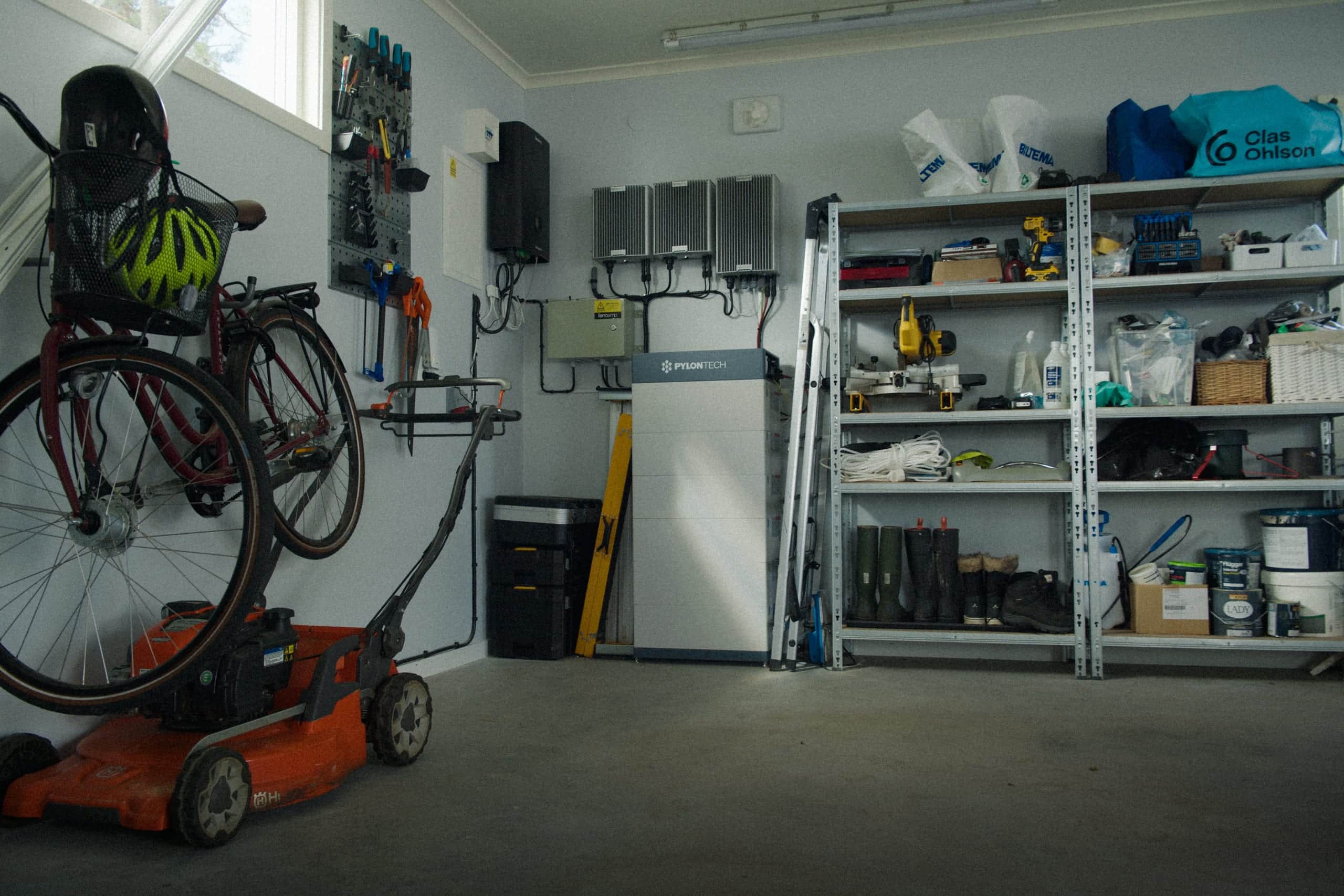
A power tariff is part of your grid fee that charges you for your highest power peak, not just the kilowatt-hours you use. A home battery can shave the peaks.
- Electricity prices
What is a spot price and how is it set?
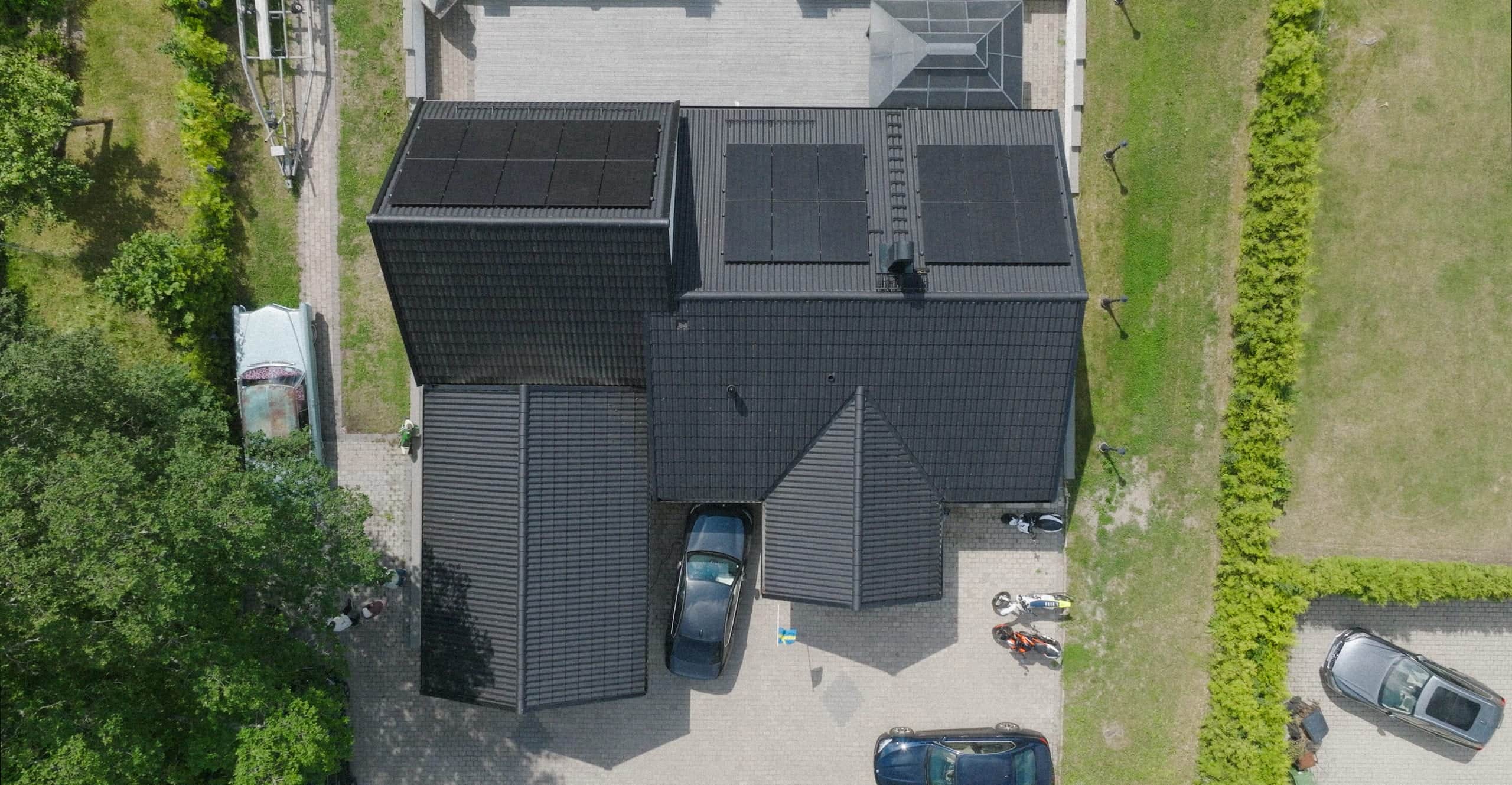
The spot price is electricity's market price hour by hour, set on the Nord Pool exchange. Every afternoon, tomorrow's 24 prices are set by supply and demand.
- Electricity prices
Electricity areas SE1-SE4: which one am I in, and why?
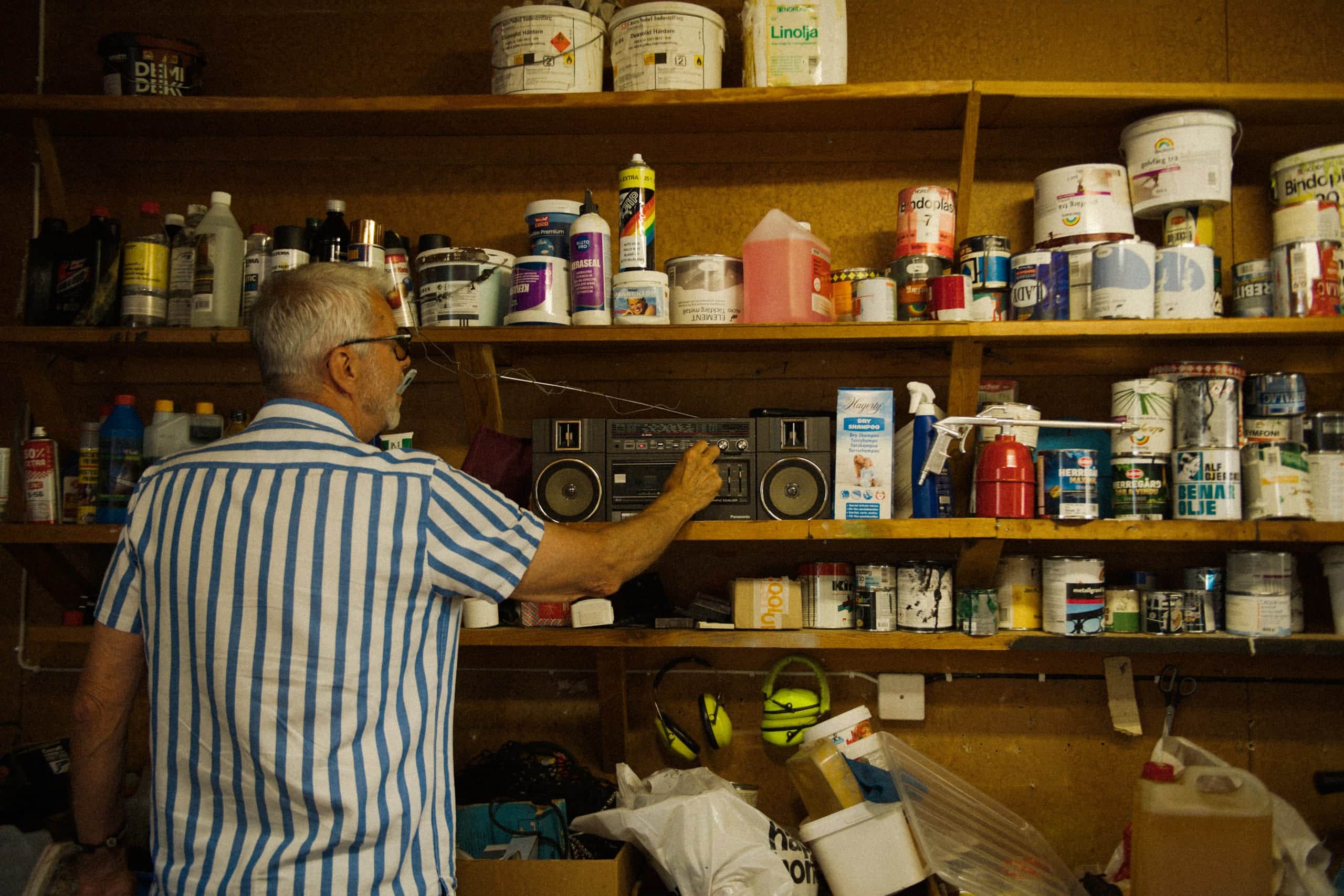
An electricity area is one of Sweden's four price regions, SE1-SE4. The south usually pays more than the north, because it uses most where it makes least.
0+
Homeowners no longer manage their own power and heat. They decided they had better things to do.
Curious to do the same?