Batteri
What does a home battery cost, and is it worth it?
What a home battery costs depends on the house, and the honest figure doesn't exist until someone has run the numbers on yours. Bought outright, it's a large investment with an uncertain payback. Whether it's worth it comes down to four things: the price gap between expensive and cheap hours, how much solar surplus you have, whether you pay a capacity tariff, and how long the battery lasts.
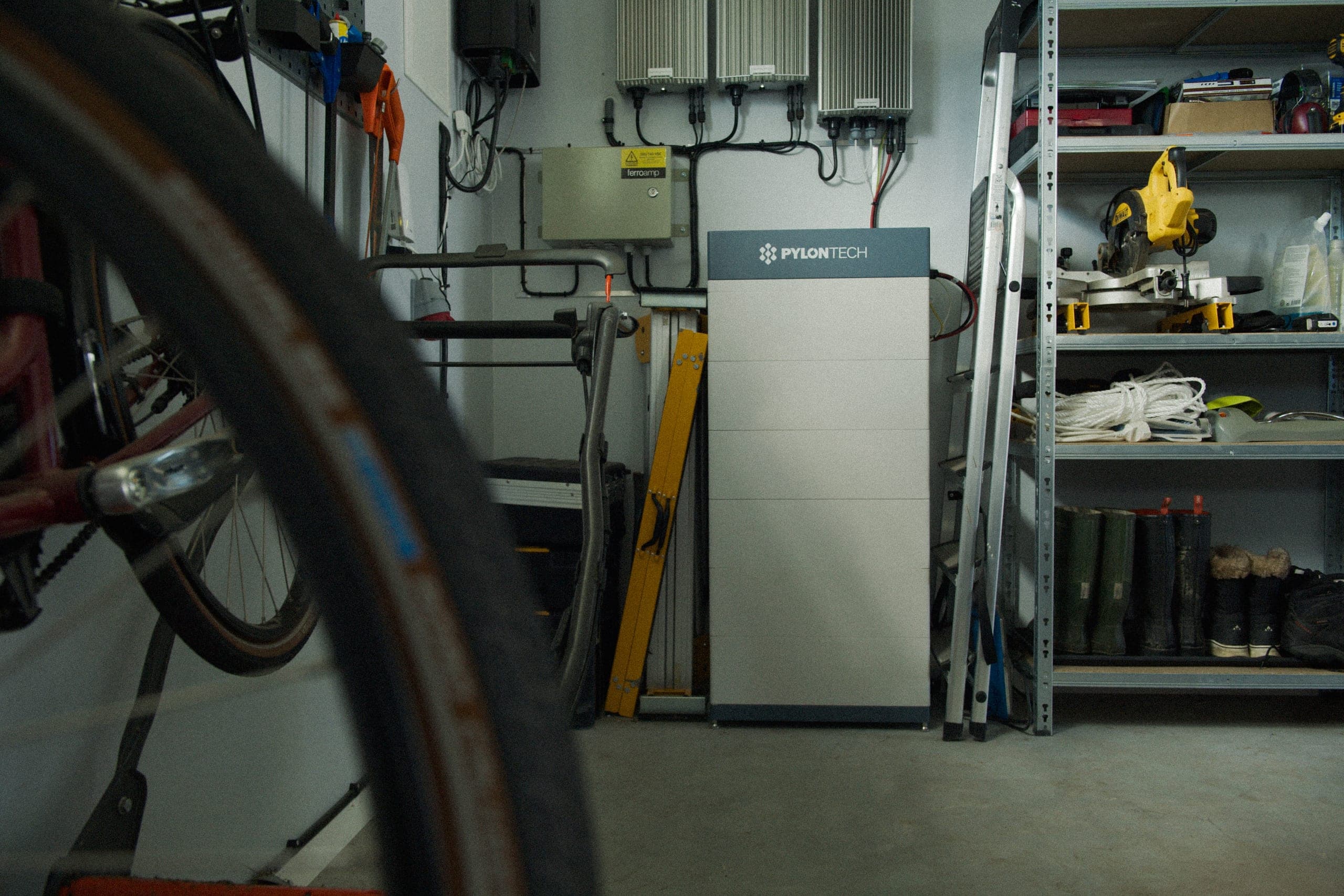
In an energy subscription you never ask that question. Elvy owns the battery, runs it and trades the electricity, so the value lands in a fixed monthly fee instead of a calculation you have to run yourself. Below we go through what sets the price, what makes a battery worth the money, and when it isn't.
What decides what a home battery costs?
First of all the size. A battery is measured in kilowatt-hours, and the more electricity you want to be able to store, the bigger it gets and the more it costs. Then come the inverter that converts the current, the mount on the wall and the electrician who runs the cables. There is no shelf price, because none of those things is the same in two houses.
So the price tag on the hardware is the easy part. The hard question isn't what the battery costs to buy, but what it gives back. And that's where it starts to depend on the household.
What makes a battery worth the money?
A battery earns its money by moving electricity in time. It charges when power is cheap and is used when it's expensive, and the difference between those hours is the first source of income. If the price gap is small, there's little to gain. If it's large, the battery is quickly worth more.
On top of that there's more to be had. If you have solar panels, the battery stores the day's surplus for the evening, instead of you selling cheap and buying dear. If you have a capacity tariff, the battery can shave the peaks when the oven and the electric car pull the most at once. And the battery can take part in support services that keep the grid stable, which Svenska kraftnät pays for. How much each of them gives varies over time.
Does a battery pay off without solar panels?
More slowly, and sometimes not at all. Without solar panels the battery has only one thing to live on: the price gap between cheap and expensive hours. If that gap is small in your area, the payback takes a long time, and then a battery isn't automatically worth the money on its own.
That's the whole point of doing the sums on the house rather than on the product. A battery standing alone is one thing. The same battery together with solar panels and a heat pump that draws power at night is something else entirely. The parts make each other pay off, and that's why Elvy sells them only together.
How long does a home battery last?
A battery wears from being charged and discharged, not from getting old in itself. Its life is measured in cycles, that is, how many times it can be filled and emptied before it loses capacity. A battery that's meant to pay for itself over many years also has to last those years, or the gain is eaten up by replacing it.
That's a risk you carry yourself if you own the battery. If it wears out faster than planned, it's your cost. In a subscription it's Elvy's, because we own the equipment and replace it when it needs replacing.
Why is the payback time so hard to calculate?
Because almost everything in the calculation moves. The price gap between the hours changes from day to day. The payment for support services varies. The solar surplus depends on the roof and the season. An online calculator that promises an exact payback time has been forced to guess at all of those things, and a guess doesn't become truer for sitting in a box.
The only figure that means anything is the one worked out on your house. If you want a number, the honest answer is that it depends on the house, and the number comes from Elvy's energy analysis, not from a table.
What does the cost look like with Elvy?
Like a line on the monthly fee, not like an investment. Elvy owns the battery, installs it, runs it and trades the electricity for you. No upfront cost, no loan, and no payback time you have to keep an eye on yourself. The optimisation against the spot price, the power peaks and the support services happens in the background.
You pay a known amount and skip the calculation. Whether a battery pays off for your particular house is still a real question, but it's our job to work out, not yours. The most exciting thing about the battery should be that you forget it's there.
Keep readingMore to explore
- Batteri
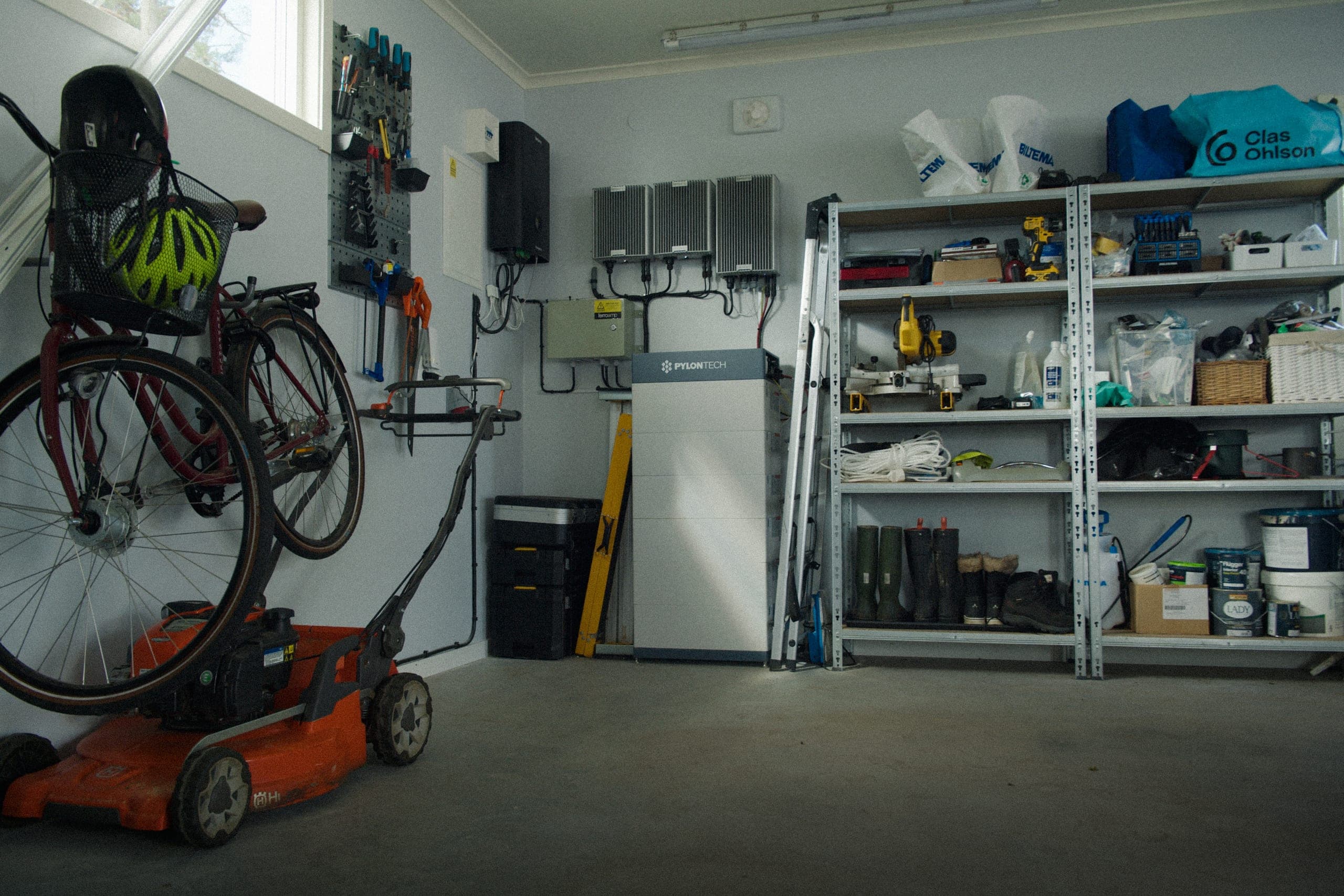
How big a home battery do I need?
The right size for a home battery is measured in kilowatt-hours and depends on what you want it to do: cover the evening after a sunny day, shift usage to cheap hours, shave power peaks, or ride out a power cut. Bigger isn't automatically better. The right size is house-specific and comes from an analysis, not a rule of thumb.
- Om Elvy
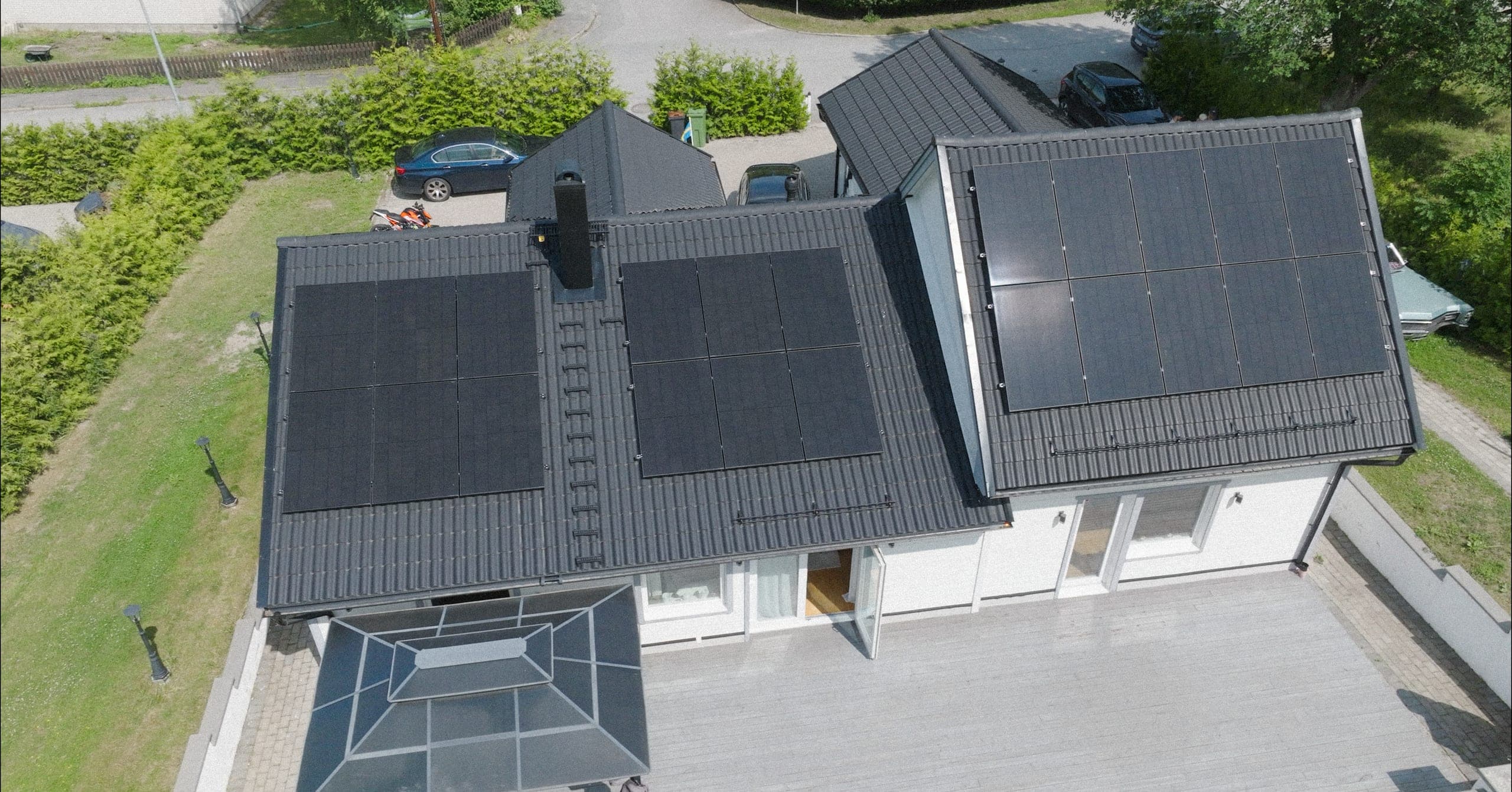
What is an energy subscription, and how does it work?
An energy subscription is a fixed monthly price for your whole home's electricity and heat. Elvy installs, owns and runs the system for you. No upfront cost, the same price for 15 years. Here's how it works, and when it fits.
- Elpriser
What is a power tariff, and how does it affect my electricity bill?
A power tariff is part of your grid fee that charges you for your highest power peak, not just for the number of kilowatt-hours. The more you draw at one time, the higher the fee. A home battery can shave the peaks for you automatically. Here's how the power tariff works, and when it's actually an advantage.
0+
Homeowners no longer manage their own power and heat. They decided they had better things to do.
Curious to do the same?