Om Elvy
What is an energy subscription, and how does it work?
An energy subscription is a fixed monthly price for your whole home's electricity and heat. Elvy installs, owns and runs the system for you. No upfront cost, the same price for 15 years. Here's how it works, and when it fits.
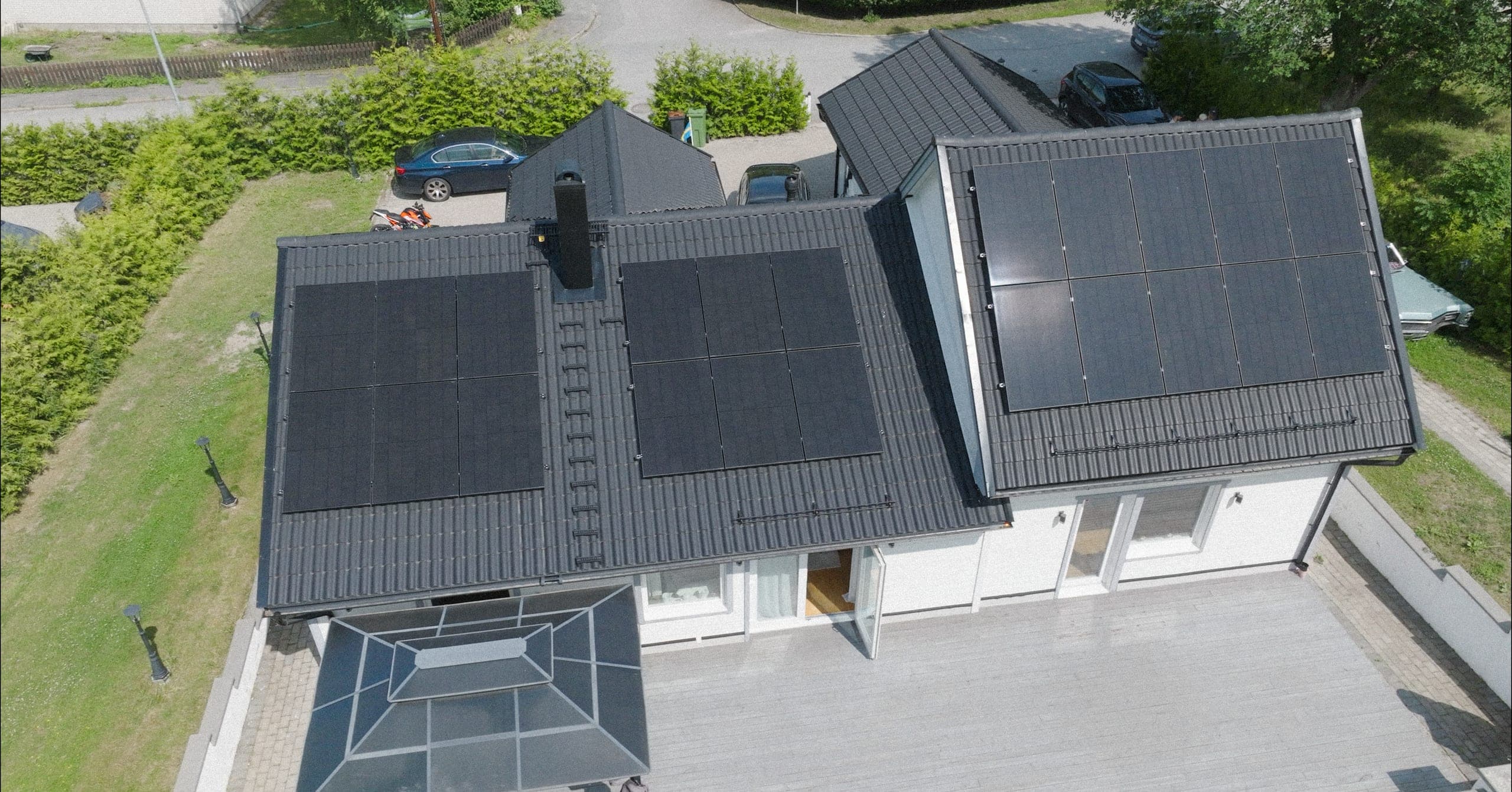
An energy subscription is a fixed monthly price for your whole home's electricity and heat. Elvy installs a heat pump, solar panels and a battery, owns the equipment, runs it and optimises it for you. No upfront cost, the same price for 15 years, no spot-price worry. You live as usual, we keep the system running.
The idea is that energy should work like any other service. You pay a known amount each month and skip both the large investment and the homework of watching the electricity price. Below we cover what's included, how the price is set, who owns what, and when the model fits and when it doesn't.
What's included in an energy subscription?
Everything that runs the house on its own electricity and heat, as one connected system. The heat pump handles heating and hot water, the solar panels make electricity by day and the battery saves it for the evening. Elvy handles the installation, the service, the round-the-clock monitoring and the ongoing optimisation against the electricity price.
The three parts are sold only together, because they make each other efficient. The heat pump draws power, the solar panels produce it, and the battery moves it to the right hour. On their own they each solve a piece. Together they become a whole that pays off, and that's why you can only get them as a subscription.
How is the price set?
There is no list price. The price is set individually from an energy analysis of your house, because a list price would just be a guess. Five things weigh heaviest: the size of the house, its location, how you heat today, the roof and its solar exposure, and your consumption.
The more area to heat and the more electricity you use, the bigger the system. A house in northern Sweden needs more heat than one in the south. The step up from direct electric heating is bigger than the step from a newer heat pump. The analysis works out the system your house actually needs, and the price follows from that.
What's in the monthly price?
A fixed amount covering the system, the installation, the operations guarantee and the ongoing optimisation. If something breaks, whether it's the heat pump, the battery or the inverter, it's Elvy's job to fix it at no extra cost. The price stays fixed for the whole 15-year term and is adjusted once a year by the consumer price index, never by the spot price.
No setup fee, no upfront cost. You tie up no capital and take no loan for the equipment. The same amount in January as in July.
Do I own the equipment?
No. Elvy owns the system and finances it, so you skip the investment. You can buy the system out if you want, and the subscription can be transferred if you sell the house. For a buyer, a house with a finished energy system and a predictable monthly price can be an advantage.
Not owning the equipment is the whole point. You don't need to own it to get the saving, and you skip the responsibility for repairs and technology changes as the equipment ages.
How does Elvy make money?
Elvy owns the system and trades the electricity. We buy when it's cheap, sell the surplus, and let the battery take part in support services that stabilise the grid, which Svenska kraftnät pays for. Over the term we earn back the cost of the system at scale.
It's not a model where Elvy profits from you losing out. The optimisation is done with the goal that the whole thing comes out positive for you. If a move on the electricity market would give you a higher grid fee, it's avoided as far as possible.
When does an energy subscription fit, and when not?
It doesn't fit everyone. If you have the capital, the technical interest and want to own, optimise and run it all yourself, there are good reasons to do that. You also take the whole surplus and the full upside.
But most homeowners don't want to become energy experts. They want a warm house, a predictable bill and a daily life where the electricity just works. At heart the choice is about where the risk should sit: own it and carry it yourself, or pay a fixed amount to be rid of it. Elvy is available today for villas and houses across Sweden, but not yet for flats.
Keep readingMore to explore
- Om Elvy
What happens if I sell the house? Moving with an energy subscription
If you sell the house, you're not stuck. The subscription is transferable and passes to the next owner as part of the purchase, so you don't stay tied to a contract for a house you've left. For the buyer, a finished, optimised energy system comes with a known monthly cost and no large investment. If you'd rather buy the system out, you can.

- Elpriser
What is a power tariff, and how does it affect my electricity bill?
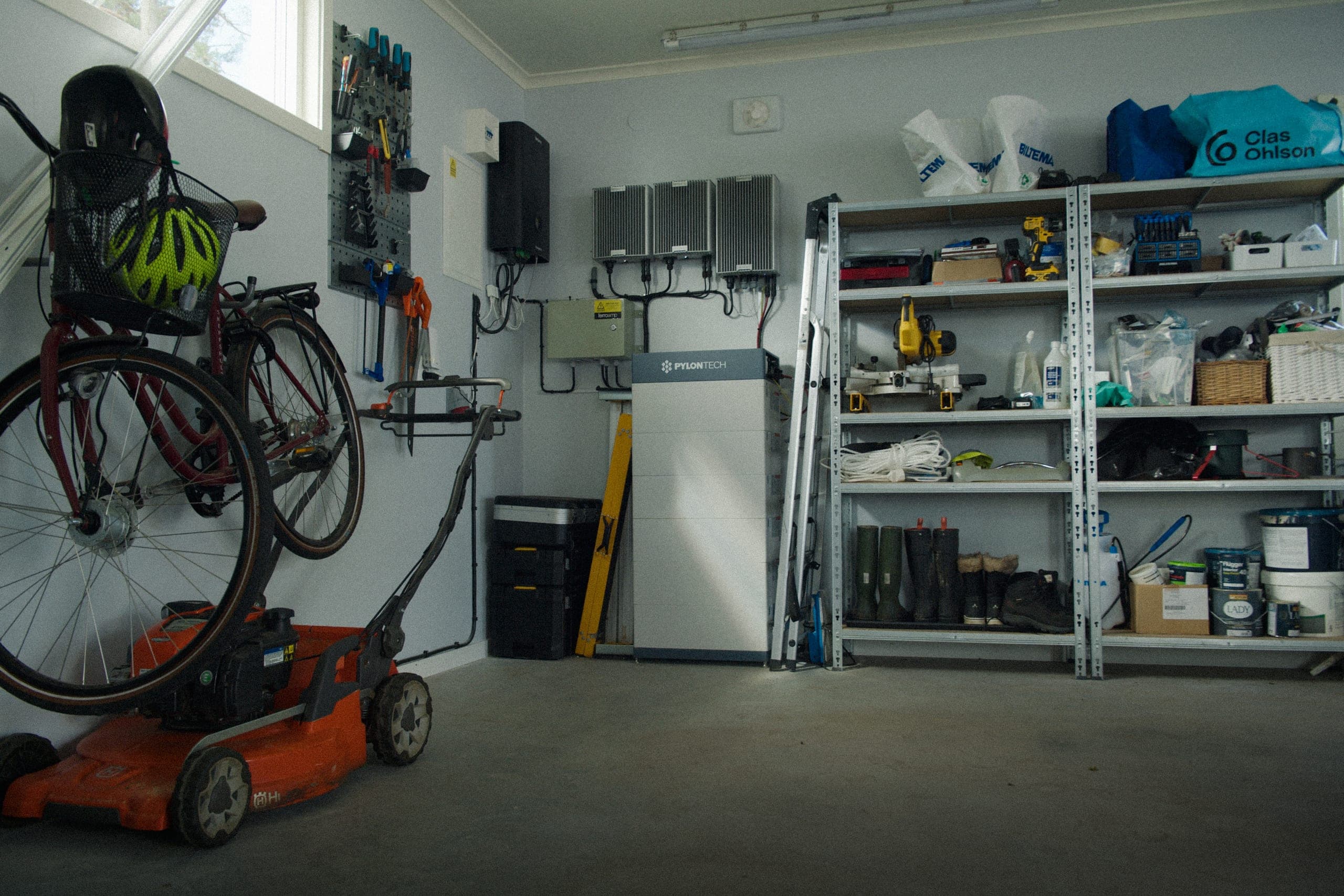
A power tariff is part of your grid fee that charges you for your highest power peak, not just for the number of kilowatt-hours. The more you draw at one time, the higher the fee. A home battery can shave the peaks for you automatically. Here's how the power tariff works, and when it's actually an advantage.
- Batteri
What does a home battery cost, and is it worth it?
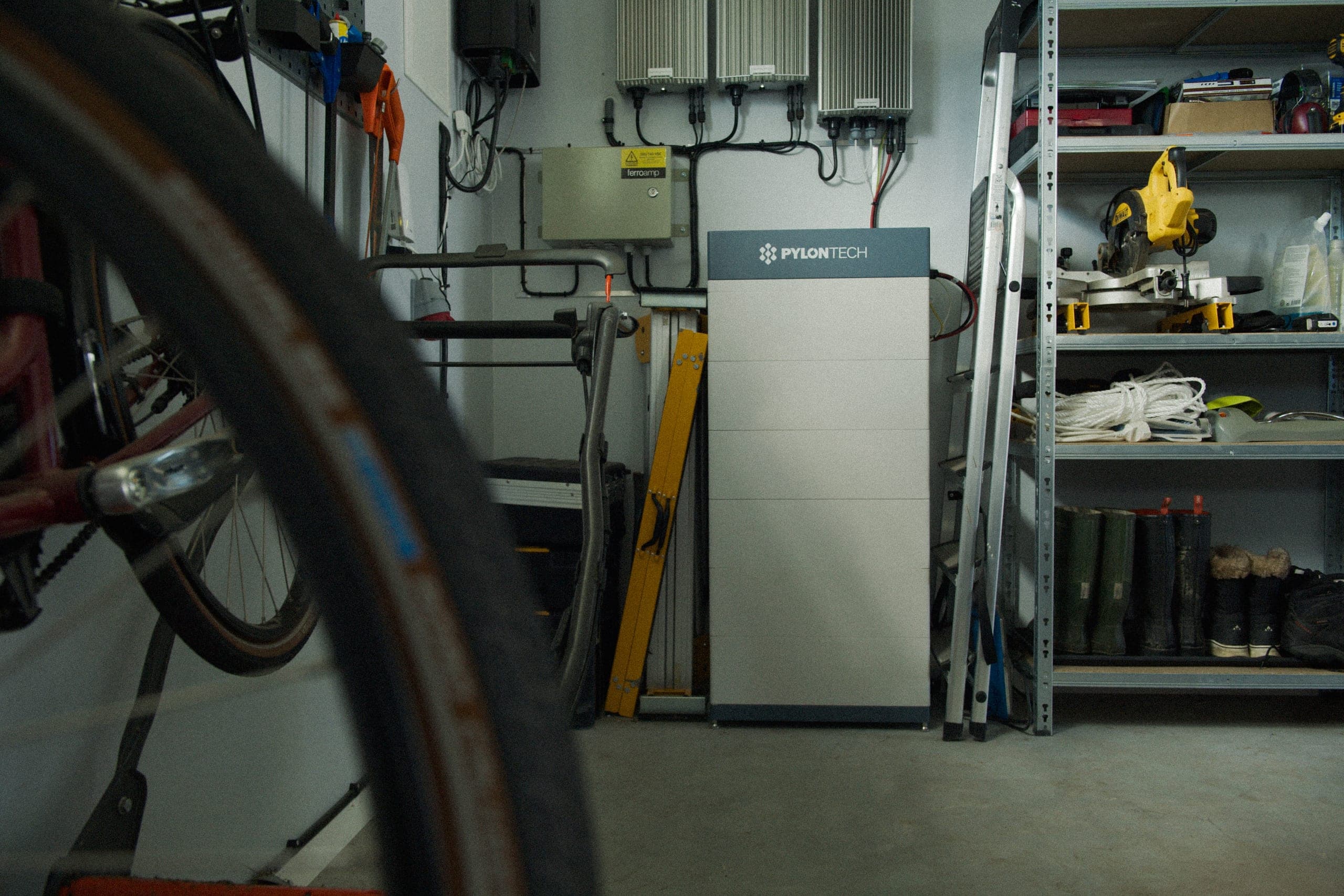
What a home battery costs depends on the house, and the honest figure doesn't exist until someone has run the numbers on yours. Bought outright, it's a large investment with an uncertain payback. Whether it's worth it comes down to four things: the price gap between expensive and cheap hours, how much solar surplus you have, whether you pay a capacity tariff, and how long the battery lasts.
0+
Homeowners no longer manage their own power and heat. They decided they had better things to do.
Curious to do the same?