Batteri
How big a home battery do I need?
The right size for a home battery is measured in kilowatt-hours and depends on what you want it to do: cover the evening after a sunny day, shift usage to cheap hours, shave power peaks, or ride out a power cut. Bigger isn't automatically better. The right size is house-specific and comes from an analysis, not a rule of thumb.
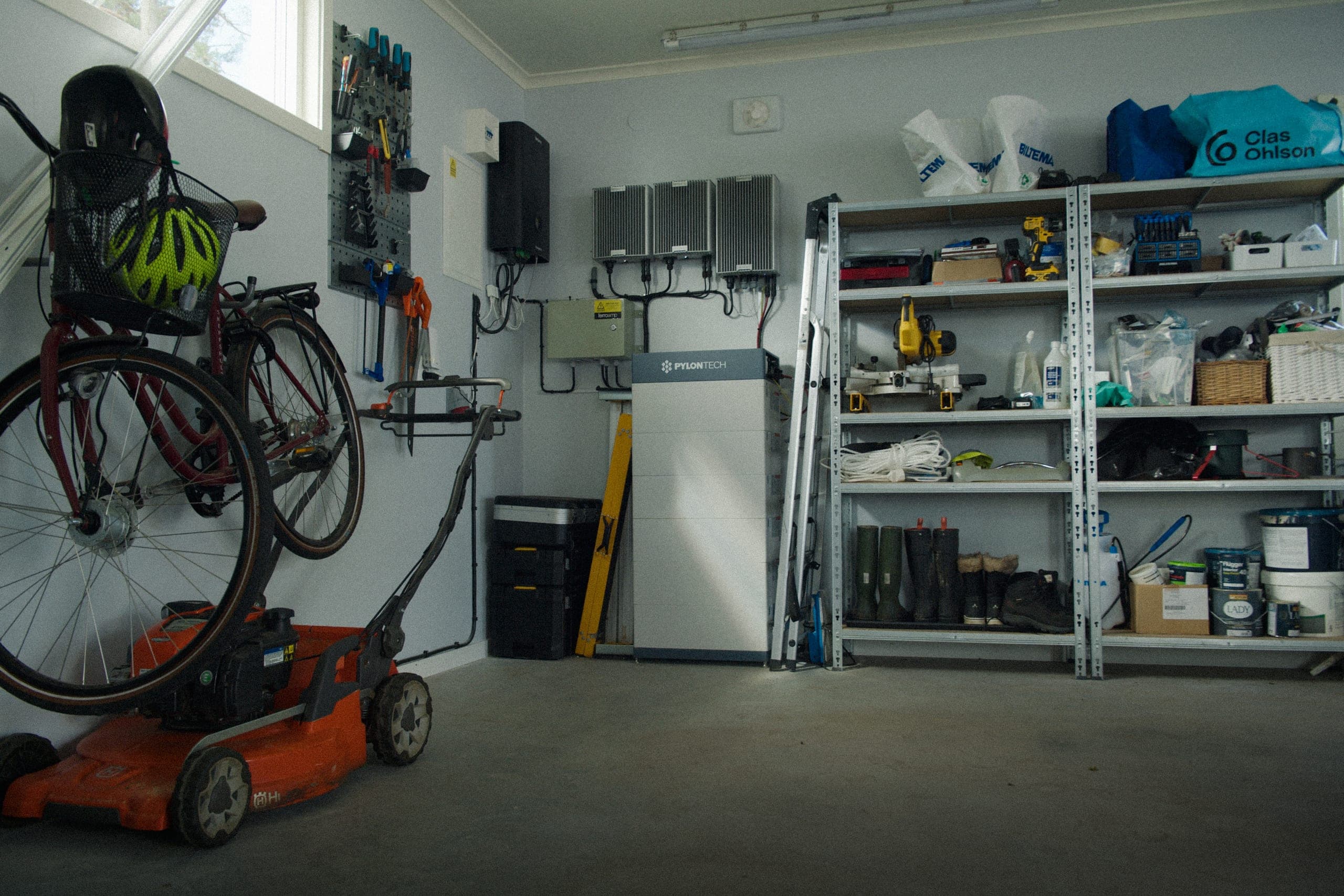
The right size for a home battery is measured in kilowatt-hours and depends on what you want it to do: cover the evening after a sunny day, shift usage to cheap hours, shave power peaks, or ride out a power cut. A bigger battery costs more and, past a point, sits half-empty. Too small and it's full by lunch and does nothing at night. The right size is house-specific.
Rules of thumb online give you a number for an average house, not yours. What you use, when you use it, how much roof you have and whether you charge an EV weigh more than the number of square metres. Below we cover what the size is measured in, what determines it, what happens when it's wrong in either direction, and how you get the right number for your own house.
What does battery size mean?
How much energy the battery holds, measured in kilowatt-hours. A kilowatt-hour is the same unit on your electricity bill: the energy used when something drawing one kilowatt runs for an hour. So the size tells you how much electricity the battery can store and give back before it's empty.
Power is a separate thing. The size decides how long the battery lasts, the power how much it can deliver at once. A large battery that can only give a little at a time does poorly against a power peak, and the other way round. Both have to fit the house, but it's the size people mean when they ask how big.
What should the battery do?
That settles everything else. A battery can do four things, and they need different amounts of room. It can save the day's solar electricity for the evening, when you're actually home using it. It can charge when electricity is cheap and empty when it's expensive. It can shave the power peaks so the grid fee drops. And it can keep the house running for a while during a power cut.
If you only want to move solar power to the evening, less is enough than if the battery also has to ride out the night, charge the EV cheaply and back up the house. The more jobs you give it, the bigger it needs to be. So the first question isn't how many kilowatt-hours, but what the battery is for.
What determines the right size?
Four things weigh heaviest: how much electricity you use and when, how large your solar array is, whether your grid company charges a power fee, and whether you charge an EV at home. A house with steady usage needs less buffer than one where everything happens in the evening. A large solar array makes more surplus in the middle of the day, and then there's more to save for the evening.
The EV weighs heavily. It draws a lot and often in the evening, right when the sun is gone, so a house with a charging car usually needs more battery than one without. If you also have a power fee, there's more to gain from shaving the peaks. It's the interplay between these things that gives the size, not any one of them alone.
What happens if the battery is too small?
It gets full in the middle of the day and empty long before morning. On a sunny day it finishes charging by lunch, and the rest of the solar power goes out to the grid instead of into the house. In the evening it empties fast, and then you're back on the grid at full price just when electricity tends to be at its most expensive.
So a battery that's too small never gets to do what you bought it for. It shaves a bit of the evening but not the whole of it, and the night it can't handle at all. You notice it as the saving never getting as big as you expected.
What happens if the battery is too big?
Then you're paying for capacity that sits unused. A battery bigger than the house can fill and empty over a day never gets fully used. Half of it stands waiting for solar power that doesn't come or a usage that never gets that high. You've spent money on room you don't touch.
So bigger isn't automatically better. Past a point, every extra kilowatt-hour buys less and less benefit, because there isn't enough sun or usage to fill it. The expensive truth is that an oversized battery is mostly wasted money. The best size sits where the battery fills and empties almost every day, and that point is different for every house.
How do I know the right size for my house?
Through an analysis of the house, not a rule of thumb. The right size falls out once you know how much you use and when, how much roof you have, how you heat, whether you charge an EV and how your grid company charges. Those things aren't in a general recommendation, they're in your house. That's why a number from an article is never more than a guess.
With Elvy you don't have to guess. The battery is sized from your energy analysis and put together with the heat pump and solar panels as one whole, and Elvy owns and runs it. If the conditions change, it's our job to sort out, not yours. You skip both the arithmetic and the risk of buying the wrong size.
Keep readingMore to explore
- Batteri
What does a home battery cost, and is it worth it?
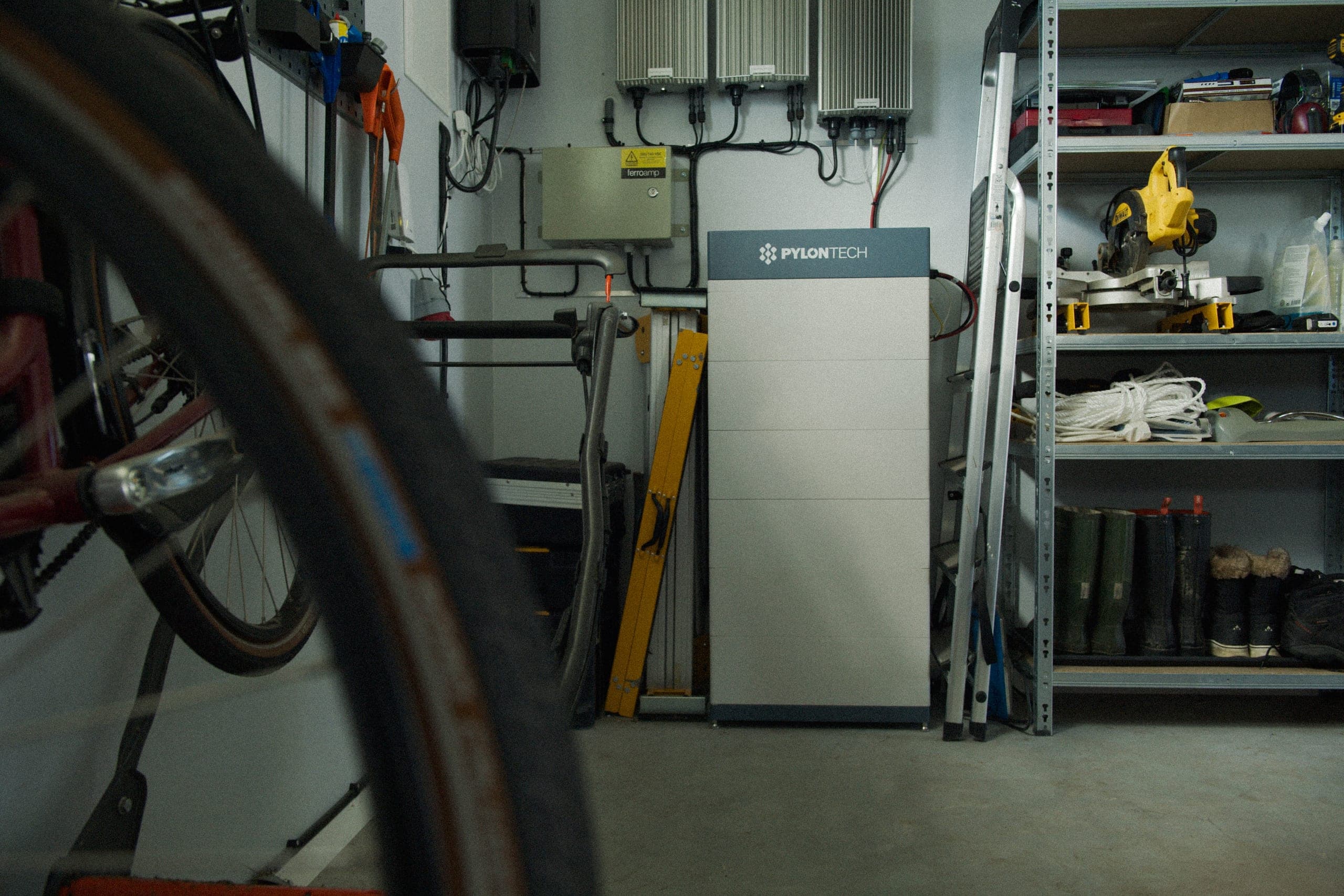
What a home battery costs depends on the house, and the honest figure doesn't exist until someone has run the numbers on yours. Bought outright, it's a large investment with an uncertain payback. Whether it's worth it comes down to four things: the price gap between expensive and cheap hours, how much solar surplus you have, whether you pay a capacity tariff, and how long the battery lasts.
- Om Elvy
What is an energy subscription, and how does it work?
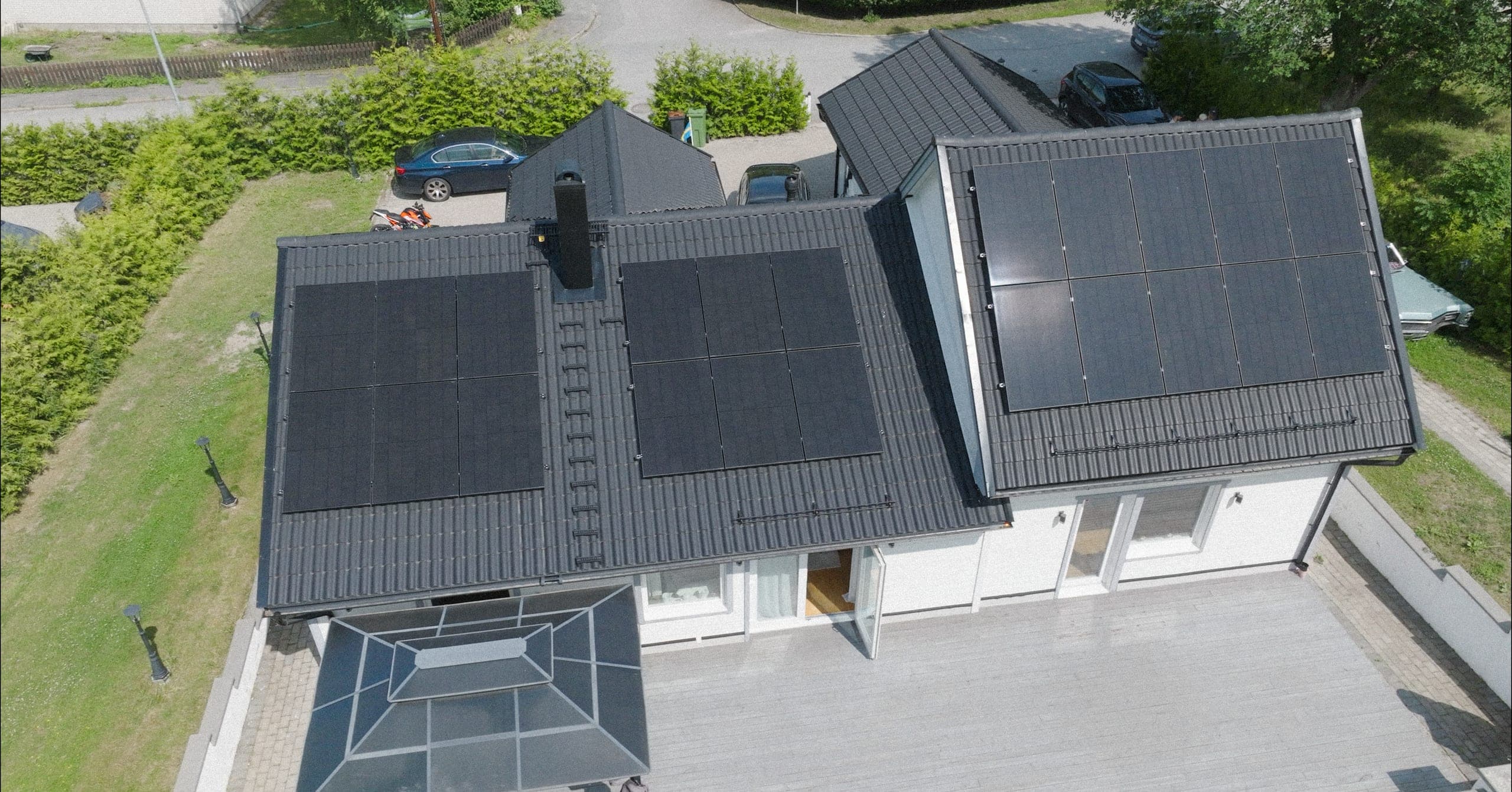
An energy subscription is a fixed monthly price for your whole home's electricity and heat. Elvy installs, owns and runs the system for you. No upfront cost, the same price for 15 years. Here's how it works, and when it fits.
- Elpriser
What is a power tariff, and how does it affect my electricity bill?
A power tariff is part of your grid fee that charges you for your highest power peak, not just for the number of kilowatt-hours. The more you draw at one time, the higher the fee. A home battery can shave the peaks for you automatically. Here's how the power tariff works, and when it's actually an advantage.
0+
Homeowners no longer manage their own power and heat. They decided they had better things to do.
Curious to do the same?