Elpriser
What is a power tariff, and how does it affect my electricity bill?
A power tariff is part of your grid fee that charges you for your highest power peak, not just for the number of kilowatt-hours. The more you draw at one time, the higher the fee. A home battery can shave the peaks for you automatically. Here's how the power tariff works, and when it's actually an advantage.
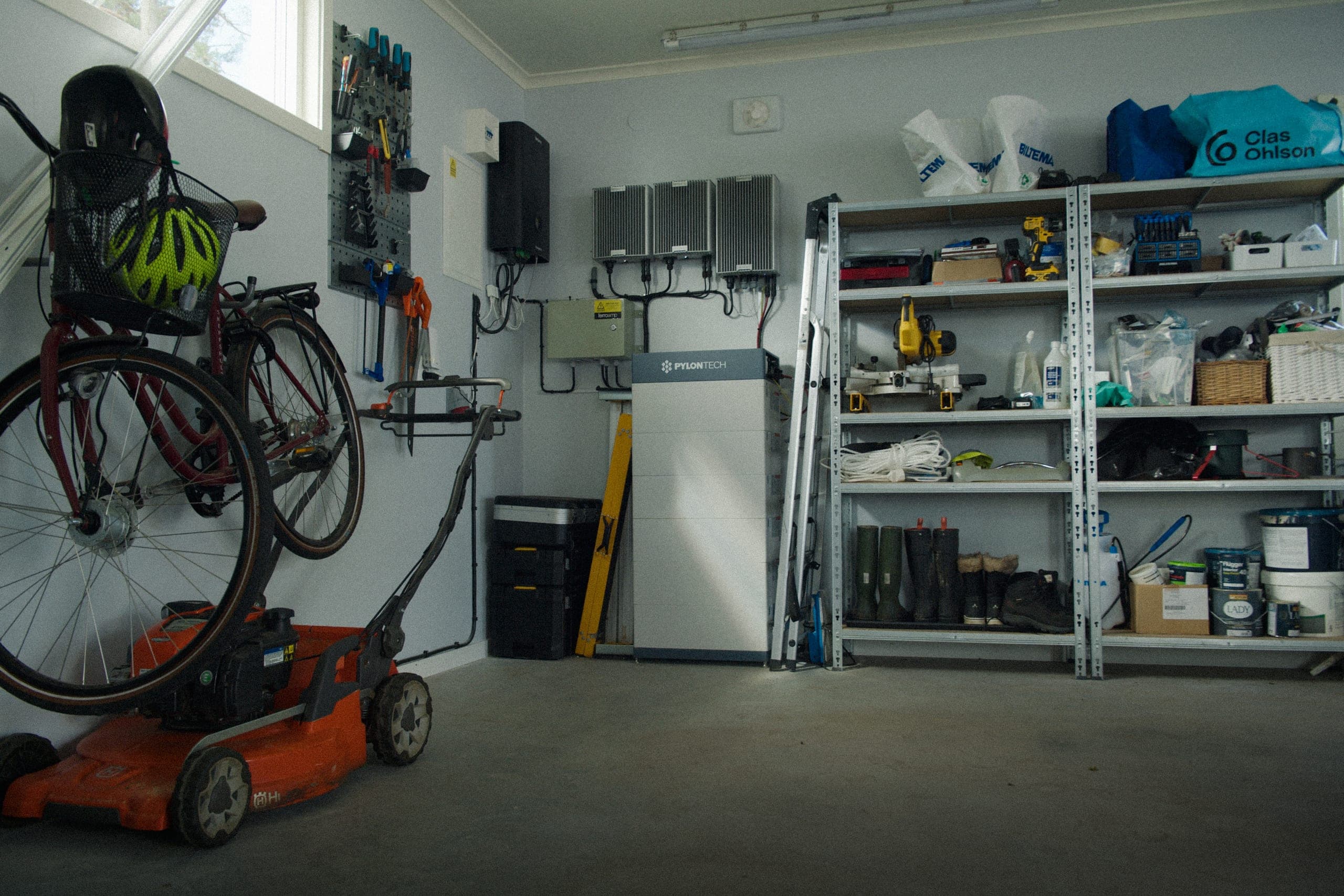
A power tariff is part of your grid fee that charges you for how much electricity you draw at once, rather than for your total consumption over the month. What it measures is your highest power peak: the moment when the most things are running at the same time. More and more grid operators are switching to this model, and when you draw power starts to matter as much as how much.
For most households this is new. Your electricity bill has two parts: the electricity itself, which you buy from a supplier, and the grid fee to the company that owns the lines to your house. The power fee sits inside the grid fee. Below we go through what it is, why it's being introduced, how the peak is measured, what drives it up, and how a battery can shave it for you without you having to think about it.
What is a power tariff?
A charge based on your highest power, measured in kilowatts, not on your total consumption in kilowatt-hours. The difference is simple: kilowatt-hours measure how much electricity you use over time, power measures how much you draw right now. Run the stove, the washing machine, the car charger and the heat pump at once and your power is high, even if it only lasts a short while.
Think of it as the difference between how far you drove and how fast you drove. The power fee cares about the speed record. A single quarter-hour with everything on can set the price for the whole month.
Why are grid operators introducing power tariffs?
Because the grid is sized for the peaks, not the average. Lines, transformers and fuses have to handle the moment when everyone in the area draws the most, a cold winter evening when dinner is being cooked and the cars are charging at the same time. That capacity costs money to build and maintain, even during the hours it sits unused.
As more people get an electric car and a heat pump, the peaks grow faster than total consumption. A power tariff makes you pay for the load you actually put on the grid. The idea is to steer away the worst peaks so the grid lasts longer without being expanded.
How is the peak measured?
Usually the grid company looks at your highest hour or quarter-hour during the month, sometimes an average of the peaks from your three highest days. The exact method varies between companies, so it's on your grid invoice and on the operator's site. But the principle is the same everywhere: it's your worst moment that counts, not your average.
That means steady use is punished more mildly than jerky use. Two households can draw the same number of kilowatt-hours in a month and still get a different power fee, if one takes it all at once and the other spreads it out.
What drives up my power peak?
Everything that comes on at the same time. The car charger is the most common culprit, it draws a lot and often in the evening when you get home. Stack it on top of the oven, the induction hob, the laundry and a heat pump working hard in the cold, and it peaks fast. It's not the appliances on their own that are the problem, it's that they collide in time.
Winter makes it worse. The heat pump draws the most when it's coldest, which is the same evenings you're home using everything else. The peak and the cold fall together.
What can I do about it?
Spread out your use. Charge the car at night instead of the moment you get home, run the washing and the dishwasher when nothing else heavy is on, and avoid starting everything in the same quarter-hour. That lowers the peak without you using less electricity overall.
The catch is that it takes keeping track of it, every day, all year. Most people don't have the energy to schedule their life around a power tariff. And the cold evening when you really need the heat is also the one where the peak is most expensive to avoid by hand.
How does a battery help?
A home battery shaves the peak for you. When several things come on at once, the battery covers part of the power instead of it all being pulled from the grid at the same time. Your measured peak comes out lower, even if you don't change a single habit in the house.
At Elvy the optimisation handles it automatically. The system knows when the car is charging and when the heat pump is working hardest, and discharges the battery at the right moment to flatten the curve. You notice nothing, and it's part of the fixed monthly price. What the grid company charges for power is something you never have to work out.
When is a power tariff actually a good thing?
When you already use electricity evenly. A power tariff rewards whoever spreads their consumption out and penalises whoever takes it all at once. If you have no big, simultaneous peaks, the fee can end up lower than a model that only counts kilowatt-hours. It's not a penalty, it's a price on load.
What makes it tricky is that it moves the planning onto you. What makes it manageable is that a battery and a bit of optimisation take that planning over. Then the new model is mostly an advantage: you pay for a low peak without having to think about it.
Keep readingMore to explore
- Elpriser
What is a spot price, and how is the electricity price set?
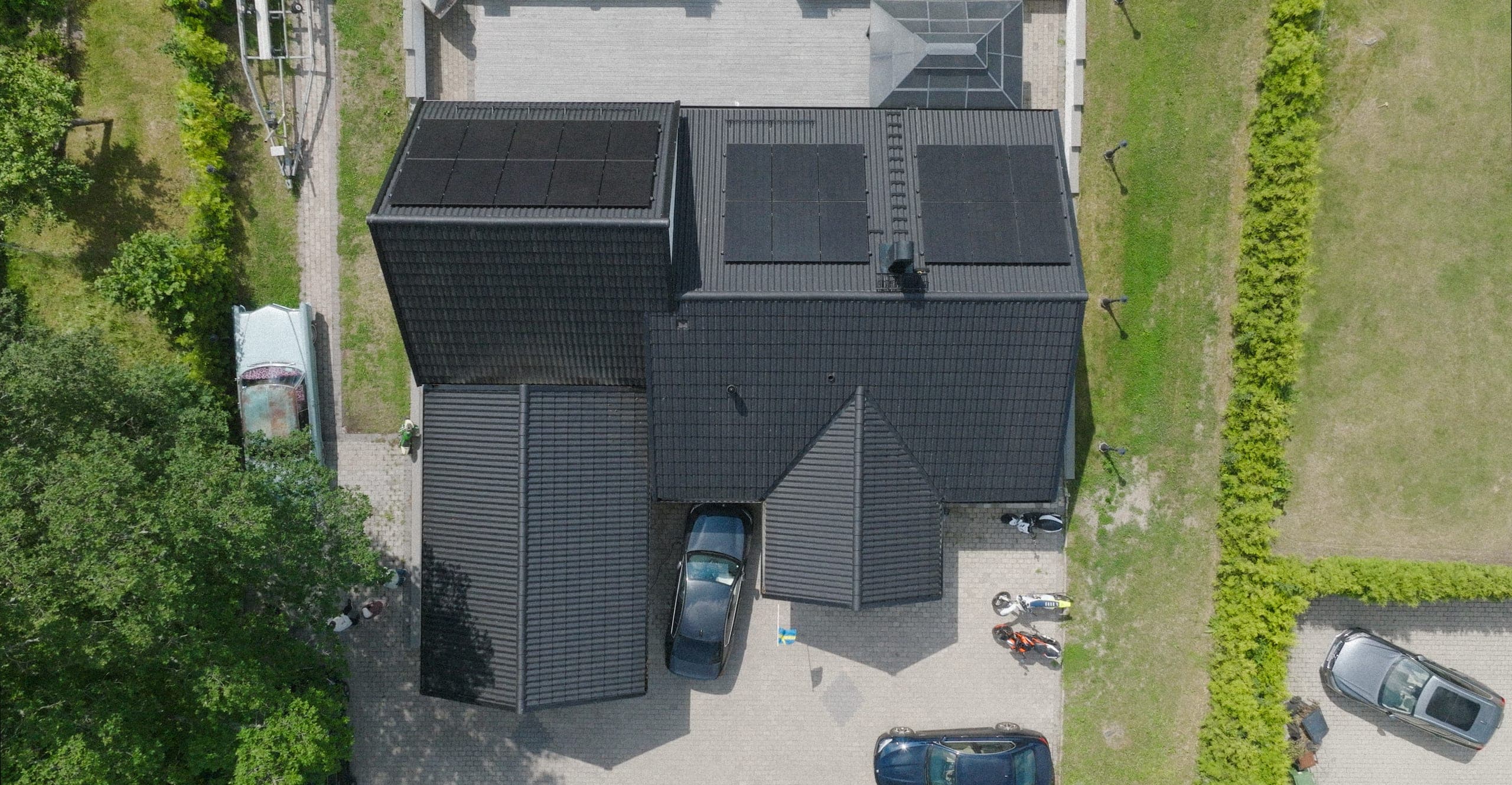
The spot price is the market price of electricity hour by hour, set on the Nordic power exchange Nord Pool. Every afternoon, tomorrow's 24 hourly prices are settled by supply and demand. Weather, wind and cold make it swing hard. On a variable contract, your bill follows along. Here's how the price is set, and why no one can predict it.
- Om Elvy
What is an energy subscription, and how does it work?
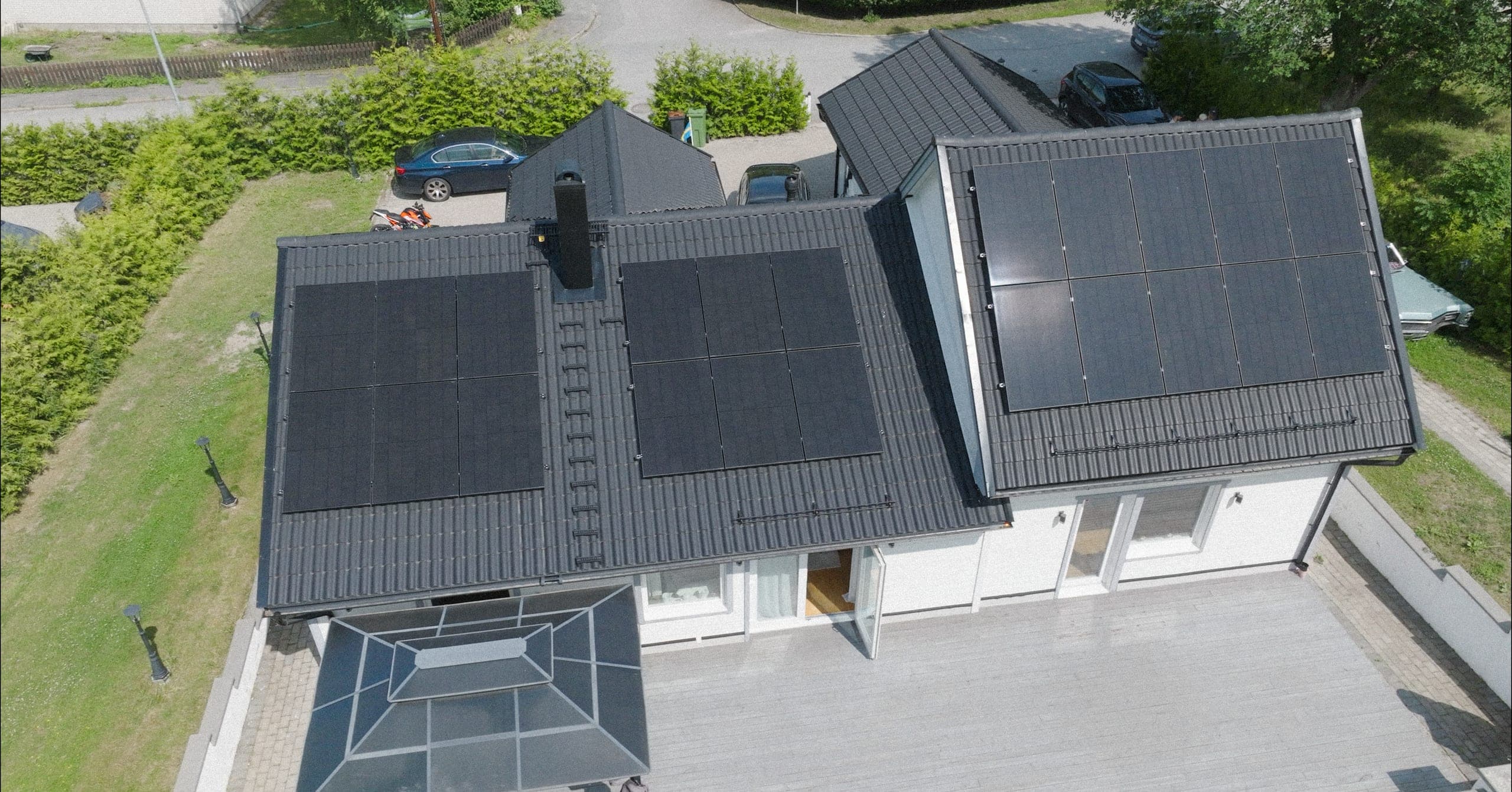
An energy subscription is a fixed monthly price for your whole home's electricity and heat. Elvy installs, owns and runs the system for you. No upfront cost, the same price for 15 years. Here's how it works, and when it fits.
- Batteri
What does a home battery cost, and is it worth it?
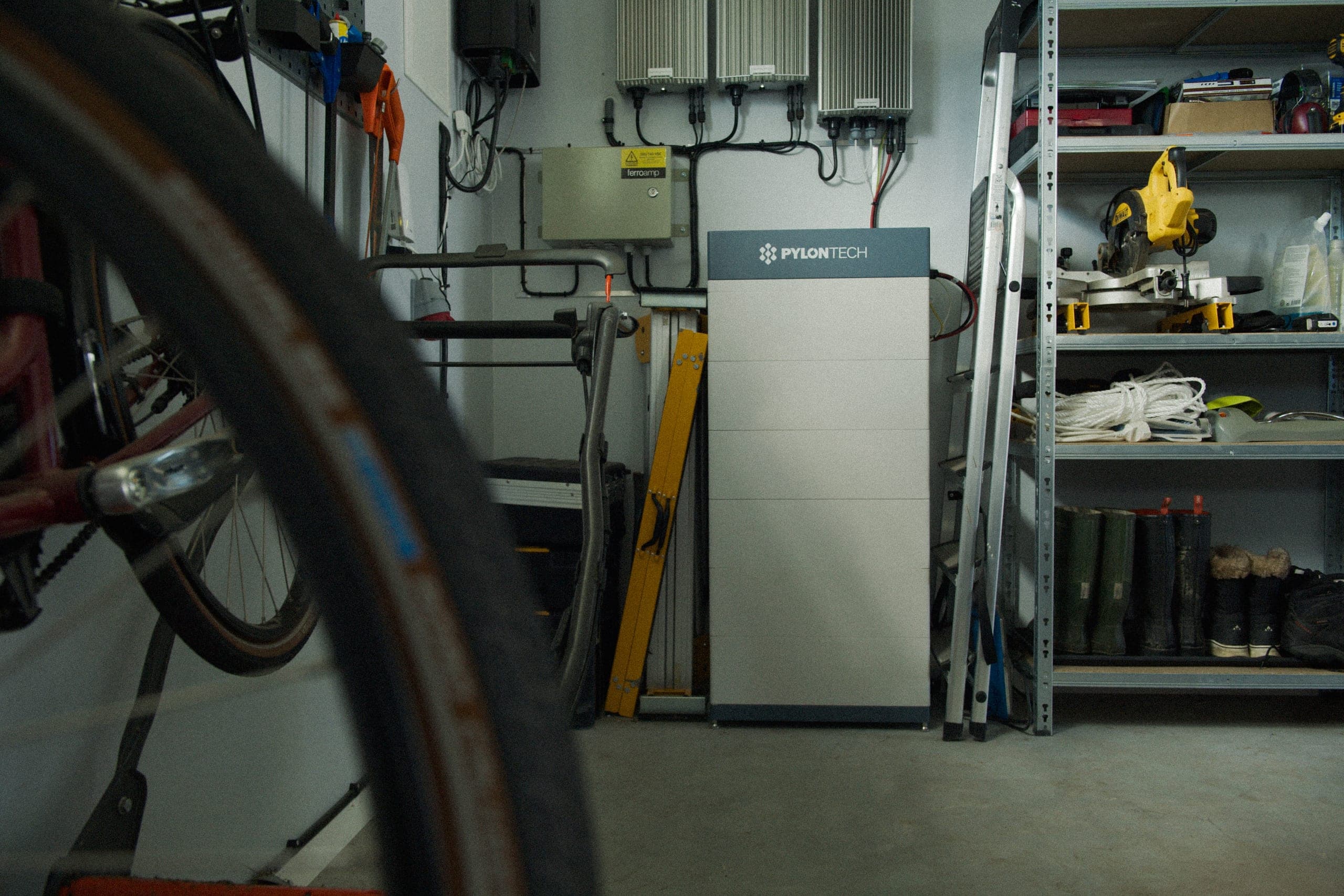
What a home battery costs depends on the house, and the honest figure doesn't exist until someone has run the numbers on yours. Bought outright, it's a large investment with an uncertain payback. Whether it's worth it comes down to four things: the price gap between expensive and cheap hours, how much solar surplus you have, whether you pay a capacity tariff, and how long the battery lasts.
0+
Homeowners no longer manage their own power and heat. They decided they had better things to do.
Curious to do the same?