Heat pump
Heat pumps in southern Sweden: which one suits your house?
A rundown of which heat pump works best for houses in southern Sweden, based on the house's conditions and the region's climate.
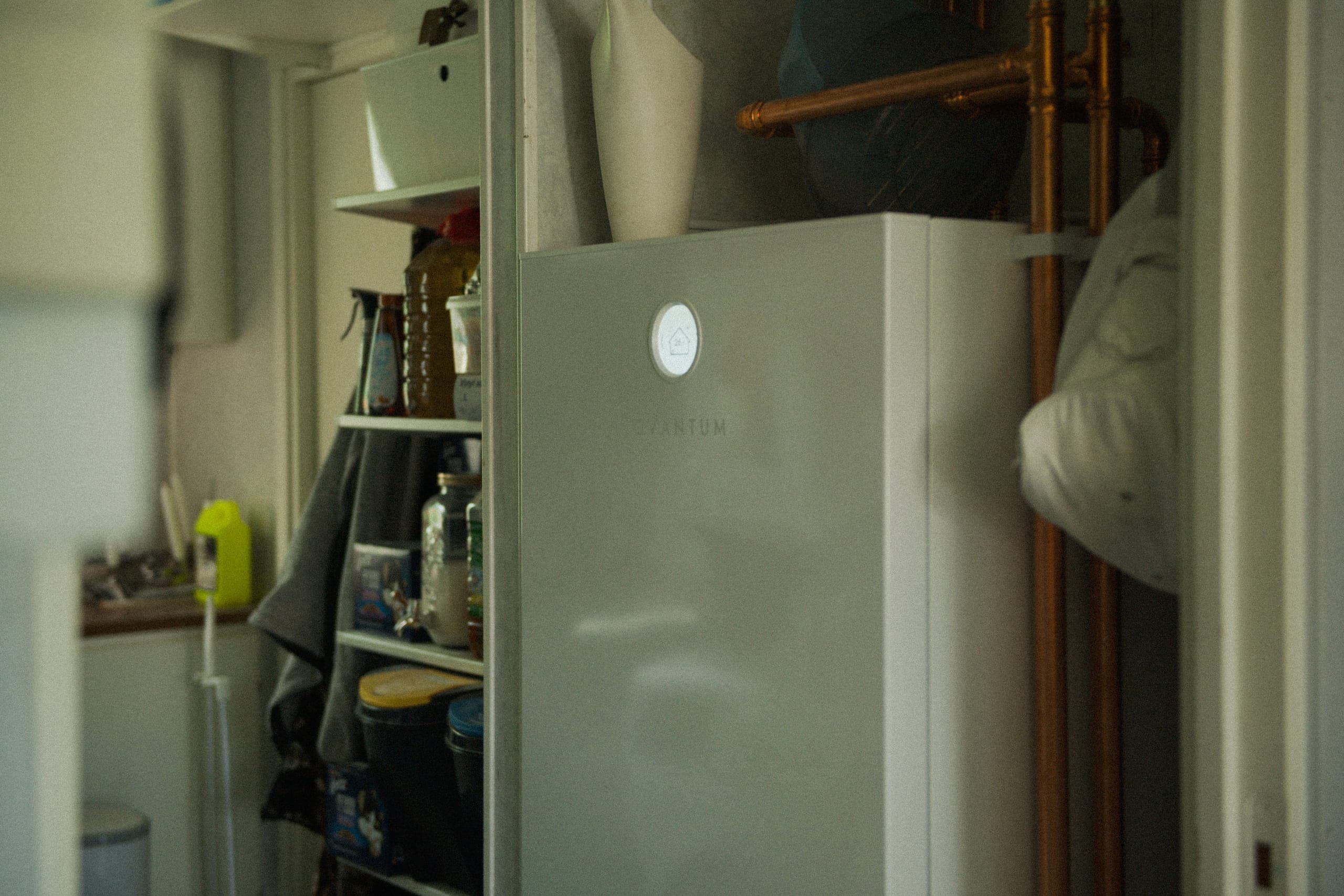
A heat pump is often the simplest way to cut heating costs in a house, but the choice isn't obvious. In southern Sweden the conditions look different than further north, and that affects which type of pump actually pays off for your particular house.
This guide walks through how to think about the choice without getting stuck in technical detail. You'll get a picture of which pumps suit different types of house, what the climate in Skåne, Blekinge, Halland and Småland means for efficiency, and what you can reasonably expect to pay per month.
Existing heating system
Does the house have a waterborne system with radiators or underfloor heating? Then air/water or ground-source heating is worth considering. If there's no waterborne system, air/air is often the way forward.
The size of the house
Below 150 square metres an air/water pump is usually enough. Larger houses with high heating demand can justify the higher investment in ground-source heating.
Insulation level
A poorly insulated house makes even the most efficient pump uneconomical. Check the roof, windows and walls before you decide.
Current heating
If you're on oil or direct electric heating, the savings are greatest. If you already have a heat pump, the gain is smaller and the switch has to add up in other ways.
What the plot allows
Ground-source heating requires space for a borehole and access for a drilling rig. On small plots or in dense neighbourhoods it can be hard to arrange.
What makes southern Sweden special for heat pumps?
Southern Sweden generally has milder winters than the rest of the country, with fewer days below zero and rarely any long cold spells. That's good news for heat pumps, since most modern pumps work most efficiently at temperatures between 0 and 10 degrees.
In practice that means even simpler solutions like air/air or air/water can make good economic sense in this region. Further north, where the thermometer more often reads minus 15 or colder, a ground-source heat pump is often needed to handle all the heating without supplementary heat.
That doesn't make the choice in southern Sweden obvious. The age of the house, its insulation and its existing heating system still matter most for which pump fits.
What types of heat pump are there?
There are four main types of heat pump on the Swedish market, and any of them can be the right choice depending on the house. Here's a short overview before we get into which one fits where.
Air/air heat pump
Draws heat from the outdoor air and blows it out as warm air indoors. Lowest investment, but only heats where the indoor unit sits. Suits houses without a waterborne system, or as a complement to direct electric heating.
Air/water heat pump
Also draws heat from the outdoor air, but feeds it into the house's waterborne radiators or underfloor heating. Heats the whole house and the hot water. The most common choice for houses with radiators in southern Sweden today.
Ground-source heat pump
Draws heat from a borehole in the ground, where the temperature is steady year-round. Highest investment and most disruptive to install, but also the solution with the lowest running cost and the one that handles the coldest days without losing output.
Exhaust-air heat pump
Recovers heat from the house's ventilation air. Common in houses built from the 1980s onwards with mechanical exhaust-air ventilation. On its own it's often not enough for heating in older, more poorly insulated houses.
Which heat pump suits your house?
The short answer: an air/water heat pump is the first choice for most houses in southern Sweden with a waterborne system. Ground-source heating only becomes interesting once the house is large, the heating demand is high, or you want maximum peace of mind over the long term.
But there are nuances. A well-insulated 1970s house with radiators of around 100 square metres rarely makes ground-source heating pay off — the investment is too large relative to the saving. The same house without a waterborne system is better suited to one or two air/air pumps.
For larger houses of 200 square metres or more, especially if they're heated with oil or direct electric heating today, ground-source heating often pays off. The high heating demand means the lower running cost has time to pay back the higher investment.
What does a heat pump cost per month?
A modern heat pump typically produces three to four times more heat than the electricity it uses. That's why the monthly heating cost drops markedly compared with direct electric heating or oil.
What it comes to in kronor depends on the size of the house, its insulation, its existing heating system and your electricity contract. For a typical house in southern Sweden with a waterborne system, the running cost often lands somewhere between 800 and 2,500 kronor a month for heating and hot water. Ground-source heating generally sits at the lower end of the range, air/water at the upper end.
The investment to replace a heat pump is in most cases between 130,000 and 200,000 kronor including installation, depending on the type of pump and the conditions of the house. That's the reason many homeowners put off the switch, even when the old pump is starting to wear out.
When is it time to replace a heat pump?
A heat pump typically lasts 15 to 20 years. As it approaches that age its output starts to decline, the compressor works harder for the same heat, and repair costs rise.
Signs that it's time to replace a heat pump: rising electricity bills without you using more heat, longer warm-up times in the morning, noisier operation or repeated service visits. Waiting until the pump breaks down in the middle of January is rarely a good idea — the replacement then becomes rushed and the choice of new pump less well thought through.
How to avoid the whole investment at once
The most common reason homeowners put off the switch isn't that they doubt the technology. It's that 130,000 to 200,000 kronor all at once feels overwhelming, even when the monthly saving is clear.
That's where Elvy's model comes in. Instead of paying the whole investment at installation, you take out an energy subscription. We install the heat pump with no upfront fee, handle service and warranty for the entire contract period, and you pay a fixed monthly cost. The only thing you need to worry about is that the house is warm.
For a house in southern Sweden that means you can switch from a worn-out pump, or from direct electric heating, without tying up capital. You move the money from a large one-off expense to a predictable monthly cost, and we take on the risk that the technology works.
The model isn't for everyone. If you already have the cash and want to own the pump yourself, buying outright can be cheaper over 15 years on paper. But for most homeowners it's less about chasing the lowest possible total cost and more about avoiding a large investment, avoiding worry about breakdowns, and knowing what the heating costs each month.
Choosing a heat pump in southern Sweden is less about finding the absolute best model and more about matching the pump to the house. For most houses with a waterborne system, air/water is the obvious choice. For larger or more energy-hungry houses, ground-source heating often pays off over time. The most important thing is to assess the house as a whole before the decision is made, since every property has its own conditions.
Keep readingMore to explore
- Heat pump
What does a new heat pump cost per month?
A new heat pump rarely costs what you think it does – and often more than you budgeted for. Here we break down the real monthly cost, whatever way you choose to finance the switch.
- Heat pump
Checklist: how to prepare your home's heating before winter's electricity prices
We know — winter feels a long way off right now. But summer is when your decisions still have time to take effect. Here's the checklist that helps you prepare your home's heating in time, so the January bill doesn't come as a nasty surprise.
- Heat pump
Heat pumps in northern Sweden: what you need to consider
In northern Sweden, the winter cold can last for up to five months. That places higher demands on the heating system – and on the numbers. Here's what you need to keep track of.
0+
Homeowners no longer manage their own power and heat. They decided they had better things to do.
Curious to do the same?