Heat pump
Checklist: how to prepare your home's heating before winter's electricity prices
We know — winter feels a long way off right now. But summer is when your decisions still have time to take effect. Here's the checklist that helps you prepare your home's heating in time, so the January bill doesn't come as a nasty surprise.
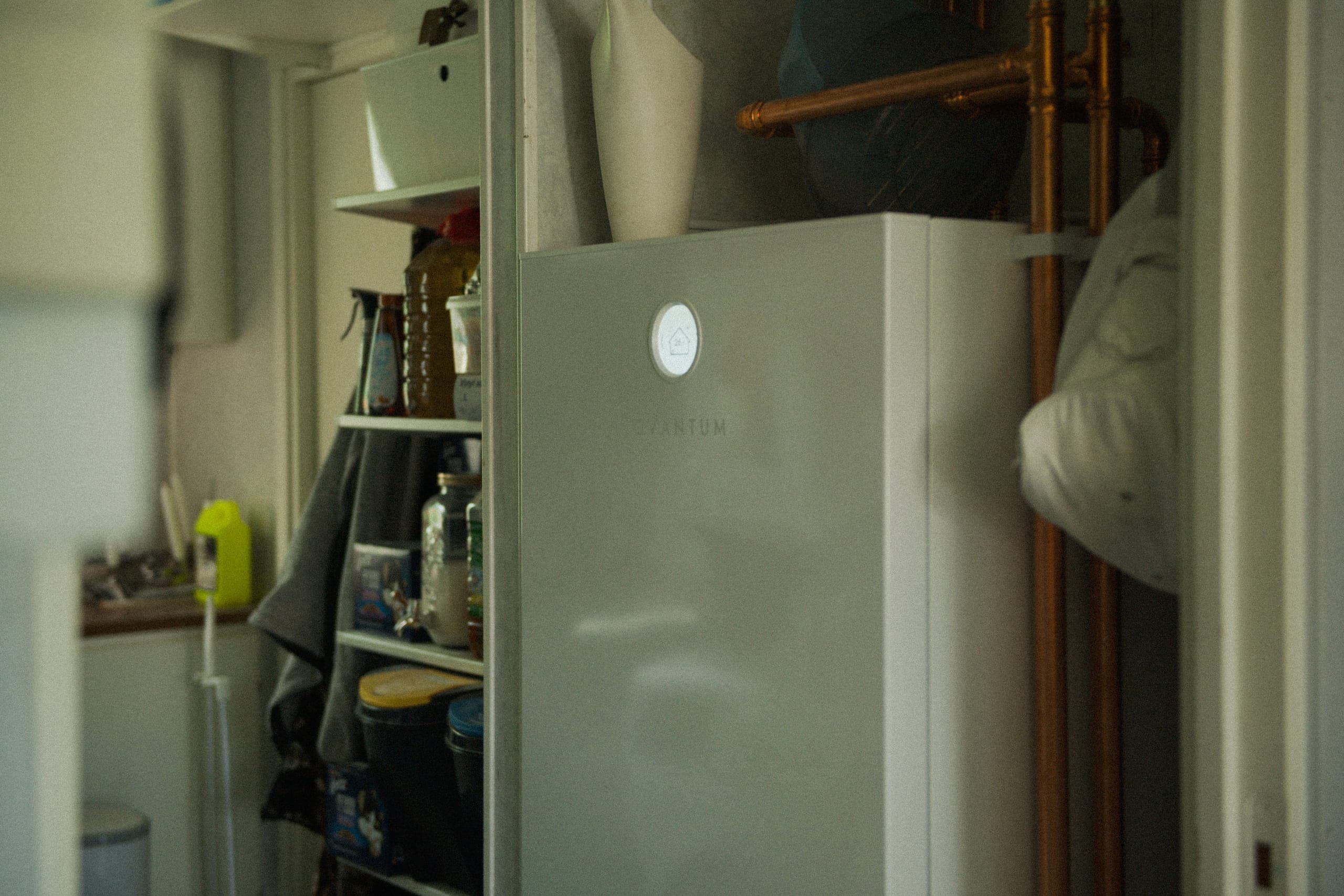
Right now, nobody wants to think about winter, electricity prices, or heating the house. The sun is out, the grill is fired up, and the electricity bill is at its lowest point of the year. That's exactly why this article shows up now, and not in October.
Because now is when it's decided how expensive your winter will be. Heating accounts for the biggest share of a house's electricity use, and the decisions you make during the summer and early autumn affect every bill from November to March. Wait too long, and you pay for it every month.
It doesn't have to be complicated. This checklist runs through what actually makes a difference, from simple steps you can take yourself to bigger choices about your heating system. And we're honest about what has a big impact and what is mostly symbolic.
Map your consumption
Log in to your grid operator's app and see what time of day you consume the most. That shows you where the real savings are.
Seal windows and doors
Replace worn weatherstripping and fix draughts. A simple afternoon that cuts unnecessary heat loss right away.
Review your insulation
Adding extra insulation in the attic is often one of the most cost-effective measures per krona invested, especially in older houses.
Assess your heating system's age
Is your heat pump more than ten years old, or drawing more than it used to? Then it's worth running the numbers on a replacement before winter.
Choose the right electricity contract
With an hourly-priced contract you can lower your cost by shifting consumption to cheaper hours, not by using less.
Think about the timing
A heat-pump installation can take several weeks because of processing time at the grid operator. Decisions made in November rarely take effect in time.
The biggest item on your winter electricity bill isn't household electricity. It's the heat. In an electrically heated house, roughly 60 to 70 percent of the electricity goes to heating and hot water. That means the real leverage lies in how the house is heated, not in whether you charge your phone at night.
Here are the measures that actually make a difference, roughly in order from lowest threshold to biggest impact.
What should I do first to lower my heating cost?
Start by understanding where the electricity goes. It sounds obvious, but most homeowners have never looked at their consumption hour by hour. Log in to your grid operator's app, or to the account pages of your electricity supplier. There you'll see what time of day you consume the most, and how cold days hit your bill.
Once you have that picture, you also know where it's worth putting your energy. For most houses the answer is the same: the heating system and how it's controlled.
How important is insulation compared with the heating system itself?
No heat pump in the world can work efficiently if the heat slips out through leaky windows or a poorly insulated attic floor. Adding extra insulation in the attic is often one of the most cost-effective measures per krona invested, especially in older houses.
Weatherstripping around windows and doors is something you can do yourself in an afternoon. It doesn't solve the whole problem, but it reduces draughts and means the heating system doesn't have to compensate for leaks that shouldn't be there.
When is it time to replace your heat pump?
If your heat pump is more than ten years old, draws more than it used to, or is unusually noisy, it's worth running the numbers on a replacement. A modern heat pump is considerably more efficient than the models sold ten years ago, and in houses moving from an older system to a modern air-to-water heat pump, energy use for heating can in some cases drop sharply.
The precondition is that the house has, or is fitted with, a water-based system. That's why every property needs to be assessed individually to give a realistic picture of the potential.
The biggest objection
The most common reason homeowners put off replacing their heat pump isn't a lack of will, but that the investment of 130,000 to 200,000 kronor feels overwhelming. The result, unfortunately, is that they keep paying thousands of kronor extra every winter, waiting for a better moment that rarely comes.
How can I control my electricity use more smartly?
Many people focus on how much electricity they use but forget how they pay for it. With an hourly-priced contract, the difference between the cheapest and most expensive hours of the day can be several kronor per kilowatt-hour. That means you can lower your cost without using less electricity, by using it at the right time.
In practice, that means charging the electric car at night instead of the moment you get home, letting the heat pump work more when the electricity price is low, and avoiding running several large appliances at once during price peaks. In modern energy systems this happens automatically, without you having to think about it day to day.
What do solar panels and a battery do in winter?
This calls for honesty. Solar panels produce the most during the summer half of the year, while a house's electricity demand is greatest in winter. In December and January, production is low across large parts of Sweden, and you're in practice still dependent on purchased electricity.
Over a full year, though, solar panels can still account for a significant share of a household's total electricity use. And combined with a battery, the effect is greater. The battery evens out consumption across the day, shaves capacity peaks, and reduces sensitivity to price spikes, even during months when the panels produce little.
Why does timing matter right now?
For a measure to affect this winter's bills, it has to be in place before the cold really sets in. A heat-pump installation can take several weeks from decision to commissioning, depending on processing time at the grid operator. If you wait until November, you're already late.
That's why summer and early autumn are the only window that matters. Decisions made now have time to take effect. Decisions put off until January don't.
Preparing your home's heating for winter isn't about doing everything at once. It's about doing the things that actually affect the bill, in time to notice the difference. For many homeowners, it isn't the will that's missing, but a clear path forward without a big investment weighing them down.
That's where Elvy comes in. Instead of buying a heat pump, battery, and solar panels separately, Elvy installs the whole system as a single, integrated solution with no start-up fee. You pay a fixed monthly cost that includes the equipment, installation, operation, and a full operating guarantee. If something breaks, it's Elvy's responsibility to fix it, at no extra cost.
The model isn't for everyone. Someone who wants to own and optimize everything themselves may have good reasons to do so. But for those who want a predictable monthly cost and would rather not become an energy expert, it's a different way of looking at energy.
Keep readingMore to explore
- Heat pump
What does a new heat pump cost per month?
A new heat pump rarely costs what you think it does – and often more than you budgeted for. Here we break down the real monthly cost, whatever way you choose to finance the switch.
- Heat pump
Heat pumps in southern Sweden: which one suits your house?
A rundown of which heat pump works best for houses in southern Sweden, based on the house's conditions and the region's climate.
- Heat pump
Heat pumps in northern Sweden: what you need to consider
In northern Sweden, the winter cold can last for up to five months. That places higher demands on the heating system – and on the numbers. Here's what you need to keep track of.
0+
Homeowners no longer manage their own power and heat. They decided they had better things to do.
Curious to do the same?