Värmepump
What are COP and SCOP? How to read a heat pump's efficiency
COP and SCOP measure how efficient a heat pump is. COP is the heat you get per unit of electricity at one moment: a COP of 3 means three units of heat per unit of power. SCOP averages the same over a whole season, which is the more honest number for a Swedish climate. Here's how to read them.
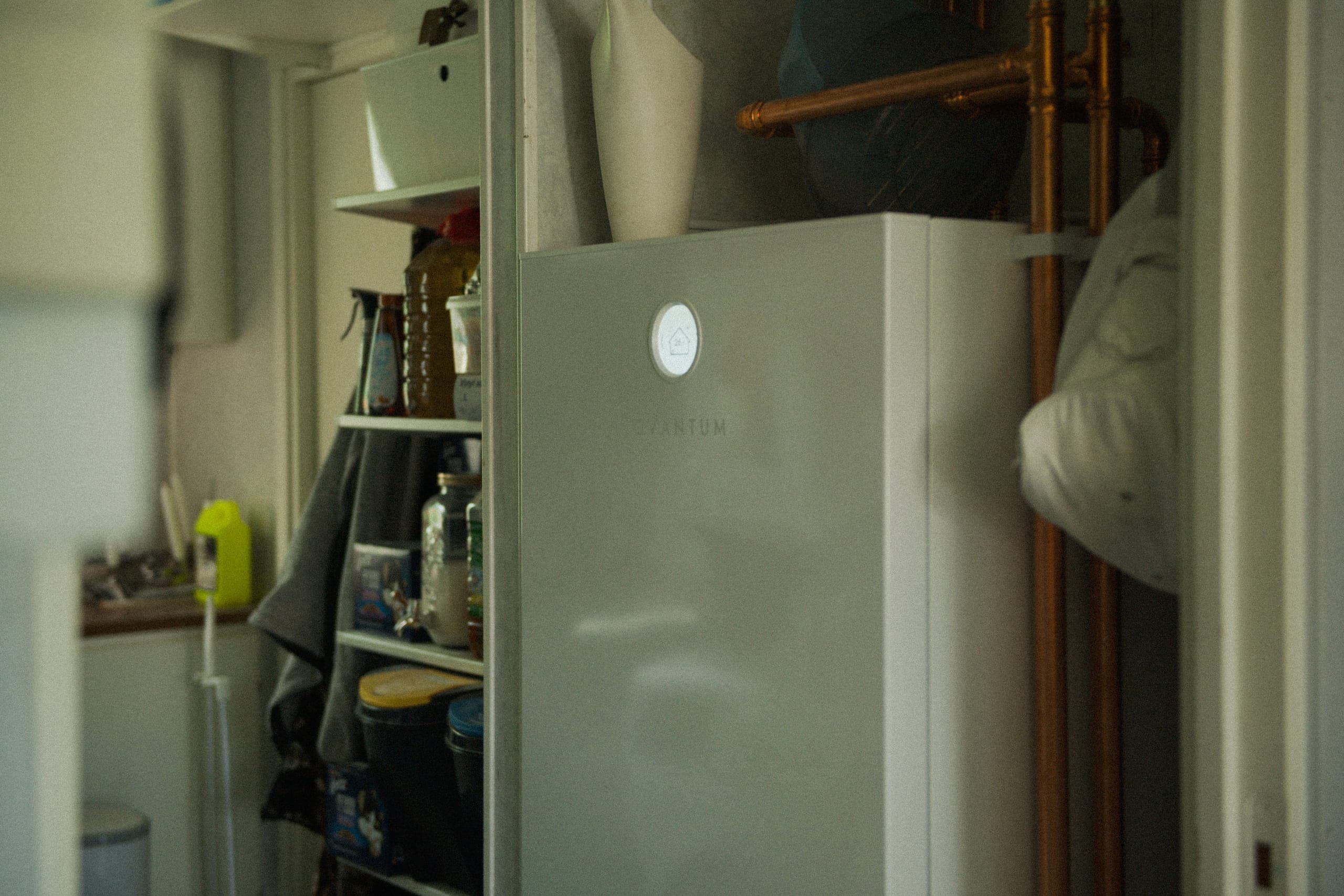
COP and SCOP are two measures of how efficient a heat pump is. COP, Coefficient of Performance, is how much heat the pump gives per unit of electricity at a given moment. A COP of 3 means three units of heat per unit of power, and the pump pulls the rest for free from the air or the ground. SCOP is the same thing averaged over a whole heating season, which makes it the more honest number for a Swedish climate.
The catch is that the figure on the datasheet is measured in a lab under ideal conditions, and your house is rarely ideal. Below we cover what COP and SCOP mean, why SCOP weighs heaviest, what drags efficiency down in the real world, and why the install matters as much as the spec.
What does COP mean?
In short: how many times over the pump pays back the electricity you feed it. Feed in one unit of electricity and get three units of heat out, and the COP is 3. It sounds like free energy, but it isn't. The difference is heat that already sits in the outdoor air, the ground or the groundwater, which the pump simply moves into the house.
The thing to grasp is that COP is a snapshot. It holds at one specific outdoor temperature and one specific flow temperature. Change either and the COP changes. A high COP measured on a mild April day tells you almost nothing about how the pump runs on a cold evening in February.
How is SCOP different?
SCOP is the same measure averaged over a whole heating season. The S stands for seasonal. Instead of a single moment, SCOP weighs cold days and mild ones together, defrost cycles, starts and stops, and the electricity the pump draws while it simply sits and waits. It comes out as an average of how the pump actually works year-round.
That's why SCOP is nearly always lower than the highest COP a manufacturer can show off. It isn't a worse number. It's an honester one.
Why is SCOP the number that matters most?
Because you heat the house across a whole season, not in one moment. A lone COP can be picked at the setting that looks best, a mild day with a low flow temperature. SCOP can't be flattered the same way, it has to reckon with winter too.
In a Swedish climate it's winter that sets the bill. A pump with a high COP on paper but weak performance in the cold can cost more than one with a steadier curve. Look at SCOP, and ideally SCOP measured for a cold climate, not a warm one.
What drags efficiency down in the real world?
The cold, above all. The colder it is outside, the less heat there is to pull from the air, and the harder the pump has to work for every degree indoors. Efficiency drops on exactly the days you need it most. An air-source pump feels this more than a ground-source one, which draws its heat from the bedrock, where it stays steady all year.
Then the datasheet figure is measured in a lab. Your house has draughts, a roof that lets heat out and a daily reality the lab never knew about. The measured efficiency lands almost always below the one on paper.
What have the radiators got to do with it?
More than you'd think. A heat pump runs most efficiently when it gets to deliver lukewarm water, not hot. Underfloor heating and large radiators cope with a low flow temperature, and then the pump keeps its COP up. Old, small radiators need hot water to warm the room, and the hotter the water the pump is forced to make, the more electricity it draws.
So the same pump can give wildly different efficiency in two houses. The efficiency sits as much in the radiators as in the pump itself.
Does a high SCOP guarantee a low bill?
No. SCOP is measured on the pump, not on your installation. A pump with brilliant figures can run badly if it's wrongly sized or sloppily fitted. An oversized pump starts and stops in short bursts and wears out for nothing. An undersized one leans on the immersion heater when it gets really cold, and then you're back on expensive direct electric heat.
Just as much comes down to the commissioning: the right flow temperature, the right flow rate, the right placement. A high SCOP is a promise of what the pump can do. The install decides whether the promise is kept. The spec and the workmanship weigh about the same.
What does this mean when you're choosing a heat pump?
Don't chase the highest COP in the ad. Look at SCOP, ideally measured for a cold climate, and put at least as much weight on who sizes and installs it. A middling pump that's fitted right beats a top model that's fitted wrong.
At Elvy, an energy analysis works out which pump your house actually needs, and the install is ours. If you want to know what it lands on for your particular house, it's the analysis that answers, not a datasheet. The number on paper only means something once it meets a house it fits.
Keep readingMore to explore
- Värmepump
What does a heat pump really cost? The 15-year total
The purchase price is the small part. Over 15 years what a heat pump costs is decided by the installation, the service, the repairs and above all the electricity it runs on. Electricity is the biggest item and it's most expensive at the end. Look only at the sticker price and you're looking at the wrong number.
- Om Elvy
What is an energy subscription, and how does it work?
An energy subscription is a fixed monthly price for your whole home's electricity and heat. Elvy installs, owns and runs the system for you. No upfront cost, the same price for 15 years. Here's how it works, and when it fits.
- Elpriser
What is a power tariff, and how does it affect my electricity bill?
A power tariff is part of your grid fee that charges you for your highest power peak, not just for the number of kilowatt-hours. The more you draw at one time, the higher the fee. A home battery can shave the peaks for you automatically. Here's how the power tariff works, and when it's actually an advantage.
0+
Homeowners no longer manage their own power and heat. They decided they had better things to do.
Curious to do the same?