Electricity prices
Lower your home electricity costs: 8 steps that actually work
High electricity bills are one of the biggest sources of stress for Swedish homeowners today. To make a real difference that you can feel in your wallet, you need a combination of smart technology and the right strategy.
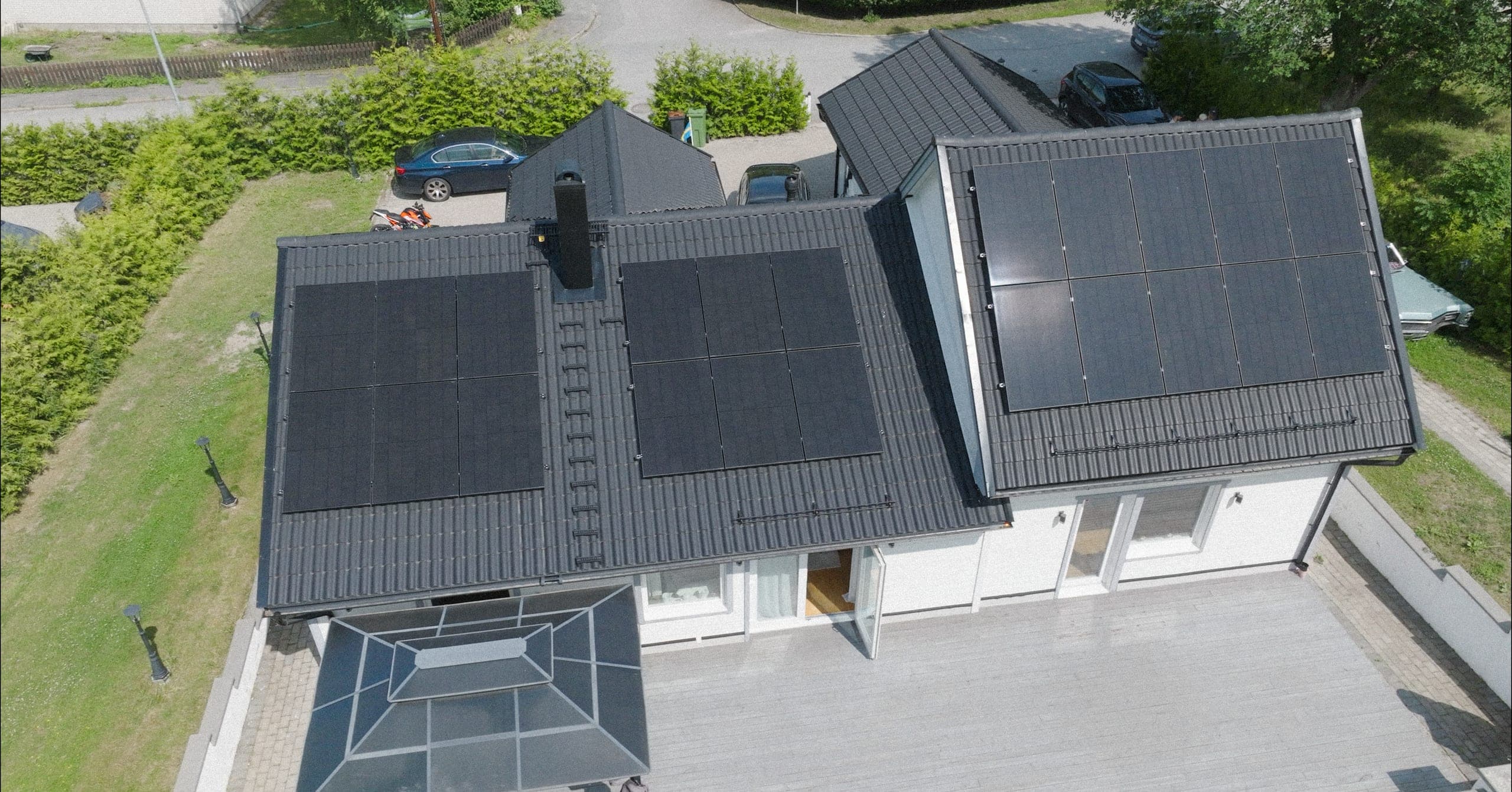
Lowering your electricity costs is rarely about a single measure. In an average electrically heated house, 60–70% of the electricity goes to heating and hot water – which means that is where the real savings are. Small changes in behaviour help, but rarely make the big difference. It takes a well-thought-out plan and solutions that actively work with your energy use. Here are 8 steps that help you lower your electricity costs over time.
Step 1: Map where your electricity actually goes
Before you invest in anything, it is wise to understand your consumption. Use your grid operator's app or a smart energy service to see exactly when during the day you use the most. That gives you a factual basis to work from and lets you prioritise the right measures in the right order.
Step 2: Upgrade the heart of the house: the heating system
If you have an older electric boiler or a heat pump that has passed the 15-year mark, you are probably paying more than you need to. In houses that move from direct electric heating or older, inefficient systems to a modern air-to-water heat pump, the energy used for heating can drop sharply – in some cases by up to 60–75%. The prerequisite is that the house has (or is fitted with) a waterborne system. That is why every property needs to be assessed individually to give a realistic picture of the potential.
Step 3: Produce your own electricity with solar panels
Solar panels reduce the amount of electricity you need to buy from the grid – especially on sunny days and during the spring and summer half of the year, when production is at its highest. That means you buy less electricity precisely when the price is often higher during the day. During periods of surplus, you can also sell electricity back to the grid.
You are still dependent on purchased electricity during the winter half of the year, but over the course of the year solar panels can reduce both your total electricity costs and your sensitivity to price spikes. They also often help increase your property's appeal and value.
Step 4: Store your electricity with a battery
Solar panels combined with a battery let you use more of your own electricity yourself, instead of selling it when the compensation is low and buying it back when the price is high. The biggest gain lies in increasing your level of self-sufficiency and reducing your exposure to the electricity price's swings over the day.
Step 5: Optimise with AEO (Automatic Energy Optimization)
Good equipment is not enough – it needs to be controlled intelligently. With Elvy's energy solution, the heat pump, battery and other systems work together through smart control from leading technology partners. The solution optimises based on the electricity price, your actual consumption and how quickly your particular house loses heat.
When electricity is cheap, the system can, for example, heat the house strategically, so that you use less electricity when the price is higher – without you noticing it indoors. That is the difference between having good equipment and having a well-thought-out, optimised energy system.
Step 6: Review your insulation
No heat pump can work efficiently if the heat escapes through draughty windows or a poorly insulated attic floor. Adding insulation to the attic is often a relatively simple measure that has a clear effect on both comfort and energy consumption. In many cases it is also one of the most cost-effective measures per krona invested.
By reducing heat losses, you get better returns from your entire energy system – whether you already have a heat pump or are planning to install one.
Step 7: Replace old household appliances
Fridges, freezers and washing machines that are more than ten years old often use more electricity than modern, energy-efficient models. It is important to have the right expectations here: for most households, heating is the dominant energy item, which means the savings from new appliances are normally significantly smaller than from measures related to heat. Even so, more efficient appliances still contribute to lower total consumption, especially in combination with other measures.
Step 8: Choose the right electricity contract and manage your consumption smartly
Many people focus on how much electricity they use – but forget how they pay for it. Your electricity costs are affected not only by the number of kWh, but also by when you use the electricity and how high your simultaneous power demand is. With an hourly-rate contract, the difference between the cheapest and most expensive hours of the day can be several kronor per kWh.
That means you can lower your electricity costs without using less electricity – by using it at the right time. Examples of smart consumption: charge the electric car at night instead of right when you get home, let the heat pump work more when the electricity price is low, and avoid running several large appliances at the same time during price peaks. By spreading out your consumption, you also reduce power peaks, which can have a positive effect on your grid costs.
In modern energy systems, this happens automatically. With smart control, heating, hot water, battery storage and electric-car charging are optimised based on electricity price and power demand – which delivers immediate savings without you having to change your everyday life or make new investments.
It is not just about technology. It is about letting the system work smarter with the conditions you already have.
Which measures have the greatest impact?
Lowering your electricity costs today is about moving from being a passive consumer who hopes for low electricity prices, to becoming an active player who produces, stores and optimises their own energy.
Not all measures affect your electricity costs equally. For a typical house, the breakdown looks roughly like this, ranked by impact: heating has the greatest impact, insulation gives high impact per krona invested, solar panels reduce purchased electricity over the year, battery and smart control optimise and maximise the value, while household appliances have a relatively small effect.
It is important to start at the right end – otherwise you risk investing in the wrong measure and missing the real savings. This is exactly where an all-in-one solution makes the difference.
Keep readingMore to explore
- Electricity prices
Comparing electricity providers to save money? Here's why you're looking in the wrong place
Most homeowners compare electricity providers to cut costs, but the margins are small. The real savings lie in how your house produces and uses energy.
- Electricity prices
The expert's guide to the electricity price: how to protect your home from the next price shock
Electricity prices swing more than ever. This guide explains what actually drives the swings – and what you as a homeowner can do to become less sensitive to the next shock.
- Electricity prices
The best electricity contract of 2026? Why the electricity contract of the future isn't an electricity contract at all
The best electricity contract of 2026 might not be an electricity contract at all. Here's what the choice looks like if you live in a house — and why more people are questioning the question itself.
0+
Homeowners no longer manage their own power and heat. They decided they had better things to do.
Curious to do the same?