South-facing is best for solar. But not the whole story
A south-facing roof gives the most solar over a year, but east and west work nearly as well. Shade from trees matters more than tilt. Most roofs will do.
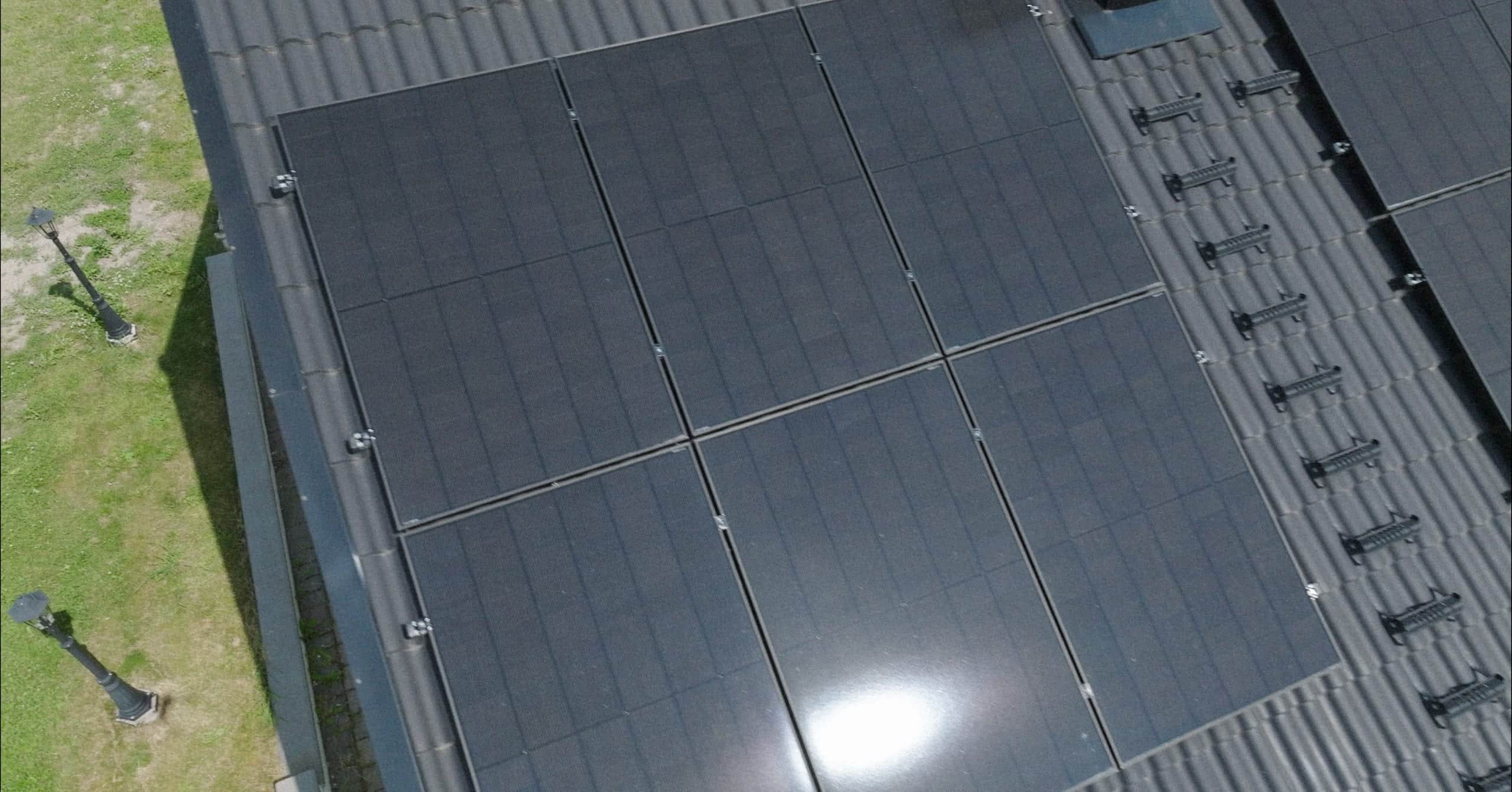
A south-facing roof gives the most solar power over a year, but east and west work nearly as well and can fit your consumption better. The roof's tilt matters less than most people think, while shade from trees, a chimney or a neighbour's house is what really pulls production down. Most roofs will do, the question is how much.
Almost any roof can take solar panels. The difference is in how much power they make, and that's decided by orientation, tilt and shade together, not by any one of them alone. Below we cover which direction gives the most, why east and west aren't wasted, how much the tilt matters, what shade does, and how you find out what your own roof can manage.
Which orientation is best for solar?
South. A roof facing south catches the sun when it sits highest and makes the most power over a full year. That's why south-facing is the standard answer, and for pure annual output it holds. If you want a single number to maximise, south is right.
But annual output isn't everything. A south-facing roof gives a high peak in the middle of the day, often when no one's home and electricity is at its cheapest. What leaves the roof then is sold to the grid for less than you pay to buy it back in the evening. The most power on paper isn't always the most use in the house.
Is an east or west roof wasted?
No, far from it. East and west give a little less over the year than south, but spread the production more evenly across the day. East panels deliver in the morning, west panels in the afternoon and evening, closer to the hours when the house actually uses power. A roof split between east and west can match your consumption better than a pure south roof.
If you have a battery, orientation matters even less, because the midday surplus is saved for the evening whichever direction it came from. The point is that south isn't a requirement. East and west do the job well, and sometimes they're the better choice.
How much does roof tilt matter?
Less than orientation, but something. A moderate tilt catches the Swedish sun best over the year. A very flat or very steep roof gives a little less, but the difference is rarely large enough to decide on its own whether it's worth it. Most tilts on Swedish houses sit within what works well.
The tilt does other good too. A pitched roof lets snow slide off and rain wash the panels clean, while a flat roof holds on to both snow and dirt longer. Panels on a flat roof are therefore often raised at an angle, both for the sake of production and to keep themselves clean.
What does shade do to the panels?
More harm than most people think. A tree, a chimney, a dormer or a neighbour's house that shades part of the roof pulls production down more than the covered area suggests, because a shaded panel can drag down others it's wired with. Shade in the middle of the day costs more than shade early in the morning or late in the evening.
That's why shade often weighs heavier than orientation when judging a roof. A south-facing roof under a big tree can give less than a clear west-facing one. Some shade can be planned away by placing the panels where the roof is clear, and modern equipment handles partial shading better than it used to. But shade is never entirely free.
Do flat roofs and north-facing roofs work?
Flat roofs work fine. The panels are raised on frames that give them the right tilt and direction, so a flat roof is more a free surface to aim as you like than a problem. Many larger installations sit on flat roofs for exactly that reason.
Pure north-facing roofs are the hard part. A roof that only faces north gets the sun at an angle and gives clearly less, and there it isn't always worth laying panels. But few houses have only a north roof. If there's a south-, east- or west-facing surface, that's usually the one you use.
Is my roof right for solar?
That answer comes from a look at your particular roof, not from a rule of thumb. Orientation, tilt, shading, the roof's condition and how much power you use all play together, and a proper assessment weighs them up instead of staring at one of them. Most roofs will do, the question is how big a system does any good.
With Elvy that assessment is included. Your roof is weighed into the energy analysis, and the solar panels are sized and aimed accordingly and put together with a battery and heat pump as one whole that Elvy owns and looks after. You don't have to work out whether the roof will do. That's our job to find out, and to solve if the conditions change.
Keep reading More to explore
- Solar
Buy solar panels or take out an energy subscription?
Buy solar panels to own the system and take the upside, plus the wear and risk. If you just want a predictable bill, an energy subscription fits.
- Solar
Do solar panels work in winter in Sweden?
Yes, solar panels work in winter, but make much less electricity. The cold isn't the problem, it's the daylight. Solar is judged over the year, not December.
- Solar
How many solar panels does my house need?
How many solar panels a house needs is measured in kilowatts and depends on the roof, your usage and self-use. The right number comes from an analysis.
0+
Homeowners no longer manage their own power and heat. They decided they had better things to do.
Curious to do the same?