Running the home battery on the spot price
Running the home battery on the spot price means charging when power is cheap and using it when it's expensive. A computer runs it, not you.
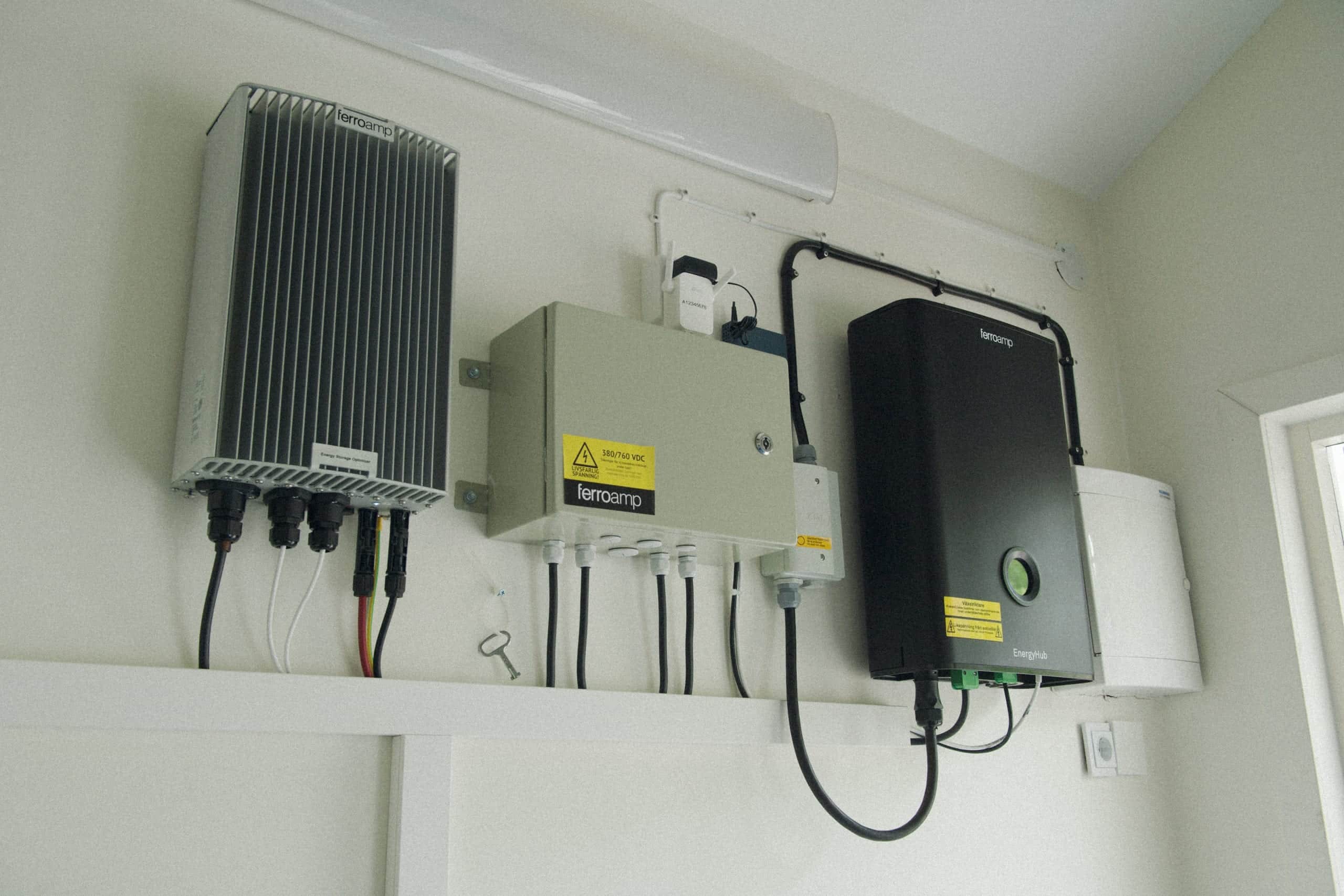
Running the home battery on the spot price means charging it when power is cheap and using it when it's expensive. The price changes hour by hour, and the battery shifts your consumption to the cheap hours without you noticing anything. Done right it happens automatically, around the clock, without you having to keep track.
What does running the battery on the spot price mean?
The spot price is the variable electricity price set by the hour. Sometimes power is cheap, sometimes expensive, and the gap between the hours can be large within a single day. Running the battery on the spot price means charging it during the cheap hours and using the stored power during the expensive ones. You consume just as much, but you buy it when it costs less.
The point isn't to save electricity, but to move it in time. The battery becomes a buffer between when power is cheap and when you actually use it. Your morning coffee can run on power that was charged in at three in the morning.
Why does the electricity price change from hour to hour?
Because power is priced on supply and demand, hour by hour. When many people use a lot at once, a cold morning when everyone wakes up, the price rises. When consumption is low and the wind is good, it falls. The weather, the season and what the rest of the country is doing decide, not you.
That movement is what the battery lives on. If the price were the same around the clock there would be nothing to shift and nothing to earn. The bigger the gap between cheap and expensive hours, the more there is to gain from steering it right.
How much is it worth to steer it right?
It depends on how large the price gap is where you live, and that varies. If the difference between the day's cheapest and most expensive hours is small, there's little to gain. If it's large, every charge is worth more. No exact figure can be promised in advance, because it changes with the price.
If you have solar panels there's more to be had. Then the battery can store the day's surplus for the evening instead of you selling cheap and buying dear a few hours later. If you have a capacity tariff, the battery can also shave the peaks when consumption is at its highest. The spot price is one of several things to steer against, not the only one.
Is it enough to just watch the spot price?
No. The spot price is the most visible part of the electricity bill, but not all of it. On top come the grid fee, taxes and, for many households, a capacity tariff that depends on how much you pull at most during a single hour. A battery that only chases the lowest spot price can miss that the most expensive hour to consume in is sometimes a different one.
Steering it right is therefore about weighing several things against each other at once, not about following a single curve. That's also why it's hard to do by hand.
Can you steer the battery yourself?
In theory. The spot price for the next day is known in advance, so you could in principle sit down in the evening, look at tomorrow's prices and decide when the battery should charge and discharge. In practice that means replanning every day, all year round, while weighing in power peaks and solar production at the same time.
Most people can't be bothered, and don't need to. This is exactly the kind of nagging optimisation a computer does better than a human. It never gets tired and never misses a night.
How does Elvy steer the battery for you?
Automatically, in the background. In an energy subscription Elvy owns the battery and handles the steering for you. We charge when power is cheap, use it when it's expensive, shave the power peaks and let the battery take part in support services that keep the grid stable, which Svenska kraftnät pays for. All of it fits inside a fixed monthly fee.
You notice nothing, and that's the whole point. Whatever the spot price gets up to tonight, you don't need to keep an eye on it. The most boring thing about the battery should be that you forget it's there, doing the sums.
Keep reading More to explore
- Battery
What does a home battery cost, and is it worth it?
What a home battery costs depends on the house. The honest figure doesn't exist until someone runs your numbers. Bought outright, payback is uncertain.
- Battery
How big a home battery do I need?
The right size for a home battery is measured in kilowatt-hours and depends on what you want it to do. Bigger isn't always better; it comes from an analysis.
- Battery
How does a home battery shave the power fee?
A power fee charges for your highest power peak. A home battery shaves that peak by covering part of the load in the moment, so less is drawn from the grid.

0+
Homeowners no longer manage their own power and heat. They decided they had better things to do.
Curious to do the same?