Lower home electricity costs: 8 steps that actually work
In an electrically heated house, 60-70% goes to heating and hot water. That's where the money is, not the light switch. Eight steps, ranked by impact.
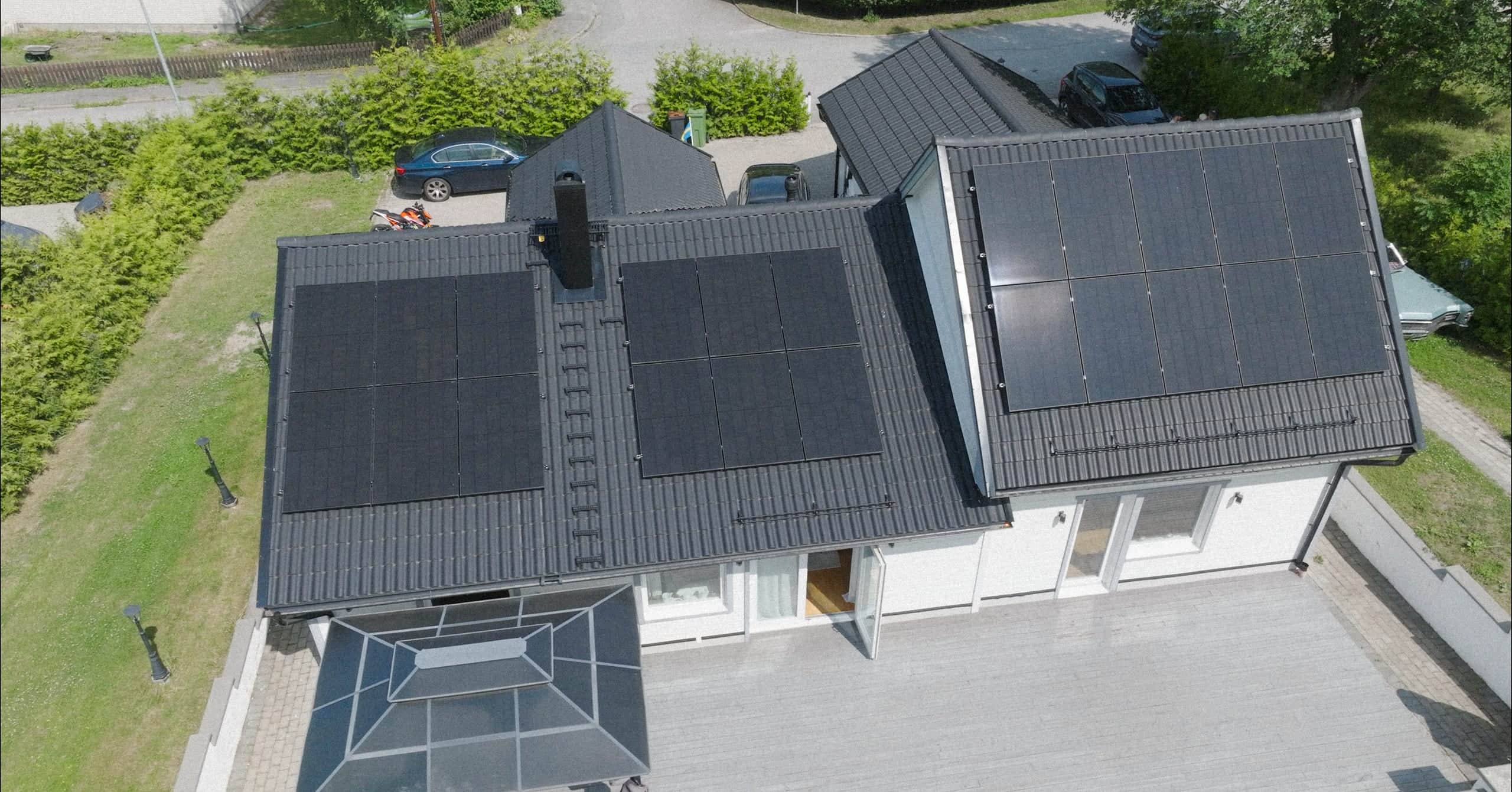
Lowering your electricity costs is rarely about a single measure. In an average electrically heated house, 60–70% of the electricity goes to heating and hot water. That is where the real savings are. Small changes in behaviour help, but rarely make the big difference. It takes a well-thought-out plan and systems that actively work with your energy use. Here are 8 steps that help you lower your electricity costs over time.
Step 1: Map where your electricity actually goes
Before you invest in anything, it is wise to understand your consumption. Use your grid operator's app or a smart energy service to see exactly when during the day you use the most. That gives you a factual basis to work from and lets you prioritise the right measures in the right order.
Step 2: Upgrade the heart of the house: the heating system
If you have an older electric boiler or a heat pump that has passed the 15-year mark, you are probably paying more than you need to. In houses that move from direct electric heating or older, inefficient systems to a modern air-to-water heat pump, the energy used for heating can drop sharply, in some cases by up to 60–75%. The prerequisite is that the house has (or is fitted with) a waterborne system. That is why every property needs to be assessed individually to give a realistic picture of the potential.
Step 3: Produce your own electricity with solar panels
Solar panels reduce the amount of electricity you need to buy from the grid, especially on sunny days and during the spring and summer half of the year, when production is at its highest. That means you buy less electricity precisely when the price is often higher during the day. During periods of surplus, you can also sell electricity back to the grid.
You are still dependent on purchased electricity during the winter half of the year, but over the course of the year solar panels can reduce both your total electricity costs and your sensitivity to price spikes. They also often help increase your property's appeal and value.
Step 4: Store your electricity with a battery
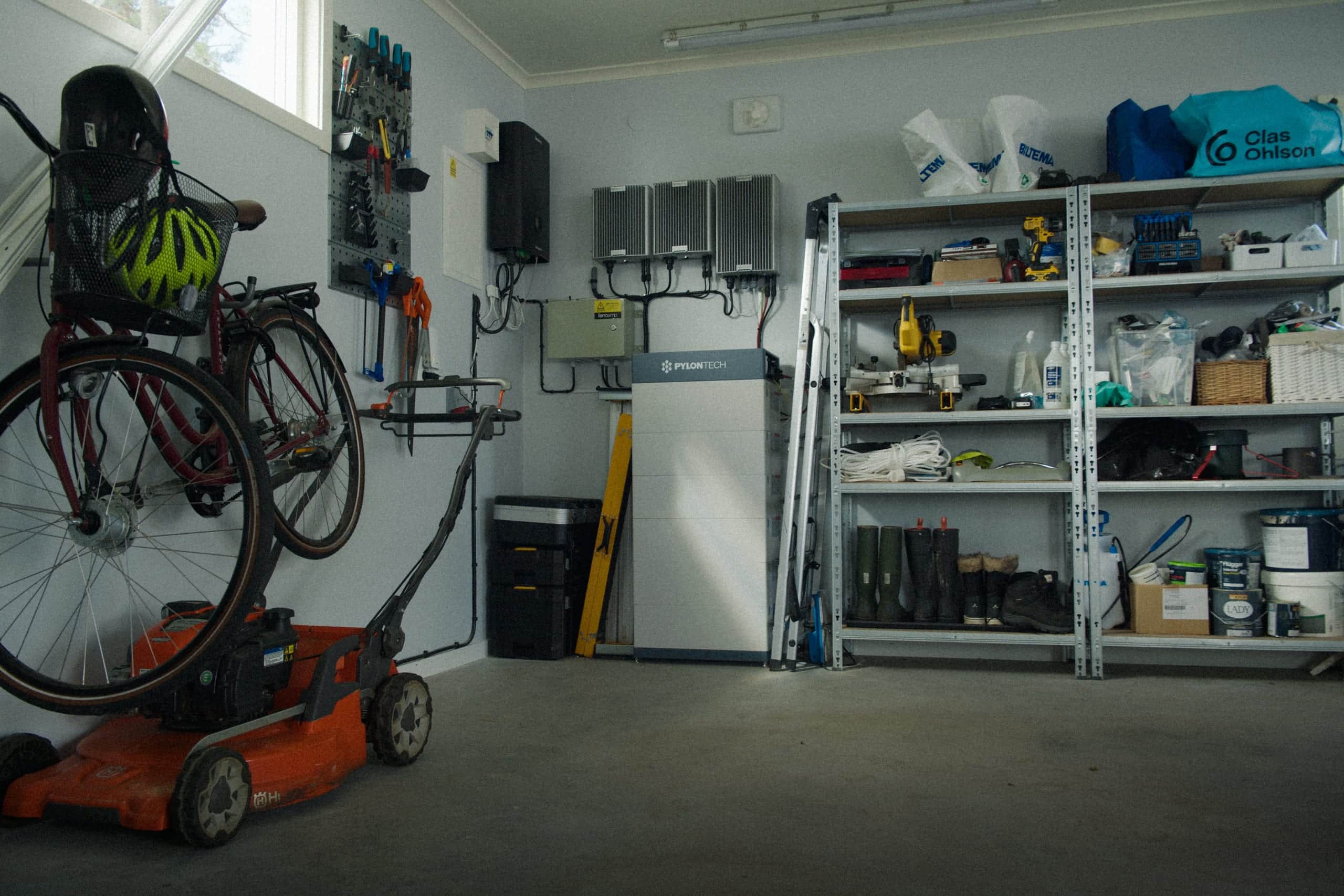
Solar panels combined with a battery let you use more of your own electricity yourself, instead of selling it when the compensation is low and buying it back when the price is high. The biggest gain lies in increasing your level of self-sufficiency and reducing your exposure to the electricity price's swings over the day.
Step 5: Let the system respond to the electricity price
Good equipment is not enough. It needs to be controlled properly. In Elvy's energy system, the heat pump, battery and other parts work together and are controlled automatically based on the electricity price, your actual consumption and how quickly your particular house loses heat.
When electricity is cheap, the system can, for example, heat the house in advance, so that you use less electricity when the price is higher, without you noticing it indoors. That is the difference between having good equipment and having a system that actually works for you.
Step 6: Review your insulation
No heat pump can work efficiently if the heat escapes through draughty windows or a poorly insulated attic floor. Adding insulation to the attic is often a relatively simple measure that has a clear effect on both comfort and energy consumption. In many cases it is also one of the most cost-effective measures per krona invested.
By reducing heat losses, you get better returns from your entire energy system, whether you already have a heat pump or are planning to install one.
Step 7: Replace old household appliances
Fridges, freezers and washing machines that are more than ten years old often use more electricity than modern, energy-efficient models. It is important to have the right expectations here: for most households, heating is the dominant energy item, which means the savings from new appliances are normally significantly smaller than from measures related to heat. Even so, more efficient appliances still contribute to lower total consumption, especially in combination with other measures.
Step 8: Choose the right electricity contract and manage your consumption smartly
Many people focus on how much electricity they use, but forget how they pay for it. Your electricity costs are affected not only by the number of kWh, but also by when you use the electricity and how high your simultaneous power demand is. With an hourly-rate contract, the difference between the cheapest and most expensive hours of the day can be several kronor per kWh.
That means you can lower your electricity costs without using less electricity, by using it at the right time. Examples of smart consumption: charge the electric car at night instead of right when you get home, let the heat pump work more when the electricity price is low, and avoid running several large appliances at the same time during price peaks. By spreading out your consumption, you also reduce power peaks, which can have a positive effect on your grid costs.
In modern energy systems, this happens automatically. Heating, hot water, battery storage and electric-car charging are controlled based on electricity price and power demand. That delivers immediate savings without you having to change your everyday life or make new investments.
The system does more with the conditions you already have.
Which measures have the greatest impact?
Lowering your electricity costs today is less about hoping for low electricity prices and more about controlling when you use it. You produce your own electricity, store it in the battery and use it when the price is right.
Not all measures affect your electricity costs equally. For a typical house, the breakdown looks roughly like this, ranked by impact: heating has the greatest impact, insulation gives high impact per krona invested, solar panels reduce purchased electricity over the year, battery and smart control optimise and maximise the value, while household appliances have a relatively small effect.
It is important to start at the right end. Otherwise you risk investing in the wrong measure and missing the real savings. This is exactly where an all-in-one setup makes the difference.
Keep reading More to explore
- Electricity prices
What is a power tariff and how does it affect your bill?
A power tariff is part of your grid fee that charges you for your highest power peak, not just the kilowatt-hours you use. A home battery can shave the peaks.
- Electricity prices
What is a spot price and how is it set?
The spot price is electricity's market price hour by hour, set on the Nord Pool exchange. Every afternoon, tomorrow's 24 prices are set by supply and demand.
- Electricity prices
Electricity areas SE1-SE4: which one am I in, and why?
An electricity area is one of Sweden's four price regions, SE1-SE4. The south usually pays more than the north, because it uses most where it makes least.
0+
Homeowners no longer manage their own power and heat. They decided they had better things to do.
Curious to do the same?