A too-big heat pump costs. So does a too-small one
A heat pump too big wears out needlessly, one too small needs costly backup heat. Right size follows the house's heat demand, so the analysis comes first.
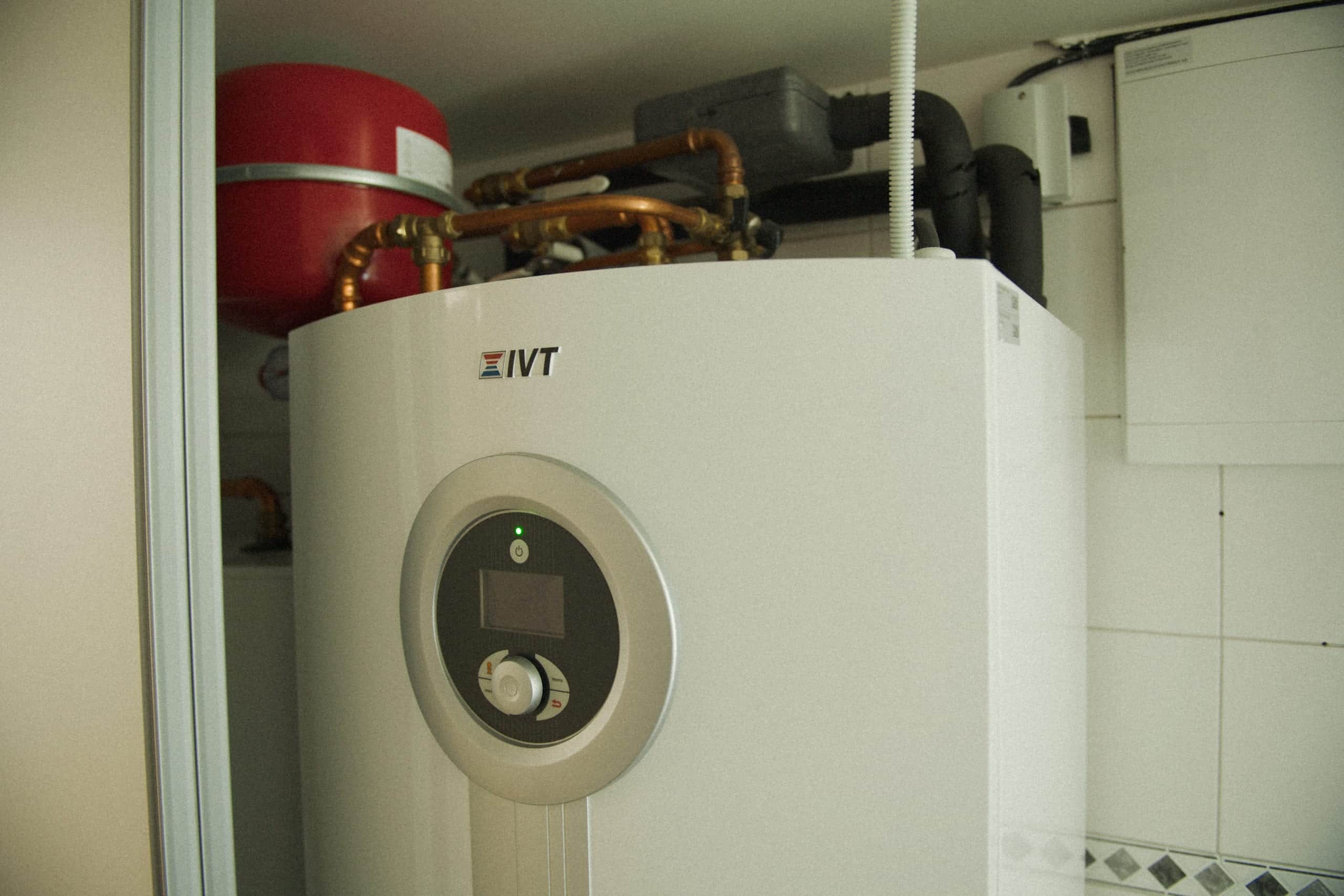
A heat pump that's too big for the house costs more to buy and runs in short bursts that wear on the compressor. One that's too small can't keep up with the coldest days of the year and has to lean on an expensive backup heater. The right size follows the house's heat demand, and that's why the energy analysis comes before the choice of pump.
Below we cover what happens when the pump is too big, what happens when it's too small, what the house's heat demand actually means, and why the analysis decides instead of a rule of thumb.
What happens if the heat pump is too big?
It reaches the right temperature quickly and shuts off, starts again, shuts off. That rhythm is called short cycling, and every start wears on the compressor, the pump's most expensive part. On top of that, you've paid for capacity you rarely use.
Biggest isn't best, it's just most expensive. An oversized pump rarely runs at the steady, low output where a heat pump is at its most efficient. It runs in fits instead, and the fits cost both in wear and in electricity.
What happens if it's too small?
It's enough most days but runs out when it's coldest. Then the backup heater steps in, the plain resistive heat that burns raw electricity straight off without stepping it up the way the heat pump does. On the very days you need the heat most, it becomes the most expensive.
A pump that runs flat out constantly never gets to rest either, and that shows in its lifespan. Undersized capacity looks cheap on the quote and turns expensive on the bill in the February week when it really counts.
What does the house's heat demand mean?
How much energy the house gets through to stay warm on a cold day. The size, the insulation, the windows, how many of you there are and how warm you want it, all of it weighs in. A well-insulated new build and a draughty turn-of-the-century house of the same floor area need different pumps.
It's the demand that sets the size, not the house's square metres on paper. Two houses that look the same size from outside can have entirely different demands, and a pump chosen on floor area instead of demand almost always lands wrong one way or the other.
Why does the energy analysis matter?
So the size matches the demand instead of a guess. Elvy runs an energy analysis of your particular house before anything is installed, and that's what decides which pump goes in. Without the analysis, the sizing is a rule of thumb, and a rule of thumb lands either too high or too low.
The analysis is cheap compared to a pump in the wrong size. Getting the size wrong follows you for fifteen years, in wear, in backup heat or in capacity you paid for and never needed. It's easier to get the sum right once than to live with the mistake every winter.
How does Elvy pick the size for you?
You don't have to work it out. When Elvy owns the system, the sizing sits with Elvy, and a pump in the right size is as much Elvy's interest as yours, because Elvy owns the electricity and runs the system. If the pump turns out to be wrongly chosen, it's Elvy's job to sort it, at no extra cost. Your part is a signature.
Elvy is available today for villas and houses across Sweden, but not yet for flats. The price is set individually from the energy analysis, because a list price would just be a guess, exactly like a size chosen without the analysis. If you want to know which pump your house needs, the analysis has the answer, not this article.
Keep reading More to explore
- Heat pump
What does a heat pump really cost? The 15-year total
The purchase price is the smallest part. Over 15 years the cost is installation, service, repairs and above all electricity. It's the biggest, worst at the end.
- Heat pump
What are COP and SCOP? How to read a heat pump's spec
COP and SCOP measure a heat pump's efficiency. COP is heat per unit of power now, COP 3 gives three parts heat per part power. SCOP is the season average.
- Heat pump
What does a new heat pump cost per month?
A new heat pump rarely costs what you think. Often more than you budgeted for. Here we break down the real monthly cost, whatever way you finance the switch.

0+
Homeowners no longer manage their own power and heat. They decided they had better things to do.
Curious to do the same?