Solar panels last for decades. The inverter doesn't
The panels last for decades, the inverter doesn't. Own it and the replacement is yours. With an energy subscription Elvy carries the wear and the swap.
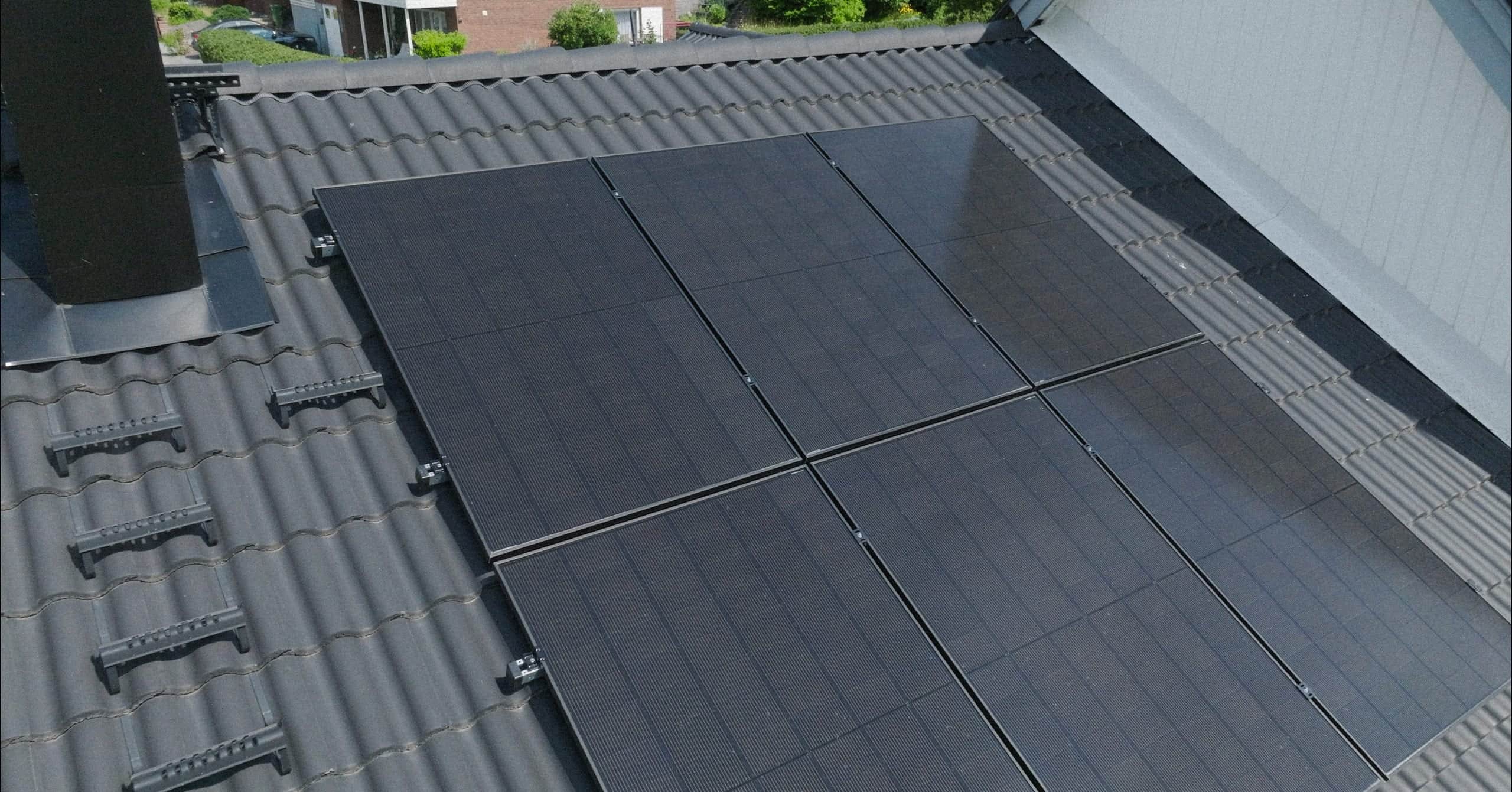
Solar panels last for decades and lose power only slowly. The inverter, the system's brain, doesn't. It wears out faster and gets replaced at some point in the panels' lifetime. If you own the system, that replacement lands on you. With an energy subscription the wear and the swap are Elvy's job, not yours.
That makes lifespan the wrong question. The panels are rarely the problem, it's the parts around them and who pays when they wear out. Below we cover how long the parts actually last, why the inverter is the weak link, what happens as the output slowly drops, and who carries the replacement depending on how you got the system.
How long do solar panels last?
A long time. A solar panel is glass, silicon and a frame, with no moving parts to break. It sits on the roof and does its job for decades, and the manufacturers' warranties on the output run far into the future. The panel is rarely the thing that gives up first in a solar system.
What wears out is usually not the panel itself but the electronics around it and the mounting to the roof. The panels may well outlast the roof they sit on. So the question isn't whether the panels last, but whether everything else does.
Why is the inverter the weak link?
Because it works all the time. The inverter turns the panels' direct current into alternating current the house can use, and it runs every hour the sun is up. It's full of electronics, and electronics age faster than glass and silicon. So the inverter typically gets replaced at some point in the panels' lifetime, while the panels stay put.
That's the detail most calculations forget. A solar system is often written off as if it were maintenance-free for decades, but the inverter is a component that will very likely need replacing at least once. Who that cost lands on depends on how you got the system.
What happens as the panels age?
They lose output, but slowly. A panel produces a little less with each passing year, and the drop is faint enough that you won't notice it from one season to the next. After many years it still delivers a large share of what it did when new. It's a slow taper, not a cliff.
So ageing is less about the panels stopping and more about them doing a little less over time. It's baked into what you can expect from a system, and a wholly different thing from an inverter that one day just stops.
Who pays when something wears out?
If you own the system: you. You keep track of the warranties, book service when something plays up, and pay for a new inverter when the old one gives up. Look after it well and the system lasts a long time, but both the work and the bill are yours.
If you've leased it or taken out a subscription, the technology risk sits somewhere else. You pay for the energy to work, not to cover the spare parts. The difference doesn't show in year one, when everything is new. It shows the day the inverter wears out.
What does Elvy cover under the subscription?
The wear. Elvy owns the system, so when the inverter needs replacing or something breaks, it's Elvy's job to fix it at no extra cost. You pay the same fixed amount a month whatever happens to the hardware on the roof. No unexpected repair bill, no hunt for a service technician.
The price stays fixed for 15 years and is adjusted once a year by the consumer price index, never by a broken component. Your part when something wears out is the same as the rest of the time: none.
Does a subscription hold all the way?
That's the whole point of not owning. With a subscription it's Elvy's job to keep the system running through the entire contract, not just while it's new. You never need to know when the inverter was replaced or how much the panels have dropped. You just notice that the electricity and heat work, as usual.
Elvy is available today for villas and houses across Sweden, but not yet for flats. What a subscription comes to for your particular roof is set from an energy analysis of the house, not from a list price. The lifespan of the parts is ours to reckon with. Yours is to forget about them.
Keep reading More to explore
- Solar
Buy solar panels or take out an energy subscription?
Buy solar panels to own the system and take the upside, plus the wear and risk. If you just want a predictable bill, an energy subscription fits.
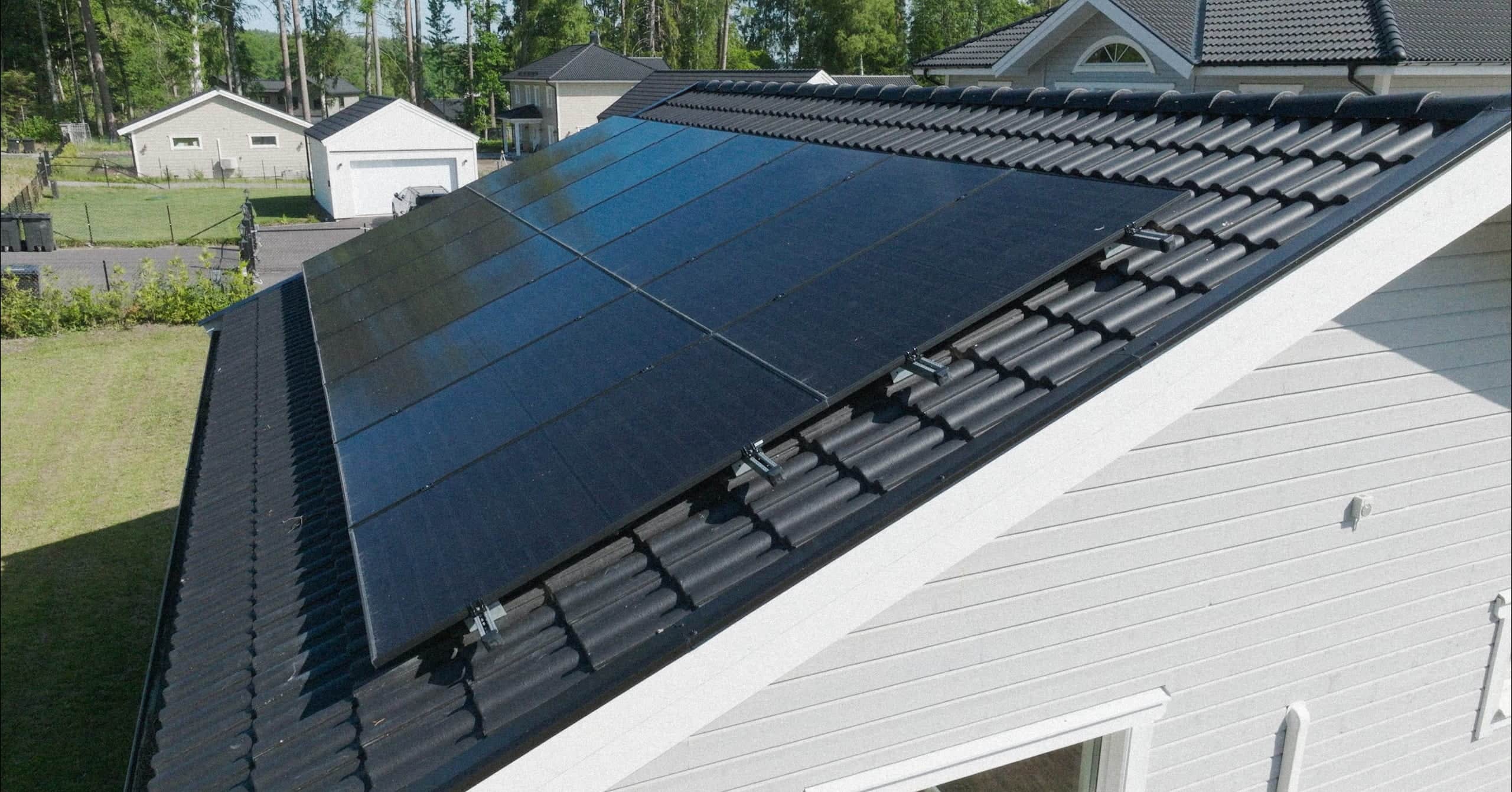
- Solar
Do solar panels work in winter in Sweden?
Yes, solar panels work in winter, but make much less electricity. The cold isn't the problem, it's the daylight. Solar is judged over the year, not December.
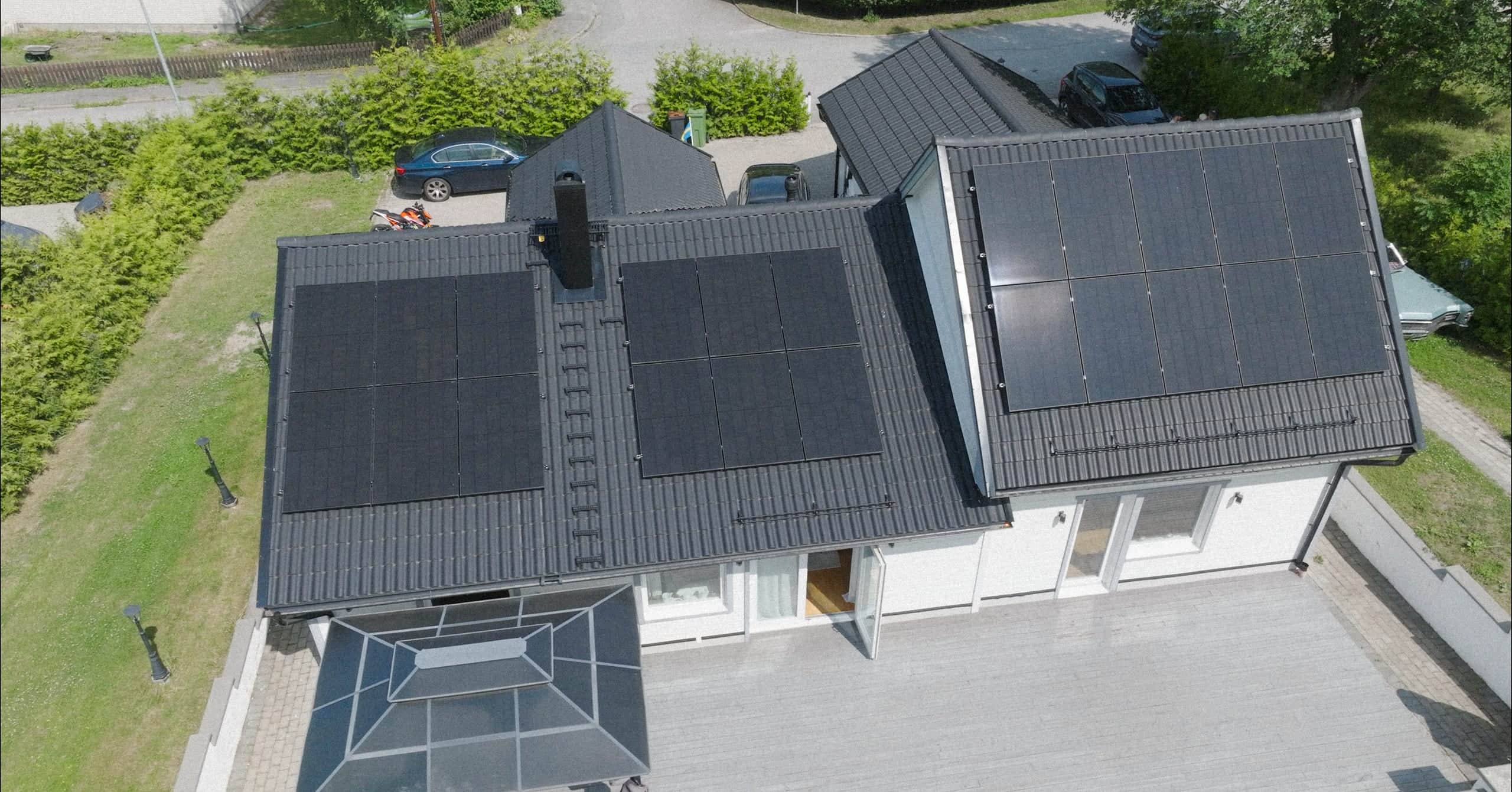
- Solar
How many solar panels does my house need?
How many solar panels a house needs is measured in kilowatts and depends on the roof, your usage and self-use. The right number comes from an analysis.
0+
Homeowners no longer manage their own power and heat. They decided they had better things to do.
Curious to do the same?